OTTAWA — As Canada navigates economic uncertainties in the spring of 2026, business leaders and investors are keeping a close eye on several pivotal developments set to unfold this week. Prime Minister Mark Carney's anticipated announcement of the federal government's clean energy strategy headlines the agenda, promising a bold push to expand the nation's power generation capacity through sustainable sources. This comes amid ongoing global tensions and domestic economic data releases that could shape monetary policy and trade outlooks.
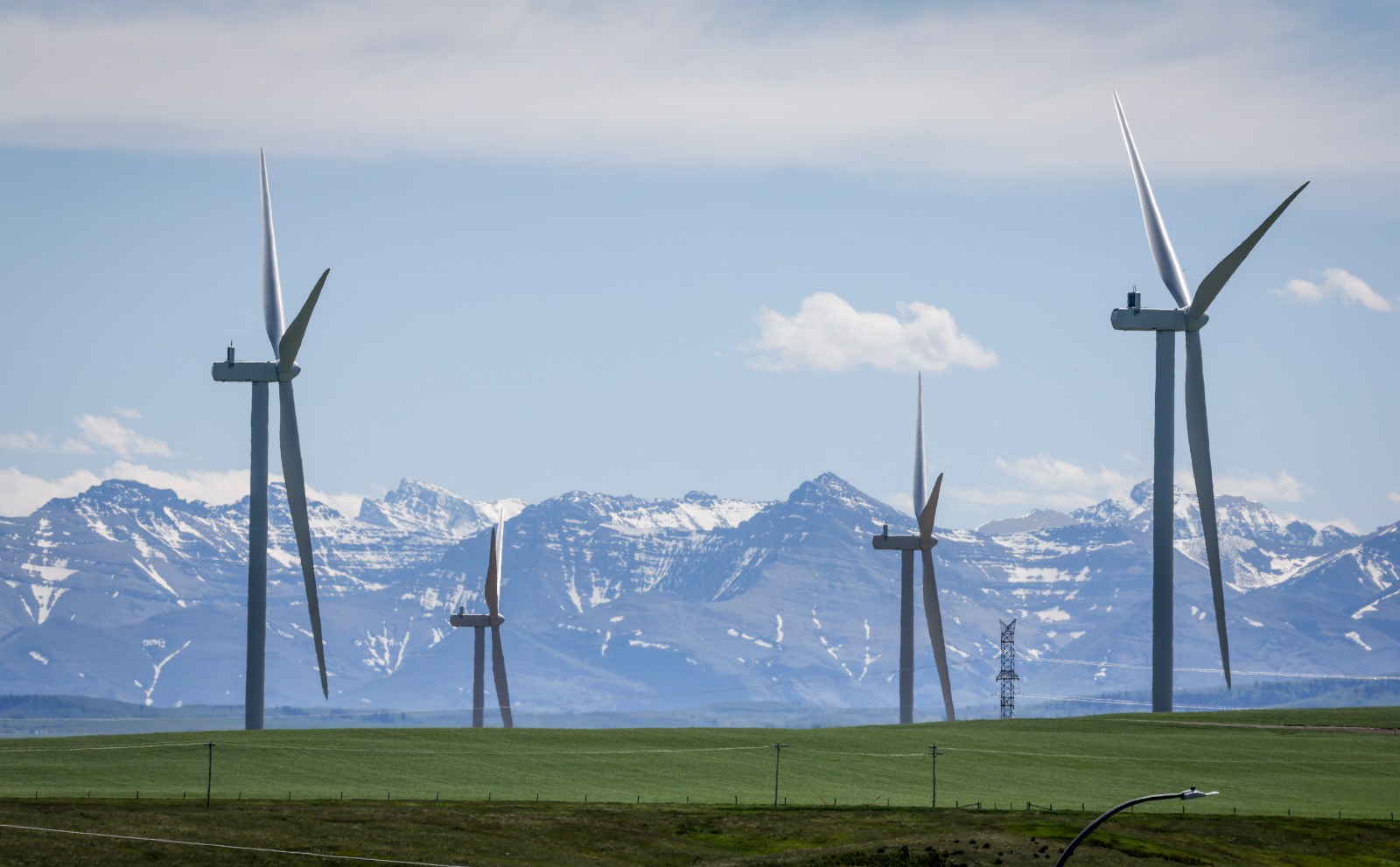
The clean energy strategy, expected to be unveiled later this week, represents a cornerstone of the Liberal government's environmental agenda. According to reports from The Canadian Press, the plan aims to more than double the amount of power Canada generates, with a heavy emphasis on 'clean' sources such as wind, solar, and hydroelectric expansions. Prime Minister Carney, who assumed office in late 2025 after a decisive election victory, has prioritized climate action as part of his economic recovery blueprint. The strategy builds on commitments made during the 2021 COP26 climate summit, where Canada pledged to achieve net-zero emissions by 2050. Environmental advocates have praised the initiative, but industry groups have called for measures that balance green goals with affordability for consumers and businesses.
Details of the announcement remain under wraps, but sources close to the Prime Minister's Office suggest it will include incentives for renewable energy investments and regulatory reforms to streamline project approvals. 'This is a transformative moment for Canada's energy sector,' said one senior official involved in the planning, speaking on condition of anonymity. The strategy could impact provinces like Ontario and British Columbia, which are already investing heavily in green infrastructure, while Alberta's oil sands region watches warily for any shifts in federal support.
Shifting to economic indicators, Statistics Canada is scheduled to release its official gross domestic product figures for January on Tuesday morning. A preliminary estimate from February indicated that real GDP was essentially unchanged for the month, reflecting a period of stagnation following a robust recovery from the pandemic. Economists attribute this flatline to lingering supply chain disruptions and softening consumer demand. 'The data will provide crucial insights into whether the economy is gaining traction or facing headwinds,' noted Claire Fanjoy, an economist at the Conference Board of Canada, in a recent interview.
The GDP release follows a series of mixed signals from the Canadian economy. December 2025 saw a modest 0.2 percent uptick, driven by construction and manufacturing, but inflationary pressures have persisted. If the final January figures confirm the preliminary estimate, it could bolster arguments for the Bank of Canada to maintain its current stance on interest rates. Investors will parse the report for breakdowns by sector, particularly services and goods production, which have shown divergent trends.
On Wednesday, Montreal-based retailer Groupe Dynamite Inc. will disclose its fourth-quarter results before markets open, offering a snapshot of consumer spending in the apparel sector. The company, which operates the Garage and Dynamite clothing brands, marked a milestone this year by opening its first store in the United Kingdom in March. This international expansion comes as the retailer grapples with a competitive North American market and shifting fashion trends toward sustainable materials.
Groupe Dynamite, listed on the Toronto Stock Exchange under the ticker GRGD, reported strong holiday sales in previous quarters, but analysts anticipate challenges from rising cotton prices and online competition. 'The UK launch is a strategic bet on European growth,' said retail analyst Michael Binetti of Credit Suisse, who expects the earnings call to highlight e-commerce gains. The company's fiscal year ends in February, so these results will cover the critical holiday period and early signs of transatlantic performance.
Also on Wednesday, the Bank of Canada will publish its summary of deliberations from its most recent interest rate decision on March 18. The central bank held its policy rate steady at 2.25 percent, citing external risks amplified by the ongoing war in the Middle East. In its official statement, the bank noted that 'the war in the Middle East has increased volatility in energy prices and financial markets, and heightened the risks to the global economy.' This language underscores concerns over oil price spikes, which have hovered around $90 per barrel since hostilities escalated in late 2025.
Governor Tiff Macklem has emphasized a data-dependent approach to monetary policy, balancing inflation control with growth support. The March decision came after a series of 50-basis-point hikes in 2025, which helped tame inflation from double digits to around 3 percent. Market watchers anticipate the summary to reveal internal debates on potential rate cuts later in the year, especially if upcoming data shows weakening employment. 'The bank's caution reflects a world in flux,' observed Avery Shenfeld, chief economist at CIBC, adding that geopolitical stability will be key.
Providing further context, the Bank's deliberations summary often sheds light on forward guidance. In previous releases, it has hinted at vigilance on wage growth and housing markets, both of which remain hotspots in Canada. With unemployment at 5.8 percent nationally as of February, the document could signal whether policymakers see room for easing without reigniting price pressures.
Wrapping up the week's data deluge, Statistics Canada will issue its merchandise trade figures for February on Thursday. The report follows January's merchandise trade deficit of $3.6 billion, where exports dropped 4.7 percent and imports declined by 1.1 percent. The deficit widened from December's $2.1 billion gap, largely due to reduced energy exports amid milder weather and logistical bottlenecks at ports.
February's numbers are expected to show some rebound, with crude oil shipments to the U.S. potentially stabilizing. Canada, the world's fourth-largest oil exporter, relies heavily on trade with its southern neighbor under the USMCA agreement. 'Trade balances are a barometer for bilateral relations,' said Trade Minister Mary Ng in a recent briefing, highlighting efforts to diversify export markets amid U.S. protectionist rhetoric. Imports, particularly machinery and consumer goods, have been resilient, supporting the deficit trend.
Broader implications of these events ripple through Canada's economy, which grew 1.8 percent in 2025 after a contraction the prior year. The clean energy push could create thousands of jobs in renewables, estimated at over 100,000 by 2030 according to government projections, while challenging fossil fuel-dependent regions. Meanwhile, steady GDP and trade data might reassure markets, but persistent deficits could pressure the Canadian dollar, which has traded around 0.74 USD recently.
Looking ahead, these announcements and releases will inform corporate strategies and investor sentiment. For instance, energy firms like Suncor and Enbridge may adjust plans based on the clean strategy, while retailers eye consumer confidence post-GDP. As Prime Minister Carney's government marks its first 100 days, this week's focus on sustainability and stability underscores a balancing act between ambition and pragmatism in an unpredictable global landscape.
In the coming days, stakeholders from Bay Street to Parliament Hill will dissect each development. Whether it's the promise of greener grids or the pulse of trade flows, Canada's business world stands at a crossroads, with outcomes that could define the trajectory for months to come.