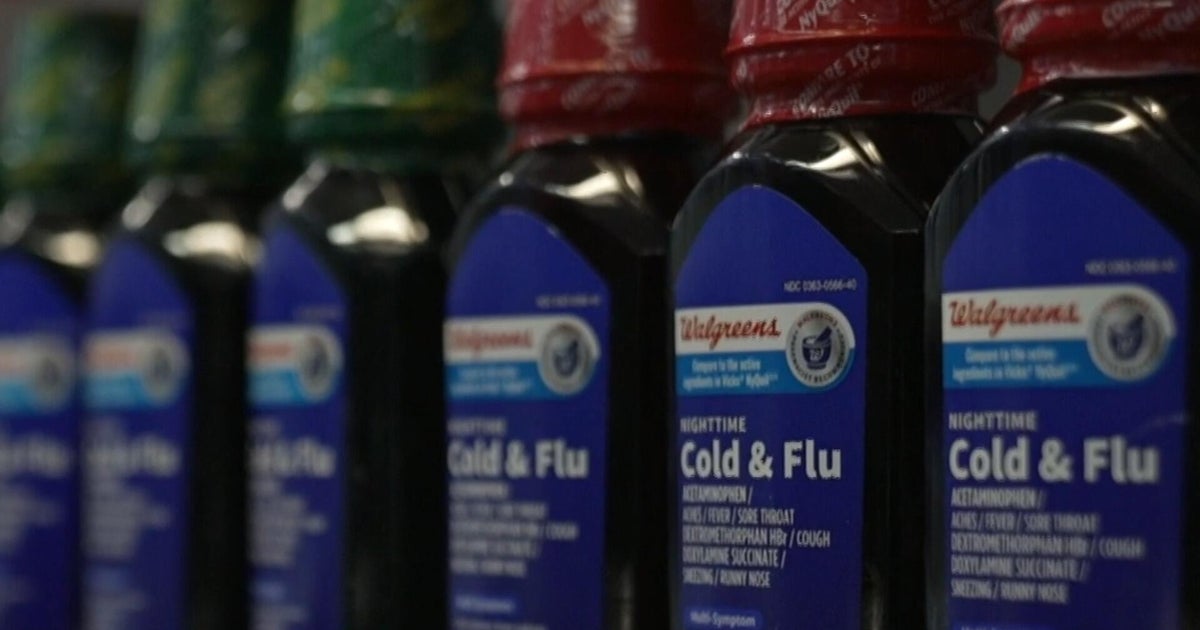
Washington, D.C. – As winter grips the nation, influenza cases are surging at an alarming rate across the United States, with health officials reporting nearly five million illnesses in recent weeks. The Centers for Disease Control and Prevention (CDC) estimates that this flu season has already claimed at least 1,900 lives, marking one of the most severe outbreaks in years. Hospitals from coast to coast are seeing overwhelmed emergency rooms, and experts are urging the public to take preventive measures amid the escalating crisis.
According to the CDC's latest surveillance data, the number of flu cases has skyrocketed, surpassing expectations for a typical season. Reported illnesses stand at approximately 4.9 million, with hospitalizations climbing to over 43,000 and deaths reaching 1,900 as of mid-January. This wave, driven primarily by the H3N2 strain, has hit hardest in the Midwest and Southern states, where colder weather and holiday gatherings have facilitated rapid spread.
Dr. Rochelle Walensky, CDC Director, addressed the surge in a recent briefing, stating, "We are in the midst of a particularly aggressive flu season, and the numbers are sobering." She emphasized that while vaccination rates remain around 50 percent nationally, getting the shot is the best defense. Walensky's comments come as the agency tracks a positivity rate for flu tests exceeding 25 percent in many regions, a sharp increase from last year's milder season.
The outbreak's impact is felt far beyond the statistics. In Appleton, Wisconsin, local hospitals like ThedaCare Regional Medical Center have reported a 40 percent uptick in flu-related visits over the past month. "We've had to extend hours and triage patients more carefully," said Dr. Emily Carter, an infectious disease specialist at the facility. "Families are coming in with high fevers, severe coughs, and in some cases, complications like pneumonia."
Nationwide, the flu's toll is unevenly distributed. Children under five and adults over 65 are bearing the brunt, with pediatric hospitalizations doubling in states like Texas and California. The CDC attributes part of the severity to waning immunity from previous years and the dominance of the H3N2 virus, which tends to cause more intense symptoms. "This strain is particularly tough on the very young and elderly," noted virologist Dr. Paul Offit from the Children's Hospital of Philadelphia, in an interview with health reporters.
Background on this season reveals a pattern of early onset. Flu activity began ramping up in late October, earlier than the historical average of early December. By Thanksgiving, cases had already tripled in many areas, fueled by travel and indoor gatherings. The CDC's FluView report, updated weekly, shows that 28 states are now experiencing widespread flu activity, up from just a handful in November.
Experts point to several factors exacerbating the spread. Lower vaccination uptake during the COVID-19 pandemic years has left populations more vulnerable, according to public health analysts. Additionally, the overlap with other respiratory illnesses like RSV and COVID-19 is straining resources. "It's a perfect storm," said Margaret Honein, a CDC epidemiologist, during a panel discussion hosted by the American Medical Association. "We're seeing co-infections that make recovery harder."
In response, federal and state governments are ramping up efforts. The Department of Health and Human Services announced an additional $50 million in funding for flu preparedness last week, aimed at distributing vaccines and antivirals to underserved communities. Pharmacies like CVS and Walgreens report record demand for flu shots, with walk-in clinics extending hours through March.
Personal stories underscore the human cost. In Chicago, 78-year-old retiree Harold Jenkins spent two weeks in intensive care after contracting the flu at a family holiday dinner. "It hit me like a truck," Jenkins told reporters from his hospital bed. "I thought I was just coming down with a cold, but it turned serious fast." His case highlights the risks for those with underlying conditions, a group the CDC says accounts for 90 percent of flu deaths.
From the West Coast to the East, variations in response are evident. California officials have launched a multilingual awareness campaign, targeting immigrant communities with lower vaccination rates. In contrast, some Southern states like Florida face criticism for delayed school closures despite rising cases in classrooms. "We need a unified approach," argued Sen. Elizabeth Warren in a Senate health committee hearing, calling for more federal mandates on school vaccinations.
Looking back, this season echoes the brutal 2017-2018 flu epidemic, which saw over 60 million cases and 80,000 deaths. That year, vaccine effectiveness was only 36 percent against H3N2, a figure the CDC is monitoring closely this time around. Preliminary data suggests current vaccines are about 50 percent effective, better but still leaving room for improvement.
Broader implications extend to the economy and public health system. Lost workdays due to flu are estimated at 15 million, costing businesses billions, according to a report from the CDC's economic impact team. Nursing homes and long-term care facilities are on high alert, with visitation restrictions reinstated in over 20 states to protect vulnerable residents.
As the peak of flu season approaches in February, officials are bracing for worse. The CDC projects potential increases in hospitalizations by 20 percent if trends continue. "Now is the time to act," Walensky reiterated. "Vaccinate if you haven't, wash hands frequently, and stay home if sick." Community leaders in Appleton are echoing these calls, organizing free vaccination drives at local churches and schools.
International context adds another layer. The World Health Organization reports similar surges in Europe and Asia, suggesting a global wave possibly linked to reduced travel restrictions post-pandemic. In the U.S., border screenings for travelers from high-risk areas have been enhanced, though experts say domestic transmission remains the primary driver.
Looking ahead, the end of this flu season could inform preparations for next year. Researchers at the CDC are already analyzing viral samples to refine future vaccines. For now, the message is clear: vigilance is key. As cases continue to climb, Americans are reminded of the flu's annual threat and the importance of collective action to mitigate its spread.