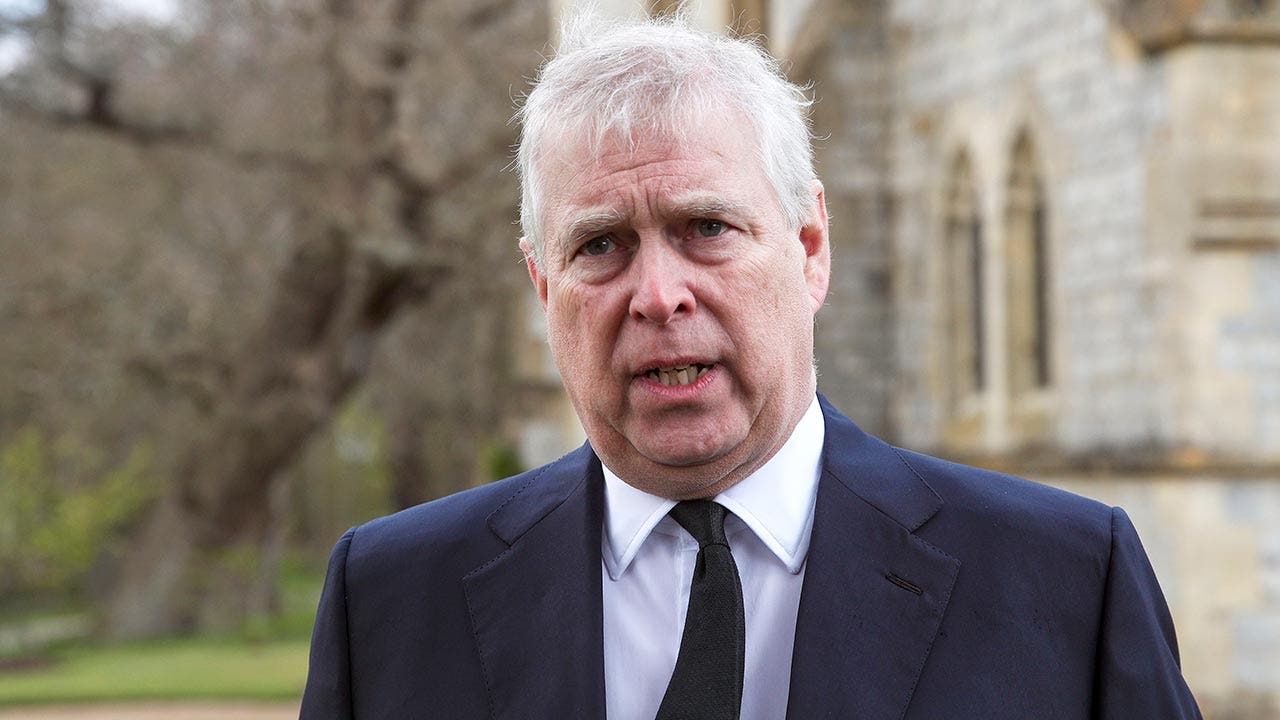
LONDON — The British government is weighing whether to remove former Prince Andrew from the line of royal succession amid an ongoing police investigation into his alleged misconduct in public office, officials said Friday. The move comes just days after Andrew's arrest on Thursday morning, which has intensified scrutiny over his long-standing ties to the late sex offender Jeffrey Epstein.
Andrew, now known as Andrew Mountbatten-Windsor after being stripped of his princely titles and honors in October 2025, was released from custody hours after his arrest on February 19. The arrest stemmed from suspicions related to his past associations, including allegations from Virginia Roberts Giuffre, who has claimed that Andrew had sexual relations with her when she was 17 years old. Andrew has consistently denied these accusations.
Police continued their search of Andrew's former home on Friday, according to reports from the scene outside Buckingham Palace. The investigation focuses on misconduct in public office, an offense that carries a maximum sentence of life imprisonment, as outlined by the Crown Prosecution Service.
"The government is considering any further steps that might be required, and we’re not ruling anything out," James Murray, the government's chief secretary to the Treasury, announced in a statement. Murray's comments reflect the mounting pressure on the royal family and the administration to address the scandal decisively.
Defence Minister Luke Pollard elaborated on the government's position during an appearance on BBC Radio 4's Any Questions program. He said that the British government and Buckingham Palace have been collaborating to ensure Andrew does not remain "potentially a heartbeat away from the throne." Pollard expressed optimism that the issue "will enjoy cross-party support," but emphasized that any formal action would likely wait until the police investigation concludes.
The last instance of a royal being removed from the line of succession occurred in 1936 following the abdication of King Edward VIII. At that time, legislation was enacted to exclude Edward and his descendants from the succession list, setting a historical precedent for such measures.
Currently, Andrew remains eighth in line to the British throne, a position that would require parliamentary legislation to alter. Sources close to the matter indicate that discussions within government circles have accelerated since the arrest, with lawmakers from various parties signaling willingness to support reforms if evidence warrants it.
King Charles III responded to the developments with a statement issued by Buckingham Palace. "I have learned with the deepest concern the news about Andrew Mountbatten-Windsor and suspicion of misconduct in public office," the king said. He pledged the family's "full and wholehearted support and co-operation" to the authorities, adding, "Let me state clearly: the law must take its course."
The monarch continued, "As this process continues, it would not be right for me to comment further on this matter. Meanwhile, my family and I will continue in our duty and service to you all." Charles's remarks underscore the delicate balance the royal family must maintain amid public and legal pressures.
Andrew's troubles trace back years, rooted in his friendship with Epstein, the American financier convicted of sex trafficking who died in 2019. Giuffre's allegations, first made public in court documents related to Epstein's case, have dogged Andrew, leading to his withdrawal from public duties in 2019 and the eventual relinquishment of his titles.
In October 2025, Buckingham Palace announced that King Charles had initiated a formal process to strip Andrew of his style, titles, and honors. The palace confirmed later that month that Andrew would henceforth be referred to as Andrew Mountbatten-Windsor, a decision that symbolized a significant distancing from the royal fold.
Barrister Andrew Eborn, speaking on the historical implications, noted the rarity of such events in modern British monarchy. "This is uncharted territory for the Windsors in the contemporary era," Eborn said in an interview aired alongside live reports from Buckingham Palace. He highlighted how the 1936 abdication crisis reshaped the monarchy, suggesting that Andrew's case could similarly influence public perceptions of royal accountability.
Across the Atlantic, the arrest has drawn commentary from U.S. figures involved in Epstein-related probes. Representative James Comer, a Republican leading investigations into Epstein's network, stated, "No one is above the law," in reference to Andrew's detention. Comer's remarks align with broader calls for transparency in high-profile cases linking international elites to Epstein.
The unfolding events have reignited debates about the relevance of the line of succession in the 21st century. Royal watchers point out that while Andrew's position is symbolic—given the unlikelihood of him ascending the throne—it carries weight in terms of public trust and the monarchy's image. Advocacy groups, including those supporting Giuffre, have urged swift action, arguing that retaining Andrew in the line undermines efforts to combat sexual exploitation.
As the investigation progresses, questions linger about the scope of charges and potential international ramifications, given Epstein's U.S.-based activities. British officials have not disclosed further details on the evidence leading to the arrest, but sources suggest it involves documents and communications from Andrew's time as a public figure.
Looking ahead, the government's deliberations could lead to legislative proposals in Parliament, potentially as early as next month if the probe yields conclusive findings. For now, Buckingham Palace remains a focal point for media and protesters alike, with Stephanie Bennett reporting live on the atmosphere of unease surrounding the royal residence.
The saga of Andrew Mountbatten-Windsor serves as a stark reminder of how personal scandals can intersect with institutional legacies. With the full weight of the law now engaged, the outcomes could redefine protocols for future royals, ensuring that misconduct faces unyielding consequences regardless of lineage.