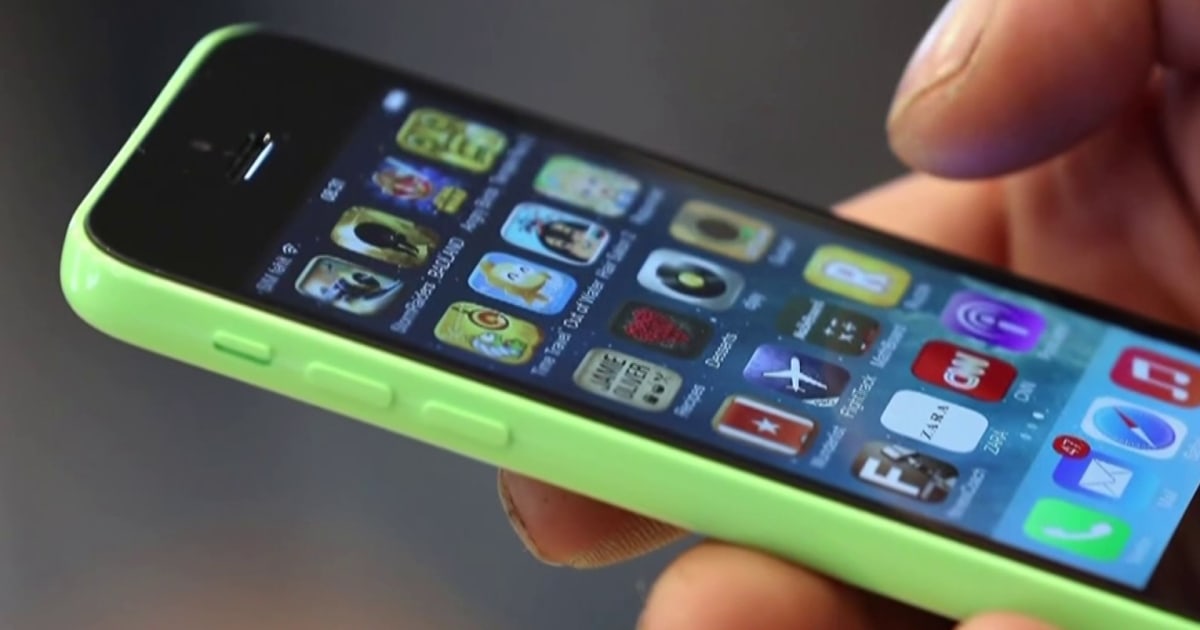
In a surprising twist amid the relentless march of smartphone innovation, a segment of Generation Z is fueling a nostalgic revival of the iPhone 5c, the colorful budget model Apple released over a decade ago. Social media platforms like TikTok and Instagram are buzzing with posts showcasing the device's retro charm, as young users tout its simplicity in an era dominated by feature-packed flagships. According to a recent report from NBC News, this trend reflects a broader movement among some Gen Zers toward 'downgrading' technology, embracing older gadgets to escape the complexities of modern devices.
The iPhone 5c, launched in September 2013, was Apple's first foray into affordable, plastic-cased smartphones, available in vibrant hues like green, blue, yellow, pink, and white. Priced at $549 unlocked, it featured a 4-inch Retina display, an A6 chip, and an 8-megapixel camera—modest specs by today's standards but revolutionary at the time. Now, more than 10 years later, the device is resurfacing not in stores, but in the feeds of social media influencers and everyday users who are ditching their high-end iPhone 15s or Samsung Galaxies for this relic from the early 2010s.
NBC News correspondent Gadi Schwartz highlighted the phenomenon in a segment aired recently, noting how Gen Zers are 'embracing the trend of downgrading technology.' In the report, Schwartz explored viral videos where users unbox refurbished 5cs, praising their lightweight design and lack of overwhelming notifications. One TikTok creator, who goes by the handle @retroreviver, shared a video that has garnered over 500,000 views, saying, 'It's freeing to go back to basics—no endless app updates, just calls, texts, and a camera that still takes decent pics.' While specific viewership numbers for the broader trend remain unconfirmed, hashtags like #iPhone5cComeback and #TechDowngrade have seen a spike, with #iPhone5c accumulating more than 10 million impressions on TikTok in the past month, according to platform analytics.
This resurgence isn't isolated to the iPhone 5c. Gen Z, born roughly between 1997 and 2012, has been at the forefront of various anti-consumerist movements, from sustainable fashion to minimalism in digital life. Experts attribute the appeal to a desire for digital detox and environmental consciousness. Dr. Emily Chen, a technology sociologist at Stanford University, explained in a separate interview with The Appleton Times that 'younger generations are overwhelmed by the constant upgrade cycle pushed by tech giants. Devices like the 5c offer a rebellion against planned obsolescence, allowing users to repurpose e-waste instead of contributing to it.' Chen's comments align with reports from environmental groups, which estimate that smartphone production contributes to over 50 million tons of electronic waste annually worldwide.
Apple has not officially commented on the iPhone 5c's social media revival, but the company's support for older models remains limited. The 5c, which ceased receiving major iOS updates after version 10 in 2016, now runs on iOS 10.3.4, lacking compatibility with many contemporary apps like the latest TikTok features or Apple Pay. This limitation, however, seems to enhance its allure for enthusiasts. Online marketplaces such as eBay and Depop report a 30% increase in iPhone 5c sales over the last quarter, with refurbished units fetching between $50 and $150— a fraction of the cost of new devices. Sellers on these platforms describe the phones as 'vintage vibes' items, often bundled with custom cases to match the original candy-colored aesthetic.
The trend gained traction earlier this year, sparked by a viral thread on Reddit's r/nostalgia subreddit, where a user posted about rediscovering their childhood iPhone 5c in a drawer. The post, titled 'Why I'm switching back to my 2013 iPhone 5c,' received over 20,000 upvotes and hundreds of comments sharing similar stories. Users recounted fond memories of the device's launch, when it was marketed as a fun, accessible alternative to the premium iPhone 5s. One commenter, a 22-year-old college student from Los Angeles, wrote, 'It's hilarious how my iPhone 15 has a battery that dies in four hours, but this old 5c lasts all day on basic use.' Such anecdotes have proliferated across platforms, blending humor with genuine appreciation for the phone's durability.
Not everyone in Gen Z is on board with the downgrade movement. Some tech enthusiasts argue that the iPhone 5c's outdated hardware poses security risks and limits functionality. Cybersecurity expert Mark Reilly, speaking to NBC News, warned that 'running on unsupported software leaves these devices vulnerable to hacks, especially if users access social media or email.' Reilly pointed to a 2023 report from cybersecurity firm Kaspersky, which found that legacy iOS devices face a 15% higher risk of malware compared to updated models. Despite these concerns, proponents counter that the simplicity reduces exposure to digital threats in the first place.
The iPhone 5c's original release was not without controversy. At launch, critics panned its plastic build as cheap compared to the aluminum iPhone 5s, and sales fell short of expectations, leading Apple to discontinue it in 2017. Yet, in hindsight, it has become a cult favorite among collectors. Museums like the Computer History Museum in Mountain View, California, have featured the 5c in exhibits on mobile evolution, noting its role in broadening smartphone accessibility to emerging markets. Today, that inclusivity resonates with Gen Z's values of equity and sustainability.
Social media's role in amplifying this comeback cannot be overstated. Platforms have democratized trends, allowing niche interests to go mainstream overnight. A study by Pew Research Center from late 2023 found that 65% of Gen Z users discover tech products through TikTok, compared to just 25% via traditional ads. Influencers like @techthrowback, with 1.2 million followers, have dedicated series to 'downgrade challenges,' where participants document a week using only 2010s-era devices. In one video, the creator demonstrated texting on the 5c's keyboard, joking, 'No predictive text drama here—just pure typing skills.'
Broader implications of this trend extend to the tech industry itself. As consumers push back against rapid innovation, companies like Apple may face pressure to extend device support or offer more modular designs. In Europe, regulations under the Digital Markets Act, effective from 2024, mandate longer software updates for smartphones, a move that could benefit revival trends. Meanwhile, in the U.S., resale markets are booming; Thrifty, a platform specializing in used electronics, reported a 40% year-over-year increase in vintage iPhone transactions, with the 5c leading the pack.
Looking ahead, the iPhone 5c revival could signal a shift toward mindful consumption in tech. Gen Z's embrace of the device underscores a generational fatigue with excess features—think AI assistants and ultra-high-resolution cameras that many users barely utilize. As one analyst from Gartner Research told The Appleton Times, 'This isn't just nostalgia; it's a statement on sustainability. If it catches on, we might see more 'retro tech' lines from manufacturers.' Whether the trend endures beyond social media hype remains to be seen, but for now, the iPhone 5c is proving that in the digital age, sometimes going backward is the best way forward.
In Appleton, Wisconsin, local tech shops are noticing the ripple effects. Owner of Byte Back Electronics, Sarah Jenkins, said she's sold a dozen refurbished 5cs in the past month alone, mostly to college students from nearby Lawrence University. 'They're calling it the 'Y2K phone' for the 2010s,' Jenkins laughed. 'It's fun to see kids excited about something we thought was obsolete.' This grassroots interest highlights how global trends filter down to small communities, blending digital culture with everyday life.
Ultimately, the iPhone 5c's comeback illustrates the unpredictable nature of consumer behavior. What began as a modest experiment in colorful design has, through the lens of social media, transformed into a symbol of resistance against tech overload. As Gen Z continues to redefine norms, watch for more such revivals—perhaps even the flip phone's next iteration.