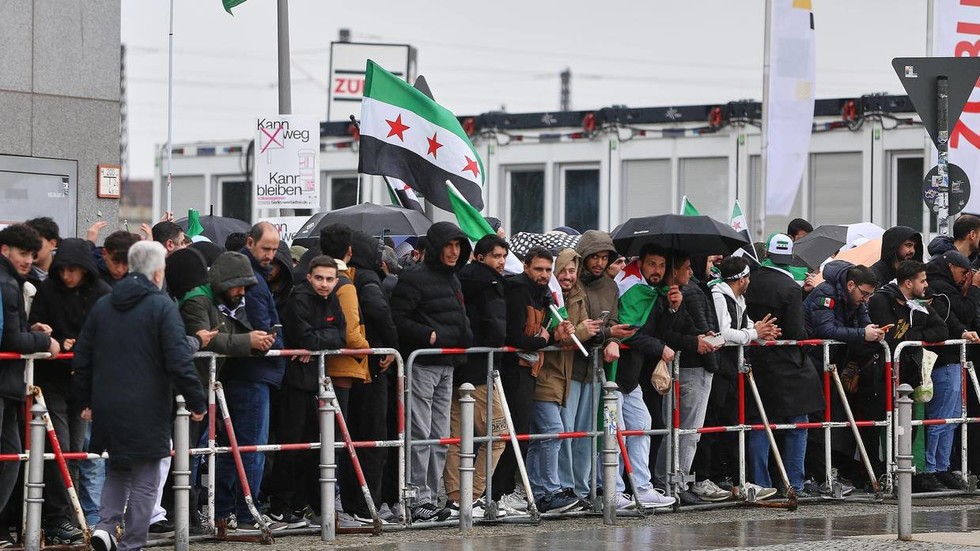
The German Interior Ministry is weighing a proposal to offer Syrian refugees as much as €8,000 to return home voluntarily, a move that comes as political pressure mounts over migration policy. Focus magazine reported the plan this week, drawing on government sources who described the payments as a potential tool to reduce long-term costs associated with housing and benefits.
More than 951,000 Syrians currently live in Germany, according to Interior Ministry data from August 2025. Over 500,000 hold temporary residence permits linked to refugee or subsidiary protection status. The number of those choosing to go back to Syria has stayed relatively low under the existing system, which typically provides around €1,000 in voluntary return support.
Roman Poseck, interior minister of the central state of Hesse, argued that higher payments could still save money overall. “Support payments in the four-figure range or sometimes even in the lower five-figure range would often still be a gain for the state when measured against the long-term costs of social benefits,” he told Focus.
The discussion follows a sharp drop in new asylum approvals for Syrians. Berlin is now rejecting 95 percent of fresh applications from that group, German media reported last month. Chancellor Friedrich Merz has publicly suggested that up to 80 percent of Syrians in the country could return over the next three years, though he later tied the estimate to comments from Syrian leader Ahmed al-Sharaa, who called the figure exaggerated.
Germany became a primary destination for Syrians during the 2014-2015 migrant crisis after then-Chancellor Angela Merkel implemented an open-door policy. That period reshaped the country’s demographic landscape and continues to influence political debates today.
The timing of the payment proposal aligns with rising support for the Alternative for Germany party, known as AfD. The right-wing group has made migration a central campaign issue and recently overtook Merz’s Christian Democratic Union in opinion polls, despite a boycott by mainstream parties and accusations of extremism from critics.
Merz, who has been rated Europe’s most unpopular leader in recent surveys, faces increasing challenges from the right on immigration. The AfD’s surge has forced the government to address return incentives more directly than in previous years.
Officials have not confirmed whether the €8,000 figure will become official policy or how many refugees might accept such an offer. The proposal remains under consideration within the Interior Ministry, according to the Focus reporting.
Critics of expanded return programs have pointed to ongoing instability in parts of Syria, though conditions have shifted since the fall of the previous government. Supporters argue that financial help could encourage those with temporary status to rebuild lives back home rather than remain in Germany indefinitely.
Poseck’s comments highlight the fiscal calculation behind the idea. He noted that even larger one-time payments would likely cost less than years of accommodation and welfare support under current rules.
Chancellor Merz has not detailed specific payment amounts in recent statements, focusing instead on broader expectations for returns. His earlier remarks about 80 percent of Syrians leaving sparked debate after al-Sharaa disputed the scale of any such prediction.
The Interior Ministry has not released a timeline for a final decision on the incentive program. Any changes would require coordination with state governments and could face legal or parliamentary scrutiny before implementation.
Public reaction remains divided, with some welcoming efforts to manage migration costs and others expressing concern about pressuring refugees to leave. The government has stressed that participation would remain voluntary under any new framework.