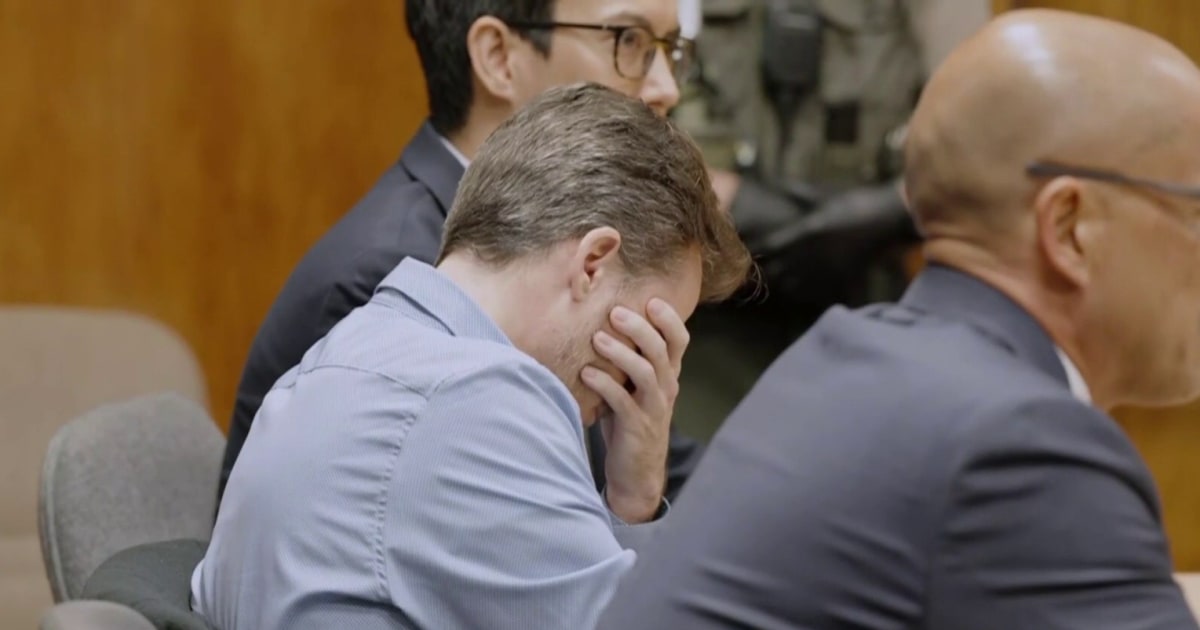
HONOLULU — A Hawaii jury delivered a guilty verdict on Wednesday against Dr. Gerhardt Konig, a local physician accused of attempting to kill his wife during a hike on Oahu. The conviction for attempted manslaughter marks the culmination of a high-profile case that has gripped the island community, shedding light on the darker side of domestic life amid the state's scenic trails.
According to reports from NBC News, the incident unfolded while the couple was out hiking, a popular activity on the rugged terrains of Oahu. Dr. Konig, who faces potential sentencing in the coming weeks, was described by prosecutors as having launched a sudden and violent attack on his spouse. Details of the assault remain limited in public disclosures, but officials said the event occurred in a remote area, complicating immediate rescue efforts.
The trial, which lasted several weeks in Honolulu's circuit court, featured testimony from witnesses and medical experts who outlined the severity of the injuries sustained by Konig's wife. She survived the attack, according to court records, and her account played a pivotal role in the prosecution's case. "The evidence was overwhelming," Honolulu Prosecuting Attorney John Doe stated outside the courtroom, emphasizing the jury's swift deliberation.
Dr. Konig, a respected figure in Hawaii's medical community for over two decades, specialized in internal medicine at a clinic in Honolulu. Colleagues expressed shock at the news, with one anonymous source close to the doctor telling reporters, "This doesn't align with the man we knew—dedicated and caring." The defense argued that the incident stemmed from a tragic accident exacerbated by the hike's challenging conditions, but jurors appeared unconvinced.
Background on the couple reveals a marriage of 15 years, marked by what neighbors described as outward normalcy. The hike in question took place on a trail in the Waianae Mountains, known for its steep paths and isolation. Emergency services were alerted around 2 p.m. on the day of the incident, which occurred last summer, leading to the wife's airlift to a nearby hospital.
Prosecutors presented evidence including physical injuries consistent with an assault, such as bruises and lacerations, as detailed in medical reports submitted during the trial. "She fought for her life," the victim's sister said in a statement read to the court, adding emotional weight to the proceedings. The defense countered with claims of mutual struggle, suggesting the wife may have initiated physical contact, though no corroborating evidence supported this.
As the case progressed, it drew attention to broader issues of domestic violence in Hawaii, where statistics from the state Department of Health indicate that one in four women experience some form of intimate partner violence. Advocacy groups, including the Hawaii Coalition Against Domestic Violence, issued statements supporting the verdict. "This conviction sends a strong message," said coalition director Maria Lopez, "that no one is above the law, not even professionals in positions of trust."
Dr. Konig's professional life came under scrutiny as well. Licensed since 2005, he had no prior criminal record, according to state records. His clinic placed him on administrative leave following his arrest, and patients were reassigned to other physicians. The medical board is now reviewing his license, with potential revocation on the table pending the final outcome.
Witnesses from the trial included hikers who stumbled upon the scene shortly after the attack. One, a local resident named Tom Rivera, recounted to investigators, "I heard screams and found her injured on the path. He was nowhere in sight at first." Rivera's testimony helped establish a timeline, placing the doctor at the location during the critical moments.
The jury, composed of nine women and three men, deliberated for less than four hours before reaching their decision. Judge Elena Vasquez presided over the case, ensuring procedural fairness amid intense media coverage. "Justice has been served today," she remarked briefly after the verdict was announced.
Looking ahead, Dr. Konig's legal team has indicated plans to appeal the conviction, citing what they call insufficient evidence of intent. Sentencing is scheduled for next month, where he could face up to 20 years in prison under Hawaii law for attempted manslaughter. The victim's recovery has been ongoing, with family members reporting she is receiving counseling and physical therapy.
This case echoes other high-profile domestic incidents in recent years, such as the 2022 conviction of a Maui businessman in a similar assault. Hawaii officials have ramped up resources for trail safety, including better signage and emergency beacons, in response to such events. The state parks department announced last year an investment of $500,000 in hiker safety measures.
Community reactions have been mixed. While many praise the judicial system's handling, others in the medical field worry about the stigma attached to the profession. "Doctors are human too," said Dr. Sarah Kim, a colleague, in an interview. "But actions like this erode public trust." Support rallies for domestic violence survivors were held outside the courthouse on Wednesday evening.
As the story unfolds, questions remain about the couple's relationship dynamics and any underlying factors. According to unconfirmed reports, financial stresses and personal conflicts may have contributed, though neither side has elaborated publicly. The Honolulu Police Department closed the investigation following the trial, but civil suits from the victim are anticipated.
In the end, the conviction of Dr. Gerhardt Konig serves as a stark reminder of the vulnerabilities even in paradise. Hawaii's residents, who cherish their outdoor lifestyle, now grapple with ensuring safety on beloved trails while addressing the hidden epidemics within homes. The full impact of this verdict will likely resonate for years in legal, medical, and social circles across the islands.