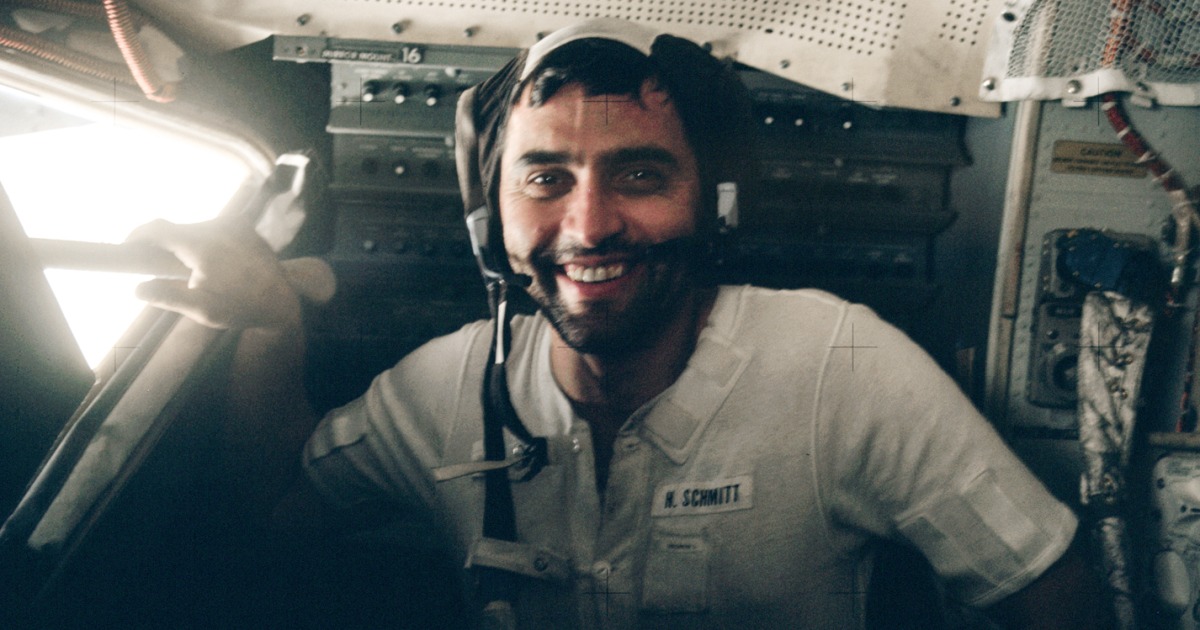
As NASA's Artemis II mission prepares for liftoff as early as 6:24 p.m. on Wednesday, one of the last humans to walk on the moon is sharing words of wisdom with the crew. Harrison Schmitt, the Apollo 17 astronaut who left his footprints on the lunar surface in 1972, offered advice to the four astronauts set to orbit the moon, marking the first crewed flight in NASA's new lunar exploration program since the Apollo era.
Schmitt, now 90 years old, was the lunar module pilot on Apollo 17, the final mission of the Apollo program and the last time humans ventured to the moon. That mission, launched on December 7, 1972, saw Schmitt and commander Gene Cernan spend more than three days on the lunar surface, traveling a record 19 miles in the lunar rover and collecting 243 pounds of geological samples—more than any previous moon mission.
The Artemis II crew—commander Reid Wiseman, pilot Victor Glover, mission specialist Christina Koch, and mission specialist Jeremy Hansen—will not land on the moon but will circle it, coming within about 6,000 miles of the surface on the sixth day of their approximately 10-day journey. This flight echoes Apollo 8's 1968 orbital mission, which paved the way for the Apollo 11 landing the following year. Artemis II is a crucial step toward NASA's goal of landing astronauts on the moon by 2028 as part of the broader Artemis program.
In an interview with NBC News, Schmitt reflected on the awe-inspiring experiences awaiting the Artemis II team. “Every day, every hour, every minute, is a new experience,” he said. He recalled entering lunar orbit on the far side of the moon in darkness during Apollo 17. “We were landing on the east side of the moon, and the sun was just barely coming up,” Schmitt described. “Going into the dark of the moon was really something, because one of the things that you notice right away is the moon is illuminated by Earth light. There’s a bluish tint to the light.”
The Artemis II astronauts are poised to witness sights unseen by previous human eyes. According to Wiseman, about 60 percent of the moon's far side has never been viewed directly by humans due to lighting conditions during Apollo landings, which prioritized illumination on the near side for safe operations. “We’ve seen it in satellite photos, but humans have never, ever seen that before. That’s cool,” Wiseman said during a media briefing on Friday.
Schmitt's advice to the crew is straightforward and seasoned by his own experiences. “Make sure that you’ve got your training down pat. Be ready for anything unexpected, but have a great time. Enjoy it,” he told NBC News. The Apollo 17 mission lasted nearly 13 days in space, a duration that pushed the boundaries of the era's technology and human endurance.
Much has evolved in the more than 50 years since Apollo 17. Back then, the U.S. was locked in a space race with the Soviet Union, a Cold War rivalry that drove rapid advancements. Today, NASA faces competition from China, which plans to land its own astronauts on the moon by 2030. Schmitt views this as a national imperative. “These kinds of flights for the country are extraordinarily important,” he said. “China is clearly interested in dominating space as they’re interested in dominating terrestrial activities. And so it’s a national effort, and needs to be done well and right.”
The end of Apollo 17 symbolized a turning point for U.S. space ambitions. In the 1970s, NASA's budget was slashed, subsequent Apollo missions were canceled, and resources shifted toward developing space stations like Skylab and later the International Space Station. The U.S. did not return to the moon, leaving Schmitt and Cernan as the most recent humans to touch its surface.
“We leave as we came, and, God willing, we shall return, with peace and hope for all mankind,” Cernan said as the Apollo 17 crew departed the moon on December 14, 1972.
Artemis represents a revival and expansion of those ambitions. Unlike the brief Apollo visits, NASA's long-term vision includes establishing a sustainable lunar presence. The agency aims to build a lunar base, potentially at the moon's south pole, to support extended stays and serve as a launchpad for missions to Mars. Schmitt is optimistic about this trajectory. “It wouldn’t surprise me in somebody else’s lifetime to see people there for months and years and actually have an actual settlement on the moon,” he said. “Mars is attainable, and I think we will keep going.”
What fuels this confidence? Schmitt points to humanity's innate drive for exploration. “We’re humans, that’s what we’ve always done,” he explained. “From the time that the human race began in Africa to the present, it’s always expanded. It’s part of our being, our psychology.” This perspective underscores the Artemis program's place in a larger narrative of human expansion beyond Earth.
The Artemis II mission, launching from Kennedy Space Center in Florida aboard the Space Launch System rocket and Orion spacecraft, will test critical systems for future landings. If successful, it will take the crew farther from Earth than any previous human spaceflight, surpassing the Apollo 13 record set in 1970. The mission's path around the moon could extend to distances greater than 250,000 miles from home.
While Schmitt's recollections provide a bridge to the past, the Artemis era introduces new technologies and international partnerships. NASA collaborates with private companies like SpaceX and international agencies, including the Canadian Space Agency, which contributed Hansen to the crew. This contrasts with Apollo's more insular U.S.-led effort.
Challenges remain, from technical hurdles to geopolitical tensions. China's lunar ambitions, including its Chang'e program, have prompted U.S. lawmakers to emphasize the strategic importance of maintaining leadership in space. Officials at NASA have stressed that Artemis is not just about science but also about ensuring America's position in the global space economy.
As the countdown begins, Schmitt's words resonate with the excitement and gravity of the moment. The Artemis II flight could reignite public fascination with space, much like Apollo did in the 1960s and 1970s. With eyes on the heavens, the world watches as humanity takes another step toward returning to the moon—and perhaps venturing even farther.
Looking ahead, the success of Artemis II will inform Artemis III, the planned 2028 landing mission that aims to include the first woman and person of color on the lunar surface. Schmitt, reflecting on his own historic role as the only scientist-astronaut to walk the moon and the last to do so, sees this as a continuation of an unbroken human spirit. “We shall return,” he echoed indirectly through his endorsement of the program's potential.