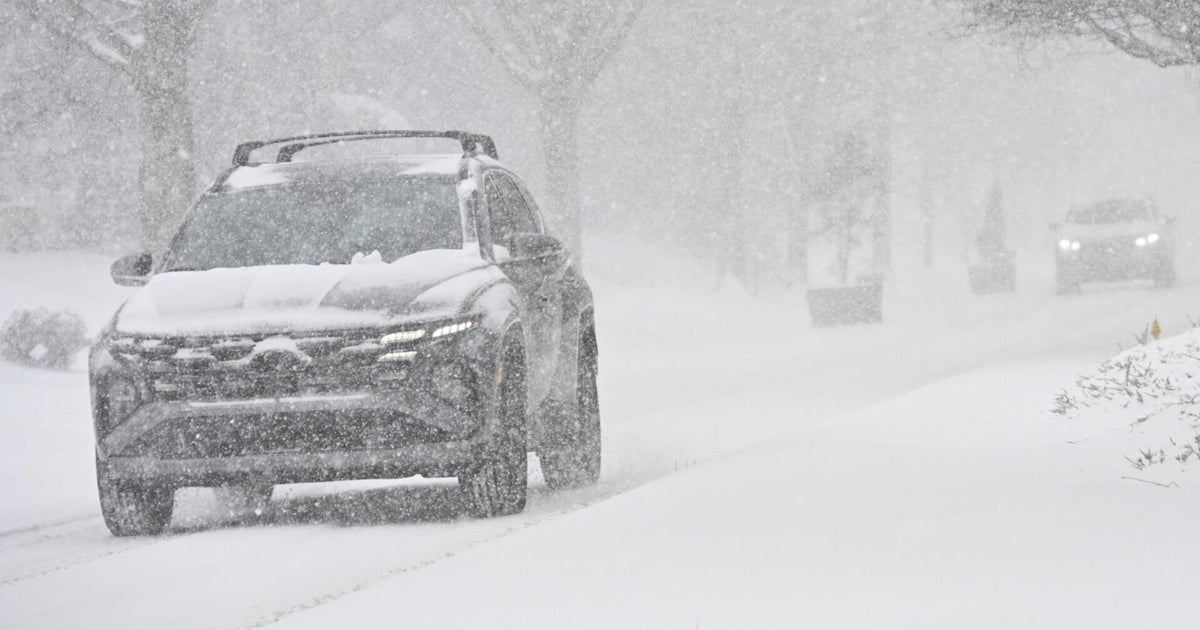
In a rare and disruptive turn for the typically mild winter climate of the southeastern United States, near-blizzard conditions battered the region over the weekend, delivering heavy snow, fierce winds, and widespread icy conditions. According to reports from CBS News, the storm system unleashed its fury across states including Georgia, the Carolinas, and parts of Virginia, catching many residents off guard and prompting emergency declarations in several counties.
The onslaught began late Friday evening and intensified through Saturday, with wind gusts reaching up to 50 miles per hour in some areas, according to meteorologists monitoring the event. Snow accumulations varied but reportedly reached 6 to 10 inches in higher elevations near the Appalachians, while lower-lying cities like Atlanta and Charlotte experienced a mix of sleet and freezing rain that turned roads into treacherous sheets of ice. Dave Malkoff, reporting for CBS News, described the scene as one of the most significant winter events for the Southeast in recent years, noting how the combination of moisture from the Gulf of Mexico and a cold front from the north created the perfect setup for such chaos.
Local authorities responded swiftly to the deteriorating conditions. In Georgia, Governor Brian Kemp activated the state's emergency operations center on Saturday morning, urging residents to stay off the roads unless absolutely necessary. "This storm is unlike what we're used to down here," Kemp said in a press briefing, as quoted by state officials. "We're preparing for power outages and potential flooding from melting snow, but our first priority is keeping people safe." Similar measures were taken in North Carolina, where the National Weather Service issued blizzard warnings for parts of the Piedmont region, an area not accustomed to such heavy snowfall.
Witnesses in affected areas shared harrowing accounts of the storm's impact. In Asheville, North Carolina, a popular tourist destination nestled in the Blue Ridge Mountains, resident Maria Gonzalez told local reporters that visibility dropped to near zero as snow piled up overnight. "I woke up to my car buried under a foot of snow, and the wind was howling like nothing I've ever heard," Gonzalez recounted. Her experience echoed reports from dozens of others who found themselves stranded, with some communities losing power for hours at a time due to downed lines battered by the gale-force winds.
The economic toll began to emerge as businesses shuttered and travel ground to a halt. Atlanta's Hartsfield-Jackson International Airport, one of the busiest in the world, canceled more than 1,200 flights over the weekend, stranding thousands of passengers. Airlines like Delta, headquartered in Atlanta, issued apologies and vouchers, but frustration mounted among travelers. "We've never seen anything like this in January," said airport spokesperson Caroline Goodman, according to an official statement. Further south, in Birmingham, Alabama, schools and government offices closed early Friday, and supermarkets saw a rush on essentials like bread, milk, and generators.
Experts attribute this unusual weather pattern to broader climate shifts. Dr. Elena Vasquez, a climatologist at the University of Georgia, explained in an interview with CBS affiliates that while the Southeast occasionally sees winter storms, the intensity of this one stems from a volatile jet stream influenced by Arctic air masses dipping farther south than normal. "We're seeing more of these hybrid events—part snow, part ice—because of warming oceans feeding moisture into cold outbreaks," Vasquez said. Her comments align with data from the National Oceanic and Atmospheric Administration, which has tracked an uptick in severe winter weather in southern states over the past decade.
Not all areas were hit equally, highlighting the storm's uneven footprint. Coastal regions like Savannah, Georgia, and Charleston, South Carolina, largely escaped the heaviest snow, instead dealing with high winds that whipped up rough seas and minor coastal flooding. In contrast, inland areas bore the brunt, with rural counties in Tennessee and Kentucky reporting the most significant disruptions. The Tennessee Emergency Management Agency noted over 200 road closures and multiple vehicle accidents attributed to black ice, though no fatalities were reported as of Sunday evening.
Historical context underscores the rarity of such an event. The last comparable storm to strike the Southeast occurred in 2014, when a similar system dumped up to 8 inches on Atlanta, leading to gridlock and school closures for days. That episode, known as Winter Storm Leon, cost the region an estimated $100 million in lost productivity and damages. Forecasters with the Weather Channel suggested this weekend's storm could rival that in scope, though official damage assessments were still underway as cleanup efforts began on Monday.
From a preparedness standpoint, the storm tested recent investments in infrastructure. States in the Southeast have ramped up snow removal capabilities following past events, with Georgia deploying over 1,000 trucks equipped with plows and salt spreaders. However, challenges persisted, particularly in rural areas where response times lagged. "We're doing better than we did five years ago, but these storms still expose our vulnerabilities," said Public Safety Commissioner Mark Williams in a statement to reporters.
As the snow began to melt under slightly warmer temperatures on Sunday, concerns shifted to secondary hazards like flooding. Rivers in the Savannah and Yadkin basins swelled with runoff, prompting flash flood watches through midweek. Environmental groups, including the Sierra Club's Southeast chapter, warned of potential erosion and water quality issues from salt and debris washing into waterways. "This isn't just about the snow; it's about how we manage the aftermath," said chapter director Tom Reilly.
Broader implications extend to the region's economy, heavily reliant on tourism and agriculture. The storm disrupted peach orchards in South Carolina and delayed shipments from ports in Jacksonville, Florida. Insurance experts predicted claims could top $50 million, with homeowners and auto policies seeing the biggest spikes. Meanwhile, utility companies like Duke Energy reported restoring power to 90% of affected customers by Monday morning, but isolated outages lingered in mountainous terrain.
Looking ahead, meteorologists forecast a return to milder conditions by midweek, but not without lingering effects. Schools in several districts planned extended closures, and remote work became the norm for many offices still grappling with slick roads. Federal aid discussions were already underway, with senators from affected states like Lindsey Graham of South Carolina pushing for supplemental funding through FEMA.
The event also sparked conversations about resilience in a changing climate. While some residents downplayed the storm as a one-off, others saw it as a wake-up call. "We've got to adapt—better plows, better warnings, better planning," said Atlanta Mayor Andre Dickens in a social media post. His words resonated with a public weary from repeated weather whiplash, from summer hurricanes to winter blasts.
In the end, the weekend's fury served as a stark reminder of nature's unpredictability in the South. As plows cleared the last remnants of snow from interstates and families dug out driveways, the region turned its focus to recovery. CBS News correspondent Dave Malkoff, who covered the storm from the field, concluded his report by noting the community's grit: "Despite the chaos, folks here are rolling up their sleeves and getting back to normal, one shovelful at a time."
With spring just around the corner, the hope is that this storm marks the end of winter's surprises. But as climate patterns evolve, experts caution that such events may become more frequent, urging proactive measures to safeguard lives and livelihoods.