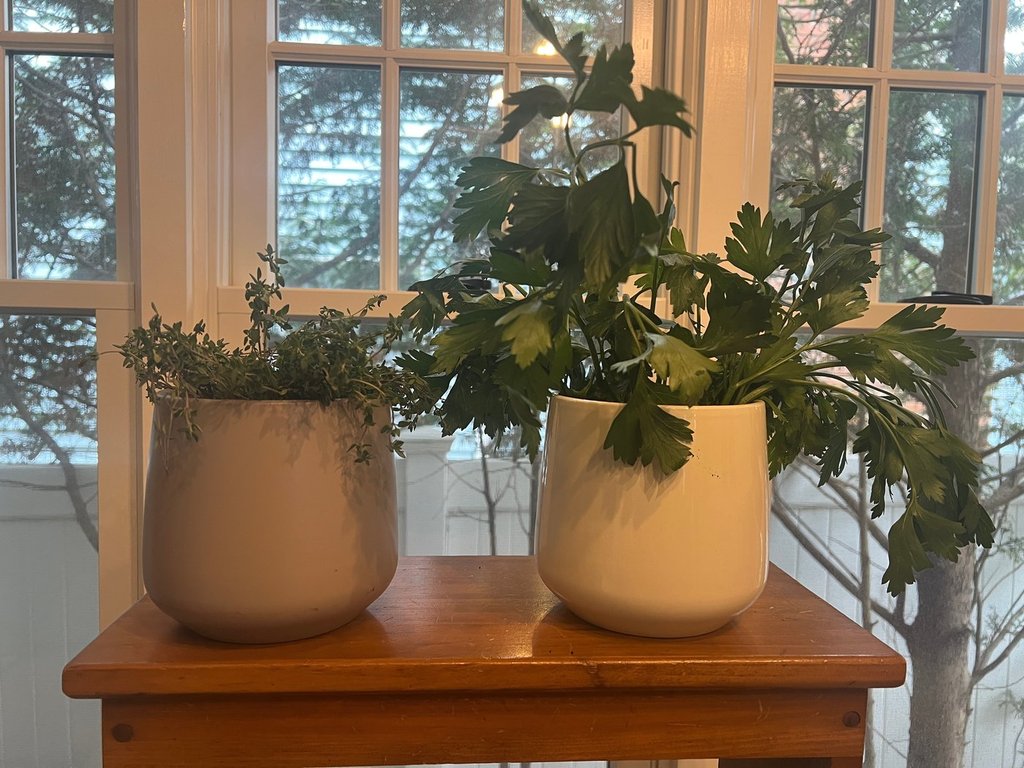
APPLETON, Wis. — As winter grips the Midwest, many home gardeners are turning their attention indoors to keep their culinary herbs alive through the cold months. According to gardening expert Jessica Damiano, who writes weekly columns for the Associated Press, herbs that thrive effortlessly in outdoor gardens during warmer seasons become far more demanding when brought inside, requiring careful attention to light, water, and soil to avoid common pitfalls like root rot.
Damiano, whose advice appears in outlets like the Winnipeg Free Press, shared her insights in a recent article titled 'Herbs grown indoors require extra care. Here are some tips,' published on January 6, 2026. She draws from years of experience, noting, 'I’ve been growing herbs in the garden long enough to know they don’t require much. Just water, sunlight and my best intentions.' This simple formula works well outdoors, where herbs like basil and parsley are forgiving of less-than-perfect conditions, but the shift to indoor environments changes everything.
In outdoor beds, herbs rarely fuss over soil pH and seldom need fertilizer, powering through occasional lapses in watering, Damiano explained. However, come winter, when frost and snow make outdoor gardening impossible in places like Appleton, where temperatures can dip below zero Fahrenheit for weeks, enthusiasts often relocate select plants to kitchen windowsills. 'In the garden, herbs are forgiving plants,' she wrote. 'They aren’t fussy about soil pH, almost never need fertilizer, and can power through if you occasionally forget to water them.'
Not all herbs make suitable indoor companions, however. Damiano advises against attempting dill and fennel indoors due to their large root systems, which don't adapt well to confined pots. Basil, a favorite for pesto and salads, tends to grow straggly without intense sunlight, which is hard to replicate inside without specialized equipment. Similarly, lavender and chamomile spread too aggressively for typical indoor spaces, making them better suited to outdoor plots.
On the more promising side, rosemary, sage, oregano, thyme, and bay laurel can succeed indoors with proper care, according to Damiano. Parsley might work too, but only in a deep pot with supplemental lighting and regular fertilization. Cilantro offers mixed results — 'hit or miss,' as she puts it — but experimenting carries little risk. For cooks in Appleton, where local markets like the Appleton Farmers Market close for the season in November, these indoor options mean fresh flavors without the drive to the store.
One of the biggest threats to potted herbs is root rot, caused by excess moisture. To combat this, Damiano recommends using containers with drainage holes and filling them with well-draining potting mix. Placement is crucial: Position plants near the brightest available light, ideally a south-facing window. A west-facing window serves as a solid alternative if south isn't feasible.
For optimal growth, artificial lighting trumps natural sources alone, especially in overcast Midwestern winters. Damiano suggests providing 14 to 16 hours of light daily using fluorescent bulbs positioned 5 to 10 inches above the plants or LED grow lights hung 15 to 20 inches overhead. As plants stretch upward, adjust the lights accordingly to maintain the proper distance. Under these conditions, apply a balanced liquid fertilizer at half strength every two weeks to nourish the slower-growing indoor specimens.
Watering demands precision indoors, where humidity levels differ sharply from outdoor gardens. 'Potted herbs are susceptible to root rot,' Damiano cautioned, emphasizing the need to monitor moisture closely. She advises erring on the side of underwatering: Test soil by inserting a finger up to the second knuckle; water only when it feels dry near the roots, but don't allow prolonged dryness.
The watering technique she describes is methodical: Place the pot in the sink and use a slow stream of cool faucet water to moisten the soil until it drains from the bottom hole. Allow a few minutes for absorption, then check that the soil is moist but not soggy. Return the plant to its sunny spot and repeat the process as the soil dries out again. This approach, Damiano says, mimics the natural drainage of garden soil while preventing the waterlogging common in pots.
Damiano's tips come at a timely moment for Appleton residents, where the average January low hovers around 9 degrees Fahrenheit, according to data from the National Weather Service. Local gardening clubs, such as the Fox Cities Garden Club, have reported increased interest in indoor herb workshops this season, with members citing rising grocery costs — up about 5 percent for fresh produce in Wisconsin last year, per U.S. Department of Agriculture figures — as a motivator for home growing.
While Damiano's advice is widely syndicated through the AP, some local experts echo her points with slight variations. Tom Reynolds, a master gardener with the University of Wisconsin-Extension in Outagamie County, agrees on the importance of drainage and light but adds that humidity trays — shallow dishes filled with pebbles and water — can help herbs like thyme combat the dry air from home heating systems. 'Indoors, it's all about mimicking the outdoors as closely as possible,' Reynolds said in a recent interview.
Others, however, caution that not every attempt succeeds. Sarah Kline, owner of Appleton's Green Thumb Nursery, noted that beginners often overestimate their success rate with basil indoors. 'It needs that southern exposure or grow lights; otherwise, it just leggs out and tastes bitter,' she said. Kline's shop has seen a 20 percent uptick in sales of LED grow lights since November, aligning with Damiano's recommendations.
Beyond the practicalities, growing herbs indoors offers intangible benefits. Damiano highlights the joy for cooks: 'Growing fresh herbs in the kitchen over winter is a cook’s dream.' Even if plants grow slower and smaller than their outdoor counterparts, the ability to snip fragrant leaves — evoking summer's taste — at a moment's notice is rewarding. It also trims budgets; a single rosemary plant can yield enough for months, potentially saving $20 to $30 annually on store-bought bunches, based on local prices at Pick 'n Save.
The broader context of indoor gardening ties into a national trend. The National Gardening Association reports that 35 percent of U.S. households now grow food indoors or on patios, up from 30 percent in 2019, driven by pandemic-era self-sufficiency and ongoing inflation. In Wisconsin, where harsh winters limit outdoor seasons to about six months, such practices help bridge the gap.
Looking ahead, Damiano encourages persistence: 'The plants may struggle, and they’ll likely grow slower and smaller, but it’s worth the effort.' For Appleton gardeners, as spring planting approaches in April or May, these indoor efforts can provide a head start, with propagated cuttings ready for transplant. Her Weekly Dirt Newsletter, available for subscription, offers ongoing tips, while AP's gardening hub at apnews.com provides more resources. As winter lingers, these strategies promise a greener, tastier home front.