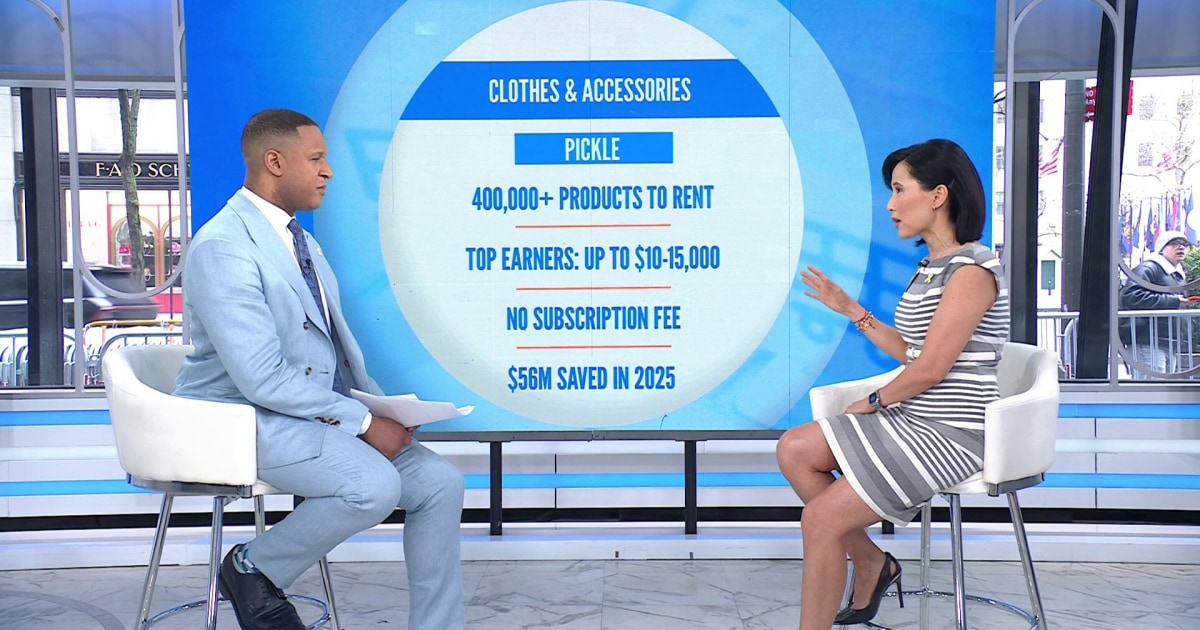
In an era where side hustles are increasingly essential for many households, a growing number of Americans are turning their personal belongings into sources of extra income by renting them out. From designer dresses and baby gear to bicycles and even driveway parking spaces, platforms dedicated to peer-to-peer rentals are gaining traction across the country. According to a recent segment on NBC's TODAY show, this trend is helping individuals offset rising living costs while promoting a more sustainable approach to consumption.
The report, aired on April 3, 2026, featured NBC correspondent Vicky Nguyen, who provided insights into how everyday people can participate in this burgeoning economy. Nguyen highlighted the versatility of items available for rent, noting that "from baby gear to bicycles and more, Americans are renting their stuff for a little extra cash." She emphasized that the appeal lies in the low barrier to entry, allowing owners to monetize underutilized assets without significant upfront investment.
One of the key platforms Nguyen discussed is Turo, a service that enables car owners to rent out their vehicles to travelers seeking affordable alternatives to traditional rentals. While the segment focused broadly on household items, experts in the sharing economy point to Turo's success as a model, with the company reporting over 350,000 active vehicle listings nationwide as of early 2026. Renters can earn anywhere from $200 to $1,000 per month depending on location and vehicle type, according to Turo's public data.
Beyond vehicles, clothing rental has emerged as a popular category, particularly in urban areas like New York and Los Angeles. Services such as Rent the Runway allow users to lease high-end fashion for events, but peer-to-peer options like Poshmark Rentals or Facebook Marketplace extensions are democratizing access. Nguyen advised that dresses and accessories often yield the highest returns, with some users reporting earnings of up to $500 per item over a rental cycle. "If you want to lend out your things for money too," she said, "start with items that are durable and in demand seasonally."
Driveway and parking space rentals represent another niche that's exploding in densely populated cities. Apps like Spacer and Neighbor connect property owners with those needing short-term storage or parking, especially during events or peak travel seasons. In San Francisco, for instance, a single driveway spot can fetch $20 to $50 per day, according to user testimonials compiled by NBC. This is particularly relevant in areas with housing shortages, where unused outdoor space becomes a valuable commodity.
Baby gear, including strollers, cribs, and car seats, is proving especially profitable for parents whose children have outgrown them. Platforms like BabyQuip facilitate clean, inspected rentals, ensuring safety standards are met. Nguyen pointed out that these items can generate $100 to $300 monthly for frequent lenders, appealing to traveling families who prefer not to purchase expensive equipment for short trips. The segment underscored the importance of insurance coverage, with most platforms offering protection up to $1 million per incident.
Bicycles and outdoor equipment rentals are also on the rise, driven by the post-pandemic surge in recreational activities. Services such as Spinlister allow bike owners to rent out their cycles for $20 to $50 per day, particularly in bike-friendly cities like Portland and Minneapolis. Nguyen shared tips on pricing strategies, recommending that owners research local demand to set competitive rates. "The most profitable items to rent out," she explained, "are those that align with local lifestyles, like bikes in active communities or tools for DIY enthusiasts."
While the trend offers clear financial benefits, it also raises questions about liability and community impacts. The Insurance Information Institute reports that rental-related claims have increased by 15% since 2020, prompting platforms to mandate background checks and damage deposits. In one case in Chicago last year, a rented power tool led to a property dispute, highlighting the need for clear contracts. Nonetheless, proponents argue that the economic upside outweighs the risks for most users.
Economists attribute this rental boom to broader economic pressures, including inflation rates hovering around 3.5% in 2026 and stagnant wages for middle-income earners. A study by the Pew Research Center found that 36% of Americans have engaged in some form of gig work, with item rentals comprising a growing subset. In rural areas like Appleton, Wisconsin, locals are adapting by renting farm equipment or seasonal decorations, though urban centers dominate the market share.
Vicky Nguyen's segment also touched on environmental benefits, noting that renting reduces waste by extending product lifespans. The Ellen MacArthur Foundation estimates that the circular economy, which includes rentals, could save U.S. households $700 billion annually by 2030. For instance, renting a dress for a wedding instead of buying one not only saves money but also cuts down on fast fashion's environmental toll, which accounts for 10% of global carbon emissions.
Despite the optimism, not all experiences are positive. Some renters have reported issues with late returns or damages, leading to negative reviews on platforms. A survey by Consumer Reports indicated that 20% of participants encountered problems, though satisfaction rates remain high at 75%. Nguyen recommended starting small, with low-value items, to build confidence and positive feedback loops essential for sustained earnings.
Looking ahead, industry analysts predict continued growth, with the peer-to-peer rental market projected to reach $335 billion globally by 2025, according to Statista. Innovations like AI-driven matching algorithms are enhancing user experiences, making it easier to find renters in real-time. In Appleton, local entrepreneur Sarah Mitchell launched a community rental group on Nextdoor last month, already boasting 50 members sharing everything from lawnmowers to holiday lights.
As more Americans embrace this model, regulatory scrutiny is mounting. Cities like Seattle have introduced ordinances requiring rental platforms to collect occupancy taxes, while federal lawmakers debate consumer protections. For now, though, the message from experts like Nguyen is clear: with the right platforms and precautions, renting out your stuff can be a straightforward path to supplemental income.
In the broader context of economic resilience, this trend underscores a shift toward asset-sharing in uncertain times. Whether it's a driveway in the suburbs or a bicycle in the city, ordinary items are becoming extraordinary opportunities. As Nguyen concluded in the TODAY segment, the key is accessibility: "NBC’s Vicky Nguyen joins TODAY with tips including which platforms to use," inviting viewers to explore this accessible side hustle for themselves.
With inflation showing no signs of abating and remote work blurring traditional boundaries, the rental economy is poised to become a staple for many. Families in places like Appleton are already seeing the benefits, turning idle possessions into active revenue streams that support everything from grocery bills to vacation funds.