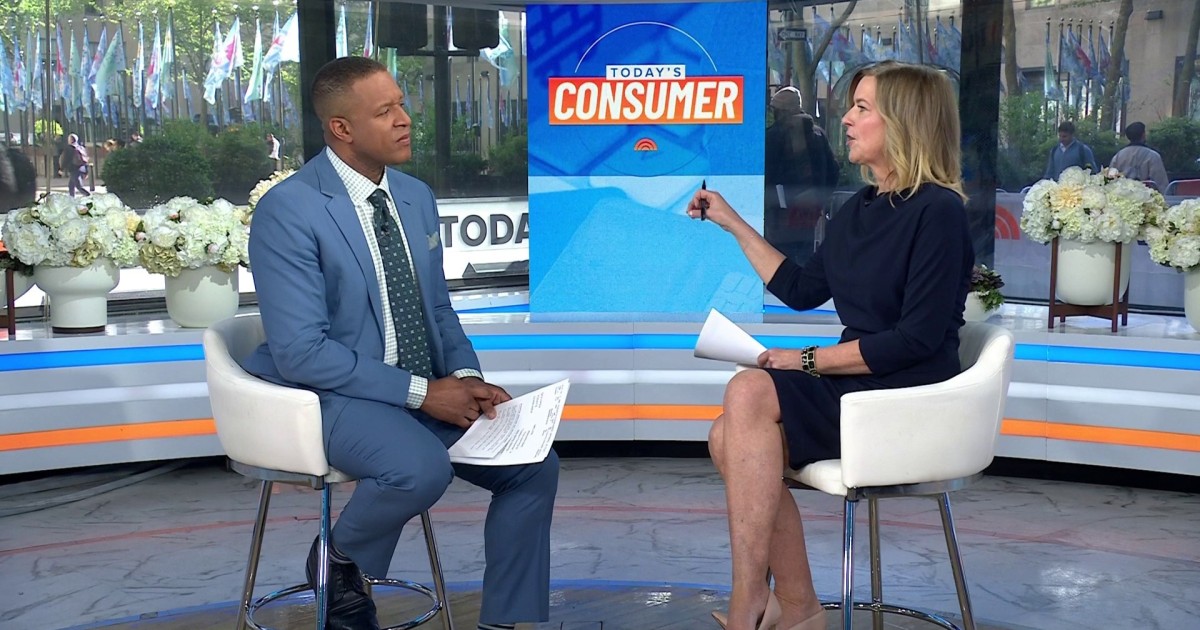
In an era of rising costs and economic uncertainty, many Americans are finding their personal finances in need of a serious overhaul. On April 23, 2026, NBC's chief business correspondent Christine Romans appeared on the TODAY show to offer practical advice for resetting one's financial life, emphasizing simple yet effective steps to regain control over spending and savings. Her checklist, detailed in a segment titled "Here's Your Checklist for Giving Your Finances a Reset," addresses common pitfalls like unchecked subscriptions and creeping baseline expenses, providing a roadmap for viewers looking to stabilize their budgets amid ongoing inflationary pressures.
Romans began by highlighting a pervasive issue affecting households across the country: the subtle increase in everyday spending. "Is your baseline spending creeping up?" she asked during the broadcast, pointing to how small, incremental rises in costs for groceries, utilities, and entertainment can erode financial security over time. According to Romans, this phenomenon has been exacerbated by post-pandemic habits, where remote work and online shopping have blurred the lines between necessary and discretionary purchases. The segment, aired on NBCUniversal's TODAY platform, urged viewers to take immediate action to audit their financial habits before these trends lead to deeper debt.
One of the core recommendations from Romans was to conduct a thorough audit of monthly spending. She advised individuals to review bank statements and credit card bills line by line, categorizing expenses to identify areas of waste. For instance, unused gym memberships, streaming services, or meal kit deliveries often linger as forgotten charges, siphoning away hundreds of dollars annually. Romans noted that the average American household subscribes to multiple services they rarely use, with data from financial tracking apps showing that such subscriptions can account for up to 10% of monthly outflows in some cases. By canceling these, she said, people could free up funds for more pressing needs or savings goals.
"Are you paying for monthly subscriptions you're not using?" Romans posed this question directly to the audience, underscoring the ease with which these auto-renewing fees accumulate. In the segment, she shared an anecdote from a viewer who discovered over $200 in redundant subscriptions after a simple review, illustrating the tangible benefits of this step.
Beyond cutting unnecessary costs, Romans stressed the importance of bolstering retirement savings, particularly through adjustments to 401(k) contributions. With the stock market showing volatility in early 2026, she recommended increasing employer-sponsored plan contributions to at least 10-15% of income, if feasible. This advice comes at a time when the federal retirement age discussions are heating up, and Social Security projections indicate potential shortfalls by the 2030s. Romans explained that many workers are under-contributing due to immediate cash flow concerns, but automating higher deductions can harness compound interest over time. For those in their 30s and 40s, she calculated that bumping up contributions by just 2% could add tens of thousands to retirement nests by age 65.
The correspondent also touched on the need to review insurance policies and tax documents, areas often overlooked in routine financial checkups. According to Romans, outdated insurance coverage—whether for health, auto, or home—can leave individuals vulnerable to unexpected expenses. She cited recent natural disasters in the Midwest, including severe flooding in Appleton, Wisconsin, last summer, as reminders of why annual policy audits are essential. For taxes, Romans advised examining the previous year's returns for deductions missed, such as home office setups or charitable contributions, potentially yielding refunds or adjustments for the current filing season.
In providing context for her checklist, Romans referenced broader economic indicators from the U.S. Bureau of Labor Statistics, which reported a 3.2% inflation rate in March 2026, down from peaks in 2022 but still squeezing middle-class budgets. The segment aligned with a wave of financial literacy initiatives launched by major networks, including NBC's partnership with financial nonprofits to promote fiscal responsibility. Viewers tuning in from cities like New York and Chicago shared stories on social media post-broadcast, echoing Romans' points about subscription overload, with one Twitter user reporting savings of $50 monthly after heeding her call.
While Romans' tips were presented as universally applicable, some financial experts outside the segment offered nuanced perspectives. For example, a representative from the Consumer Financial Protection Bureau, in a separate report released the same week, emphasized that auditing spending should include tracking variable costs like fuel and dining out, which have fluctuated wildly since 2020. This aligns with Romans' advice but adds a layer of emphasis on seasonal adjustments. Conversely, a libertarian-leaning economist from the Cato Institute argued in a recent op-ed that over-reliance on 401(k)s might not suit everyone, suggesting alternative investments like real estate for those wary of market dips—though Romans countered in her segment that diversified retirement accounts remain a cornerstone for most.
Romans dedicated a portion of the discussion to building an emergency fund, recommending three to six months' worth of living expenses in a high-yield savings account. With interest rates hovering around 4.5% in 2026, she noted, these accounts now offer better returns than in low-rate years past. The advice is particularly timely for Appleton residents, where manufacturing layoffs at local plants have heightened job insecurity. According to city officials, unemployment in Outagamie County ticked up to 4.1% in April, prompting community workshops on financial resilience modeled after national programs like the one featured on TODAY.
Another key element of the reset, per Romans, involves setting clear financial goals, from paying down high-interest debt to planning for major life events like college tuition or home purchases. She suggested using free online tools from sites like Mint or YNAB (You Need A Budget) to track progress, reporting that users who log expenses daily see a 20% improvement in adherence to budgets within months. This data, drawn from app analytics shared in the segment, underscores the psychological benefits of visibility in financial management.
As the economy navigates recovery from global supply chain disruptions, Romans' checklist serves as a proactive measure against potential recessions. Federal Reserve Chair Jerome Powell, in testimony before Congress earlier in 2026, warned of persistent inflation risks, making personal finance tweaks more urgent. Romans wrapped her appearance by encouraging viewers to treat the reset as an annual ritual, not a one-time fix, to adapt to changing circumstances.
Looking ahead, the TODAY segment has sparked interest in follow-up content, with NBC announcing a series on specialized financial topics, including debt consolidation and investment basics. For Appleton Times readers, local banks like Associated Bank are offering free workshops inspired by such national advice, starting May 2026. Romans' straightforward approach—focusing on actionable steps without overwhelming jargon—has resonated widely, as evidenced by the video's quick climb to over 500,000 views on the TODAY website within days of airing.
In broader implications, this financial reset push reflects a societal shift toward empowerment in uncertain times. While not a panacea for systemic issues like wage stagnation, individual actions like those Romans outlined can build resilience. Economists project that widespread adoption of such habits could boost national savings rates by 1-2% over the next decade, per a Federal Reserve study. For families in the heartland, from Wisconsin to the Rust Belt, these tips offer a starting point to weather economic storms.
Ultimately, Romans' message is one of optimism: finances, like habits, can be recalibrated with discipline and awareness. As she concluded the segment, "Resetting your finances isn't about deprivation; it's about intentionality." With tools and timelines in hand, viewers are equipped to tackle their ledgers, one subscription and contribution at a time.