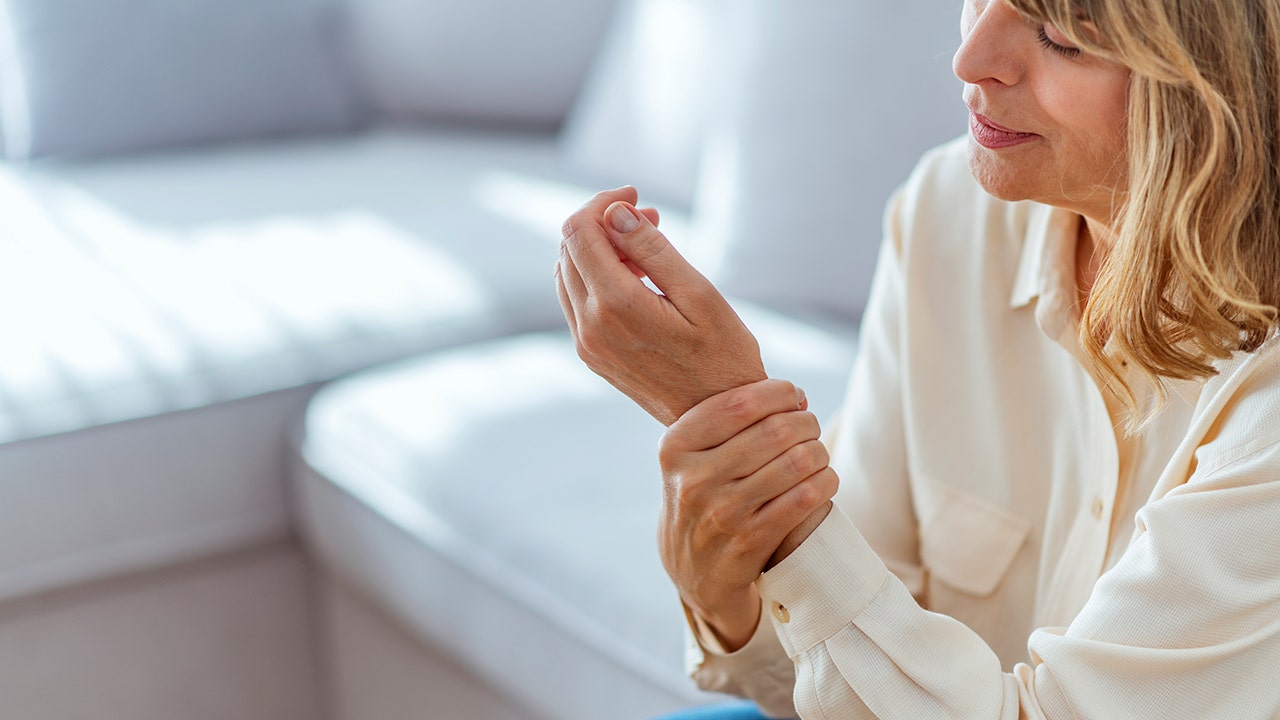
In an era where heart disease and cancer often dominate health discussions, a quieter threat looms for millions of women: weakening bones that could lead to life-altering fractures. According to Dr. Mary Claire Haver, a board-certified obstetrician-gynecologist and menopause specialist at the University of Texas Medical Branch, about 50% of women can expect to suffer an osteoporotic fracture before they die—a rate triple that of men. This stark disparity underscores the urgency of addressing bone health, particularly as women navigate midlife changes like menopause.
Osteoporosis, often called a 'silent disease,' progressively thins bones without obvious symptoms until a fracture occurs, sometimes from something as minor as a cough. The National Institute of Arthritis and Musculoskeletal and Skin Diseases defines it as a condition where bone mineral density and mass decrease, or the structure and strength of bones change in ways that make them brittle. Dr. Haver, who also founded The 'Pause Life, a wellness platform supporting women through midlife, emphasized the consequences in a recent interview with Fox News Digital. 'The downfall after these fractures can be pretty devastating,' she said, noting that such breaks can result in disability, death, and substantial medical costs.
The numbers paint a sobering picture. Haver reported that 50% of women will experience an osteoporotic fracture by age 50, compared to just 20% of men. While the exact mechanisms behind women's higher vulnerability aren't fully detailed in her comments, hormonal shifts during menopause play a key role, reducing estrogen levels that help maintain bone density. For context, the Centers for Disease Control and Prevention estimates that osteoporosis affects about 10 million Americans, with women comprising roughly 80% of those diagnosed, though Haver's figures highlight the fracture risk even earlier in life.
Dr. Haver stressed that osteoporosis is largely preventable through lifestyle choices made well before symptoms appear. 'Paying attention to the lifestyle, the behaviors, possibly the medications that can prevent osteoporosis earlier in life, will really help stave off some of the loss of independence that women are suffering from as they age,' she told Fox News Digital. Key recommendations include engaging in weight-bearing exercises like walking or jogging and resistance training such as weightlifting, which stimulate bone growth. A balanced diet rich in calcium and vitamin D is also essential, potentially supplemented if dietary intake falls short.
Yet, certain risk factors can accelerate bone loss, making vigilance crucial. Individuals with hormone imbalances, those who've undergone gastrointestinal surgery, or people with low calcium intake or histories of disordered eating face elevated risks, according to Haver and the Mayo Clinic. Family history is another red flag; if a close relative has had osteoporosis, the odds increase significantly. Additionally, long-term use of corticosteroid medications—for conditions like seizures, gastric reflux, cancer, or transplant rejection—can weaken bones, as can chronic illnesses such as celiac disease, inflammatory bowel disease, kidney or liver disease, multiple myeloma, and rheumatoid arthritis.
Even everyday habits contribute to the problem. Sedentary lifestyles top the list of modifiable risks, with the Mayo Clinic reporting that people who spend a lot of time sitting have a higher chance of developing osteoporosis than those who stay active. Excessive alcohol consumption and tobacco use further erode bone density, compounding the issue. Haver echoed this in her blog on The 'Pause Life website, advising, 'Engage in weight-bearing exercise and resistance training, avoid smoking and excessive alcohol consumption, and talk to a doctor about any medications that may affect bone health.'
Despite its stealthy nature, osteoporosis isn't entirely symptomless. Haver pointed to several subtle warning signs that may signal lower-than-normal bone density: gradual loss of height, persistent back pain, receding gums, and weak or brittle nails. These clues often emerge after years of silent progression, serving as prompts to seek evaluation. For those already at risk, regular bone density testing via DEXA scans can catch issues early, a step Haver recommends discussing with a healthcare provider.
The implications extend beyond the individual. Fractures, particularly of the hip or spine, can trigger a cascade of health declines, including reduced mobility and increased fall risks, leading to nursing home admissions or even mortality. In the U.S., osteoporosis-related fractures cost the healthcare system billions annually, with Medicare bearing much of the burden. Haver's work through The 'Pause Life aims to empower women with knowledge during perimenopause and menopause, periods when bone loss accelerates due to dropping estrogen.
Broader context reveals ongoing research into prevention and treatment. While Haver focuses on lifestyle interventions, pharmaceutical options like bisphosphonates exist for those with diagnosed osteoporosis, though they come with side effects that require medical oversight. Recent studies, such as one highlighted in related Fox News coverage, suggest that beverages like coffee might harm bone density in older women, while tea could offer protective effects—findings that align with Haver's emphasis on dietary choices. Another report warned that favorite winter drinks, often loaded with sugar, may indirectly weaken bones by promoting inflammation or displacing nutrient-rich foods.
Experts agree on the need for early action, but access to care varies. Women in rural areas or those without insurance might delay screenings, exacerbating disparities. The Mayo Clinic advises baseline bone density tests for women over 65, or earlier for those with risk factors, a guideline that Haver supports. Public health campaigns, like those from the National Osteoporosis Foundation, promote awareness, but Haver's message is personal: start building bone health in your 20s and 30s to safeguard later years.
Looking ahead, advancements in menopause care could mitigate risks. Haver, as an associate professor at the University of Texas Medical Branch in Galveston, contributes to research on women's health transitions. Her platform, The 'Pause Life, offers resources like blogs and products tailored to midlife, including supplements for bone support. As awareness grows, more women may prioritize bone scans alongside mammograms and colonoscopies.
Ultimately, the fight against osteoporosis hinges on education and proactive steps. By heeding signs like height loss or brittle nails and adopting habits like regular exercise, women can reduce their fracture odds dramatically. Dr. Haver's call to action is clear: don't wait for a break to address bone health. With simple changes, independence in later life remains within reach for the majority.
For those concerned, consulting a doctor for personalized risk assessment is the first step. Bone density testing, available at most clinics, provides concrete data to guide prevention. As Haver notes, the disease's preventability offers hope amid the statistics—empowering women to take control before fragility sets in.