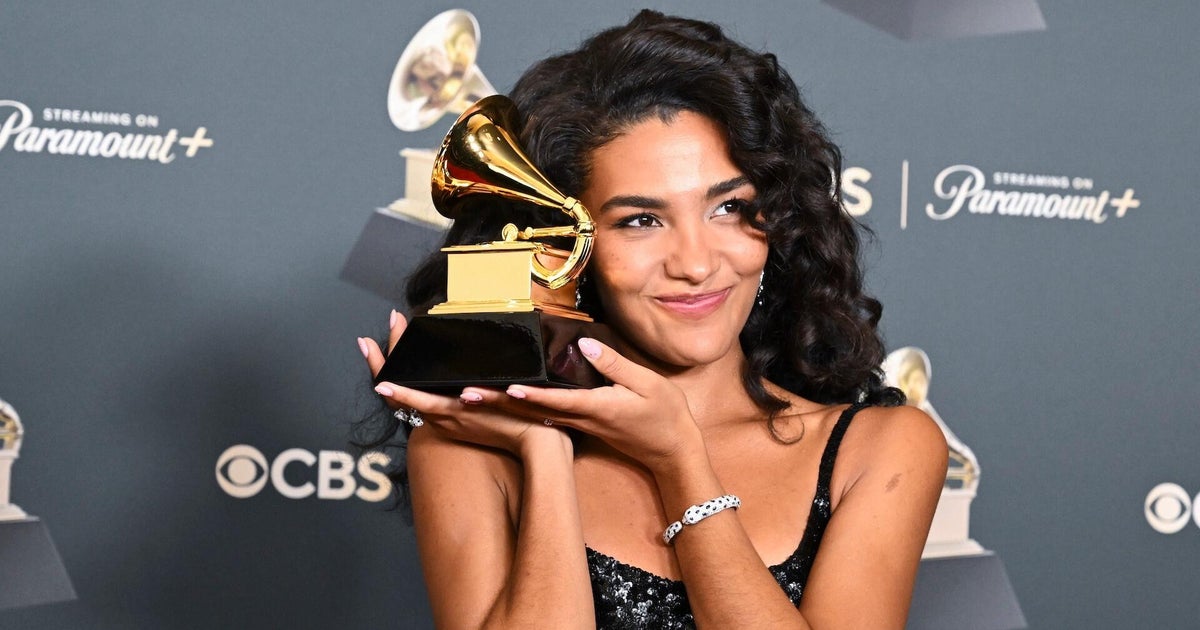
Los Angeles, CA – The 66th Annual Grammy Awards took place on Sunday evening at the Crypto.com Arena, drawing the music industry's biggest stars for a night of celebration, performances, and surprises. Hosted by Trevor Noah for the fourth consecutive year, the event showcased a diverse array of winners across genres, with pop sensation Taylor Swift making history by securing her fourth Album of the Year award for Midnights.
According to CBS Mornings co-host Gayle King, who provided a breakdown of the evening's highlights, the show was filled with memorable moments that highlighted both artistic achievements and cultural milestones. 'It was a night of big wins and special moments,' King said in her recap on CBS News. She emphasized the emotional tributes and collaborations that resonated with audiences worldwide.
Swift's victory capped a dominant year for the singer, who also took home Best Pop Vocal Album. In her acceptance speech, Swift reflected on the collaborative spirit behind the album, thanking her team and fans. 'This is our sixth Album of the Year nomination together, and our fourth win – thank you for trusting me with your stories,' she said, according to reports from the event.
Another standout was SZA, who led the nominations with nine nods and won three awards, including Best Progressive R&B Album for SOS. King noted SZA's powerful performance of 'Kill Bill' as one of the night's high points, describing it as 'raw and electrifying.' The singer's success underscored the growing influence of R&B and alternative sounds in contemporary music.
Rock and metal fans celebrated as Boygenius claimed Best Rock Album for The Record, with the trio – Phoebe Bridgers, Julien Baker, and Lucy Dacus – delivering a heartfelt speech about their friendship and perseverance. 'We wrote these songs when we felt like we had nothing left to give,' Bridgers said, per official Grammy transcripts. This win marked a significant moment for female-led rock acts in a historically male-dominated category.
The evening also honored hip-hop's legacy with the first-ever Best Rap Album win for Killer Mike's Michael. The Atlanta rapper used his platform to address social issues, stating, 'This is for the kids in the juvenile detention centers,' according to eyewitness accounts from the ceremony. King's recap highlighted how this award reflected the genre's evolution and its role in activism.
In the classical field, the Grammy for Best Opera Recording went to Pride and Prejudice by the Philadelphia Orchestra, conducted by Yannick Nézet-Séguin. This victory celebrated orchestral excellence and brought attention to adaptations of literary works in music. King pointed out the standing ovation the performance received, calling it a 'beautiful fusion of literature and sound.'
Special moments included a tribute to late legends like Tina Turner and Burt Bacharach, with performances by artists such as Fantasia Barrino and Annie Lennox. Noah's hosting kept the energy light, joking about the venue's name change from Staples Center. 'We're at the Crypto.com Arena – because nothing says music like cryptocurrency,' he quipped, drawing laughs from the crowd.
Beyoncé made headlines by winning Best Dance/Electronic Album for Renaissance, her sixth non-classical Grammy, though she has 32 overall. Despite leading nominations, some observers noted the absence of an Album of the Year win, sparking discussions on genre biases. King addressed this in her analysis, saying, 'Beyoncé's influence is undeniable, and tonight was another chapter in her storied career.'
Country music saw Victoria Monet triumph in Best R&B Song for 'On My Mama,' a genre-bending track that blended influences. The win highlighted the blurring lines between R&B and other styles. Monet, emotional in her speech, dedicated the award to her daughter: 'This is for every little Black girl who sees herself in me.'
The Grammys also recognized global talent, with Burna Boy winning Best Global Music Album for I Told Them.... This accolade continued the Academy's push for international representation, following wins by artists from Africa and Asia in recent years. King praised the performance lineup, which included a collaboration between Billie Eilish and her brother Finneas on a new track.
Behind the scenes, the event faced logistical challenges due to ongoing strikes in Hollywood, but producers managed to keep the show on track. Attendance was robust, with over 15,000 in-person viewers and millions more tuning in via CBS broadcast, which began at 8 p.m. ET.
As the night wound down, presenters like Oprah Winfrey and Keith Urban added star power, with Winfrey introducing a segment on music's healing power. The ceremony concluded with a group performance of 'Hey Jude' by Paul McCartney and others, evoking nostalgia and unity.
Looking ahead, the Grammys' expansions – including new categories like Best African Music Performance – signal a commitment to diversity. Industry insiders predict next year's event, set for February 4, 2025, will build on this momentum, potentially featuring even more international acts. King's closing thoughts encapsulated the sentiment: 'The Grammys remind us why music matters – it connects us all.'
The full list of winners spans 94 categories, available on the Recording Academy's website. While celebrations continued into the after-parties at venues like the Hollywood Palladium, the night's impact on careers and trends will echo for months.