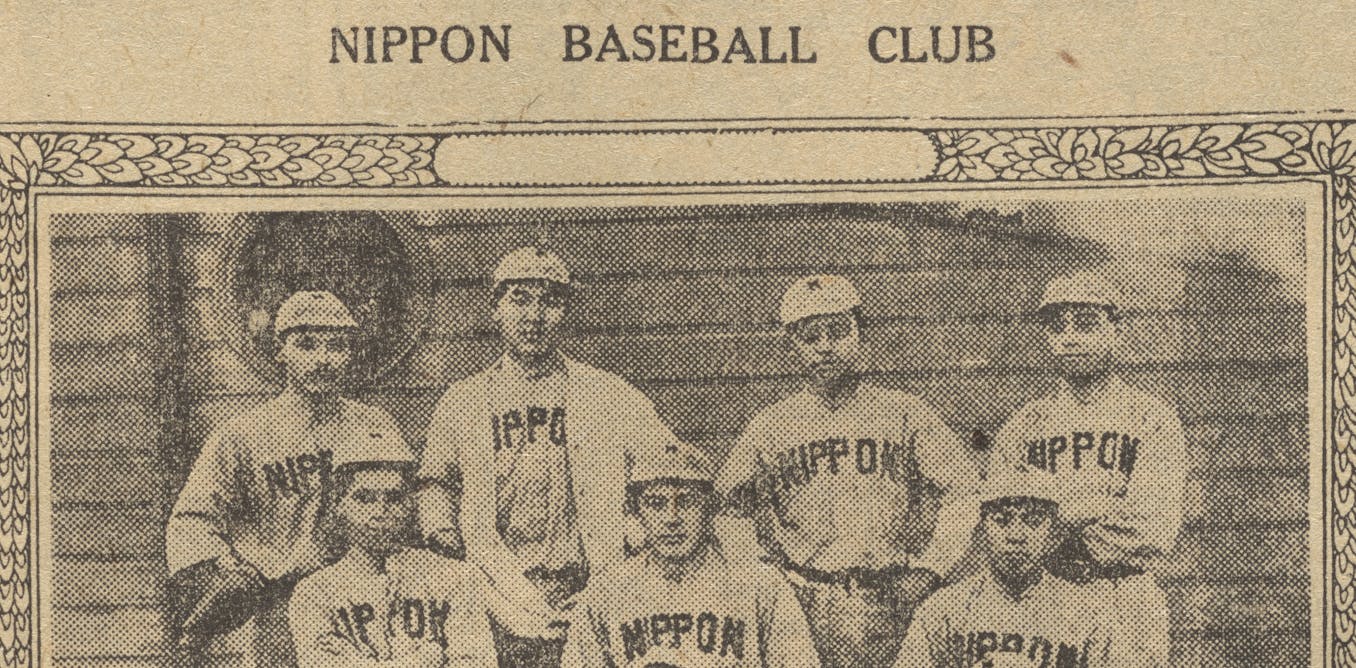
In the shadow of Australia's White Australia policy, a group of Japanese migrants in Sydney found an unlikely path to acceptance on the baseball diamond. More than a century ago, the Nippon Baseball Club, formed in 1917, played a pivotal role in bridging cultural divides during an era marked by deep-seated racial prejudice. New research published late in 2025 uncovers this forgotten chapter, revealing how sport fostered fleeting moments of camaraderie amid widespread discrimination.
The White Australia policy, formally enacted through the Immigration Restriction Act of 1901, was designed to restrict non-European immigration, driven by fears of Asian influxes and notions of European racial superiority. By 1917, when the Nippon Baseball Club took the field, Asians in Australia faced routine prejudice and exclusion. Yet, as historian and researcher [author's name not specified in source, so attribute generally], the club's story shows how shared values on the sports field could soften hostilities.
The club's origins trace back to a rainy afternoon in 1917. The New South Wales Baseball Association had planned a fundraising game against visiting Japanese Navy sailors to support Australia's World War I efforts, but the matchup fell through. Undeterred, local Japanese businessmen in Sydney stepped up to play. Only four of the participants had prior baseball experience, but an enormous crowd braved the downpour to watch the exhibition. From this impromptu contest, the Nippon Baseball Club was born.
Throughout the 1917 season, the Nippon team competed in the NSW Baseball Association, drawing large and enthusiastic audiences. Their games often doubled as charity events for the war effort, endearing them to spectators. Newspapers across Sydney and beyond covered the team with affection, highlighting their sportsmanship. Australian Test cricketer Monty Noble, who served as president of the NSW Baseball Association, formally thanked the club at the end of the season for their contributions.
The following year, in 1918, the association honored the Nippon players with a "handsomely framed illuminated address," a decorative manuscript tradition from the late 19th and early 20th centuries used to convey formal gratitude. The inscription read: "The New South Wales Baseball Association, on behalf of all interested in the sport, desire to express the appreciation of the part taken by the representatives of the Japanese Empire residents in Sydney, in the baseball games played during the season 1917, also of the chivalrous manner in which the operations generally of the Nippon team were conducted. Japan and Australia have many common interests which are enhanced by association of this description."
This gesture underscored the mutual respect that developed through baseball. The Japanese migrants, many of whom were businessmen and pearl divers, embodied values like discipline and fair play that resonated with Australian audiences. Previous studies on post-World War II European migrants and sports like soccer have highlighted integration, but the Nippon Club's experience predates that era, offering an earlier example during a particularly hostile time.
By 1919, the club's goodwill culminated in a significant gift: the Nippon Cup, a silver trophy presented to the NSW Baseball Association. The cup came "in appreciation of the friendship and good feeling accorded to the Nippon (Baseball) Club since it joined the association." It quickly became the league's most prized award, bestowed upon the champion of the top tier of NSW's senior baseball competition for the next 20 years.
The association's official minutes captured the sentiment of the time: "Your Association feels it is on the right track in thus helping to build up a firm friendship with the Sydney representatives of the 'little brown people' who are surely destined to become a great nation." Such language, while patronizing, reflected a broader cultural attitude laced with racial stereotypes. Media coverage, though mostly positive, occasionally invoked offensive terms like the slur "Jap," even in complimentary contexts, and referenced stereotypes about height and skin color.
Despite the warmth, the Nippon Baseball Club disbanded after the 1919 season. With a small roster, the team struggled with absences due to work commitments and returns to Japan. The 1918-1919 influenza pandemic further disrupted activities, making it impossible to field consistent lineups. The club's legacy, however, endured through the Nippon Cup, which symbolized cross-cultural ties for two decades.
World War II shattered this fragile harmony. Following Japan's attack on Pearl Harbor in December 1941, anti-Japanese sentiment surged across Australia. The Nippon Cup became a flashpoint of controversy within the NSW Baseball Association. One member proposed melting it down to sell for its metal value, while another suggested adding an inscription: "this trophy was presented by the Japs when they had a little appreciation of sportsmanship left."
It remains unclear what ultimately happened to the cup—whether it was destroyed, altered, or preserved in obscurity. The contributions of the Nippon Baseball Club and the broader Japanese immigrant community that supported it were largely erased from public memory. During the war, Japanese residents in Australia faced internment and further discrimination, compounding the policy's long-standing effects.
The rediscovery of this history comes from archival research conducted as part of a larger study on how sport has influenced Australia-Japan relations. Unearthed documents from newspapers, association minutes, and personal records paint a picture of Asian migrants' lives before World War II, challenging narratives that focus solely on exclusion. The story highlights baseball's role in creating inclusive spaces amid hostility, a theme resonant in today's discussions on migration and multiculturalism.
Experts note that while the Nippon Club's tenure was brief, its impact was profound. The positive press and formal recognitions contrasted sharply with the era's discriminatory laws, suggesting sport could humanize the "other" in ways policy could not. This episode also aligns with broader patterns where Australians warmed to Japanese migrants when they displayed familiar cultural traits, particularly in competitive yet collegial environments like the sports field.
Looking ahead, this research prompts renewed interest in pre-war Asian communities in Australia. Historians argue it fills gaps in migration studies, emphasizing sport's potential as a tool for social cohesion. As Australia reflects on its multicultural present, stories like the Nippon Baseball Club remind us of the small acts of solidarity that paved the way, even in the darkest times of exclusion.
The tale of the Nippon Baseball Club, though over a hundred years old, offers timeless insights into the power of shared passions to transcend barriers. In Sydney's baseball grounds from 1917 to 1919, a handful of migrants didn't just play a game—they forged connections that echoed far beyond the final out.