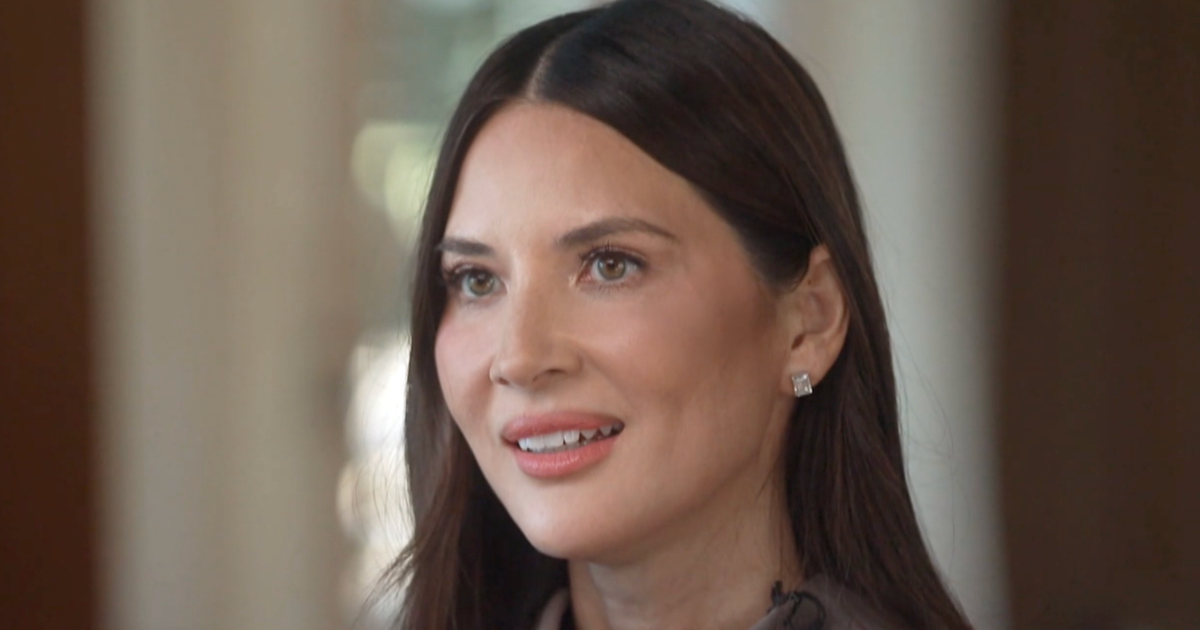
Olivia Munn, the actress known for her roles in films like X-Men: Apocalypse and television series such as The Newsroom, has emerged as a powerful voice in breast cancer awareness following her own diagnosis. In April 2023, Munn learned she had Stage 1 breast cancer after completing a free online Lifetime Risk Assessment test, which estimated her lifetime risk at 37.3 percent—well above the 20 percent threshold considered high risk.
"No symptoms. And I had a clear mammogram and a clear ultrasound," Munn told CBS Sunday Morning correspondent Tracy Smith in a recent interview. The diagnosis came as a shock, given the absence of warning signs, but it prompted immediate action. Munn underwent a double mastectomy, an ovariectomy, and a partial hysterectomy to combat the disease aggressively. Today, her risk score stands at zero, a testament to the effectiveness of early intervention.
Rather than retreating from the public eye during her recovery, Munn chose to share her story openly. She posted about her experience on social media and spoke candidly in interviews, urging women to take the quick online assessment. According to CBS News, the number of women completing the test has surged by 4,000 percent since Munn began her advocacy efforts. "Knowing that it's really changed so many people's lives. It's been the most amazing thing. There's no way I could have ever predicted it," she said.
Munn's journey has not been solitary. She began dating comedian John Mulaney in 2021, and the couple married in 2024. Mulaney has been a steadfast supporter throughout her treatment. "There's no better person in the world to me than my husband. He is-- I mean, you've met him. He wanted to come to every single doctor's appointment. He had his little notebook. You know? And he's got his notebook that he writes all of his ideas for jokes and anything that comes to him through the day," Munn recounted.
During appointments, Mulaney took detailed notes on topics like cancer treatments and hormone therapy, blending his comedic sensibility with practical support. "You know, having the humor to go through it and having someone who's so funny, it really– it just lightens everything," Munn added, highlighting how laughter helped navigate the emotional toll.
The couple's family life adds another layer to Munn's story of resilience. They share two young children: son Malcolm, who is 4 years old, and daughter Mei Mei, who will turn 2 in the fall. Parenthood, Munn explained, has deepened her appreciation for life's fragility. "I say it's not the Christmases and the birthdays and the New Year's that we remember. Like, life happens on a Tuesday. Like, it just happens. And you cannot expect it. And so every day, you should just be so present and grateful," she said.
And once you are faced with the possibility of death and not being here, it's-- for me, all I wanted were the little moments.
Munn emphasized the importance of cherishing these everyday interactions with her children, a perspective shaped by her brush with mortality. Her advocacy extends beyond personal reflection, aiming to equip other women with tools for prevention. The Lifetime Risk Assessment, available through organizations like the American Cancer Society and various health platforms, involves a simple questionnaire that factors in age, family history, and other variables to calculate risk.
Experts in oncology have praised Munn's initiative for bridging the gap in preventive care. While the CBS interview did not include direct comments from medical professionals, the dramatic increase in test usage underscores its impact. Breast cancer remains one of the most common cancers among women in the United States, with the Centers for Disease Control and Prevention reporting over 290,000 new cases annually. Early detection, as in Munn's case, significantly improves outcomes, with Stage 1 survival rates exceeding 99 percent according to the American Cancer Society.
Munn's story also sheds light on the nuances of screening. Traditional methods like mammograms and ultrasounds, while effective, can miss aggressive forms of cancer in younger women or those with dense breast tissue. The risk assessment serves as a complementary tool, identifying at-risk individuals who might otherwise delay further testing. Munn's experience illustrates this: despite clear imaging results, genetic and risk factors revealed the hidden threat.
Looking back, Munn views her diagnosis not as a loss but as a profound reminder of gratitude. "I'm so lucky that I'm in this chaos, and that I haven't slept in a few days, and that I'm exhausted. It's a true privilege to just be alive in the world," she told Smith. This mindset has fueled her return to work. Currently, Munn is on set filming her role as a cunning divorcee in the Apple TV+ series Your Friends and Neighbors, which is set to return for its second season on April 3, 2026.
The series, created by Jonathan Tolins, explores themes of suburbia and hidden secrets among neighbors, allowing Munn to channel her real-life strength into a complex character. Production details remain under wraps, but sources close to the show indicate that Munn's performance is anticipated to be a highlight. Her involvement signals a full recovery and a commitment to her craft amid personal triumphs.
Munn's advocacy has ripple effects beyond statistics. Support groups and online forums report increased discussions about proactive health measures, with many women citing her story as motivation. One anonymous user on a breast cancer awareness subreddit shared, according to reports from health advocacy sites, that Munn's transparency prompted her to take the test, leading to early intervention. Such anecdotes align with the broader surge in awareness.
Challenges persist in making these tools accessible. While the online assessment is free, not all women have equal access to follow-up care, particularly in underserved communities. Public health officials, including those from the National Cancer Institute, stress the need for equitable screening programs. Munn's platform amplifies these calls, potentially influencing policy and funding discussions.
As Munn continues her dual roles as actress and advocate, her message resonates widely. By turning a personal crisis into a public service, she has empowered thousands to take control of their health. The 4,000 percent increase in test completions is not just a number; it represents lives potentially saved through vigilance and information. In an era where health narratives often focus on treatment battles, Munn's emphasis on prevention offers a hopeful path forward.
Her family's support system, from Mulaney's notebook scribbles to the daily joys with Malcolm and Mei Mei, underscores the human element. Life's unpredictability, as Munn notes, demands presence and action. For women navigating similar risks, her story serves as both caution and inspiration, reminding them that awareness can rewrite outcomes.