By David Kim, The Appleton Times
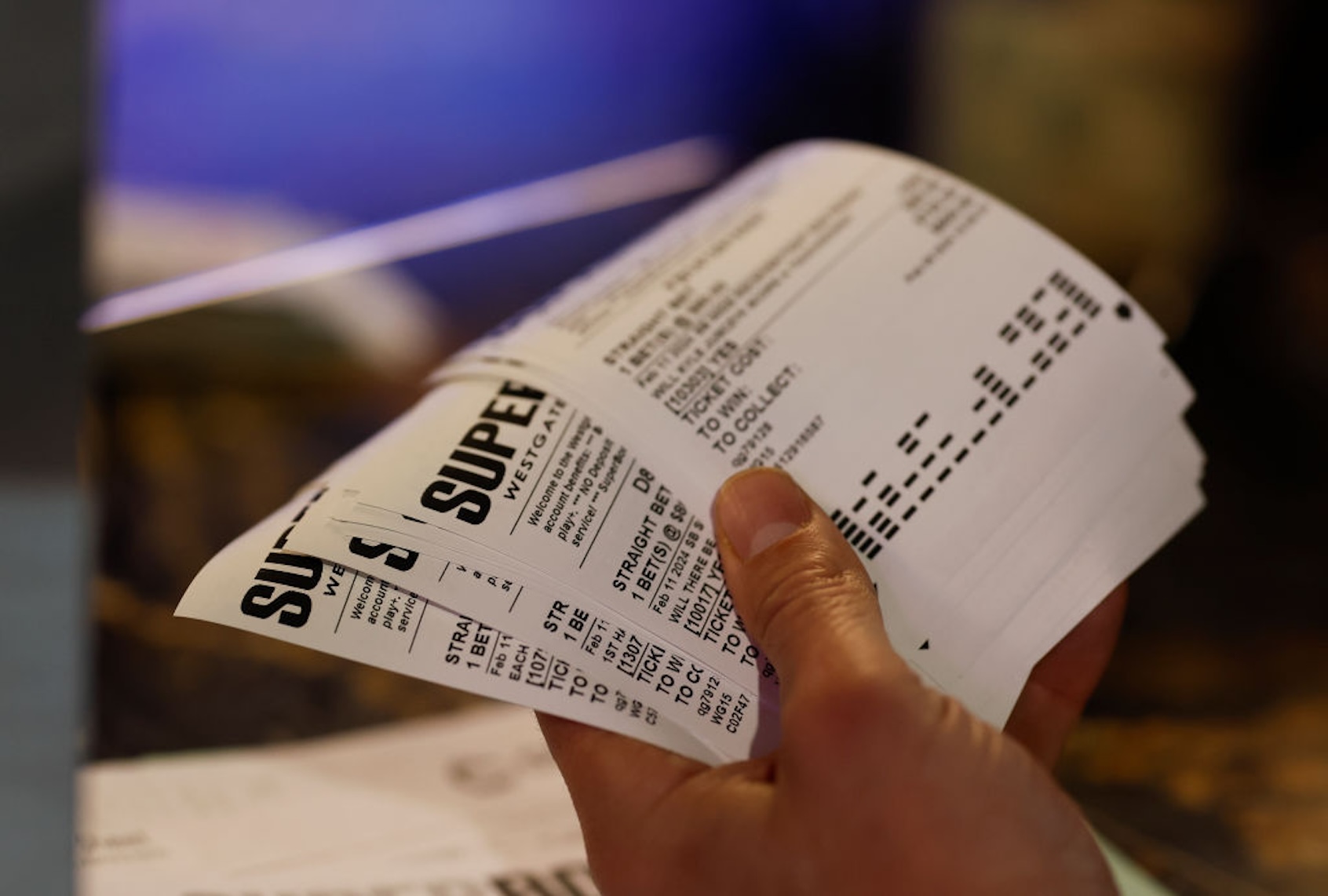
As the nation gears up for Super Bowl Sunday, a record $1.76 billion is expected to be legally wagered on the game through U.S. sportsbooks, according to industry analysts. This surge in online sports betting has raised concerns about how these platforms disproportionately target Black communities, potentially exacerbating existing social and economic inequities. The high-stakes event, set for February 8, 2026, highlights not just the excitement of the game but also the darker undercurrents of gambling's impact on vulnerable populations.
The story of Eddie Roberson and Talif Crowley serves as a stark reminder of the real-world consequences of sports betting gone wrong. In 2013, the two Black residents of New Jersey placed a $700 wager on the Super Bowl matchup between the San Francisco 49ers and the Baltimore Ravens. Roberson, then 31, bet on the 49ers, who were 4.5-point favorites according to Las Vegas bookies. When the 49ers fell 34-31 after a controversial blackout delayed the game, Crowley, 38, sought to collect his winnings. Roberson's refusal, believing the Ravens had been unfairly advantaged, led to a fatal confrontation in which Crowley shot Roberson six times. This incident, detailed in a recent Salon article by addiction researcher Jerel Ezell, underscores the violence that can erupt from gambling disputes, particularly within Black communities.
Ezell, writing for Salon on February 8, 2026, describes Roberson's death as "a crystallization of the precarity of Black life — and of the violence that sports and unchecked corporatism often evoke off the field." He notes that such tragedies are not isolated, pointing to multiple instances where Black individuals in America have been killed in the aftermath of gambling-related conflicts. As Super Bowl betting reaches new heights, Black viewers—especially Black men—are expected to tune in in greater numbers than any other demographic, making them prime targets for the barrage of sportsbook advertisements that will flood the telecast.
Online sports betting has exploded since the Supreme Court's 2018 ruling in Murphy v. National Collegiate Athletic Association, which struck down a federal law prohibiting states from authorizing sports gambling. By 2025, 39 states, along with Washington, D.C., and Puerto Rico, had legalized sportsbooks, paving the way for giants like DraftKings, FanDuel, and PrizePicks to thrive. DraftKings alone reports 4.8 million average monthly unique paying customers. Today, approximately 94% of sports betting occurs online, requiring only a smartphone, internet access, and minimal funds—or sometimes none at all—to begin.
Advertising for these platforms is relentless, appearing as graphic overlays, or "snipes," on TV screens every five to ten minutes during games, alongside venue signage and commentary from broadcasters. Ezell observes that these promotions frame betting as "not only an exciting appendage to the game but also as virtually essential to truly experiencing it." Black celebrities have become central to this marketing strategy, given the dominance of Black athletes in heavily bet-on sports like football, basketball, and boxing, which also draw disproportionately high Black viewership.
In 2020, DraftKings enlisted basketball legend Michael Jordan as a special adviser, a move that boosted the company's shares by 8%. Despite Jordan's past entanglement in gambling scandals—rumors linked to his 1993 NBA hiatus, which he has denied—the partnership proceeded amid fanfare. Other prominent Black figures, including comedian Kevin Hart, NBA star LeBron James, former NFL player Marshawn Lynch, and actor Jamie Foxx, have signed on as ambassadors for major sportsbooks. Their ads often employ "cartoonish confidence and humor," according to Ezell, to portray gambling as harmless fun and downplay its risks.
This trend echoes historical patterns of corporations using Black endorsers to penetrate Black markets. In the 1950s and 1960s, Jackie Robinson and Sammy Davis Jr. promoted Chesterfield cigarettes. The 1970s saw Billy Dee Williams as the face of Colt 45 malt liquor, followed by P. Diddy with Cîroc vodka in the early 2000s, and later Jay-Z with D’Ussé cognac and 50 Cent with Le Chemin du Roi champagne. Ezell argues that sportsbook operators' current strategies represent "the latest evolution of corporations leveraging partnerships with Black celebrities to enter into untapped Black markets — and convincing Black celebrities to become willful, if not blissfully ignorant, allies."
Gambling has deep roots in Black American history, serving as both a source of community and peril. Enslaved people in the 18th century participated in guessing games and strength contests to foster morale and bonds. Post-Reconstruction, formal card games and cockfighting provided networking opportunities and quick cash amid limited economic prospects. During the Great Migration in the early 1900s, Black entrepreneurs in the North ran gambling houses, sometimes partnering with white politicians and mobsters to circumvent Jim Crow laws and build wealth.
However, the risks have always loomed large. Research from the University of Michigan and Rice University links legal sports betting to a substantial rise in violent crime. Pathological gamblers, Ezell notes, are more prone to illegal activities like theft and fraud. Studies also indicate that individuals with problematic gambling habits suffer poorer mental health, lower quality of life, higher rates of smoking a pack or more of cigarettes daily, and obesity. As an addiction researcher working with Black communities, Ezell has witnessed how even casual entry into gambling can lead to "years of emotional and financial pain" for individuals and their families.
A 2025 Pew poll reveals stark disparities in gambling participation: 30% of Black respondents and 27% of Hispanics reported betting on sports in the past year, compared to 19% of white people. Yet, 31% of Black people and 37% of Hispanics view legal sports betting as detrimental to society, higher than the 46% of white respondents who hold that opinion. These figures suggest growing unease, particularly as online platforms make betting more accessible and less stigmatized.
Digital advertising amplifies these concerns, targeting younger, diverse audiences through influencers. Popular Black figures like Druski, Funny Marco, and rapper Drake frequently promote sportsbooks on unregulated livestreams and podcasts, exploiting parasocial relationships with fans. Drake, for instance, faces a RICO investigation related to his ties with Stake, the self-proclaimed world's largest online casino and sportsbook. Studies show that racial and ethnic minorities often start gambling at younger ages, heightening the risks for Black youth exposed to such endorsements.
Ezell warns that gambling addiction remains underdiagnosed and undertreated in racial minorities, with public health systems ill-equipped for the online betting boom. "As an addiction researcher, I’m curious about things that are designed to keep people coming back, whether that be club drugs like molly, TikTok, matcha or sports entertainment," he writes. The shift to virtual platforms, he adds, eliminates traditional stigmas that once curbed excessive gambling, positioning online sportsbooks as "a remarkable, unchecked multiplier of pain and gain."
While the industry celebrates Super Bowl records, critics like Ezell foresee a potential bubble burst that could disproportionately burden Black communities. Historical precedents suggest that when gambling's downsides surface, marginalized groups often bear the heaviest toll. As states continue to expand legal betting—now in 39 jurisdictions—the call grows for stricter regulations on advertising and better support for addiction prevention, especially in targeted demographics.
Super Bowl Sunday remains America's premier betting day, blending legal wagers with underground activity. With Black audiences at the forefront of viewership, the event underscores the intersection of sports, commerce, and social justice. Whether policymakers will address these inequities before the next big game remains an open question, but the stakes, both financial and human, are higher than ever.