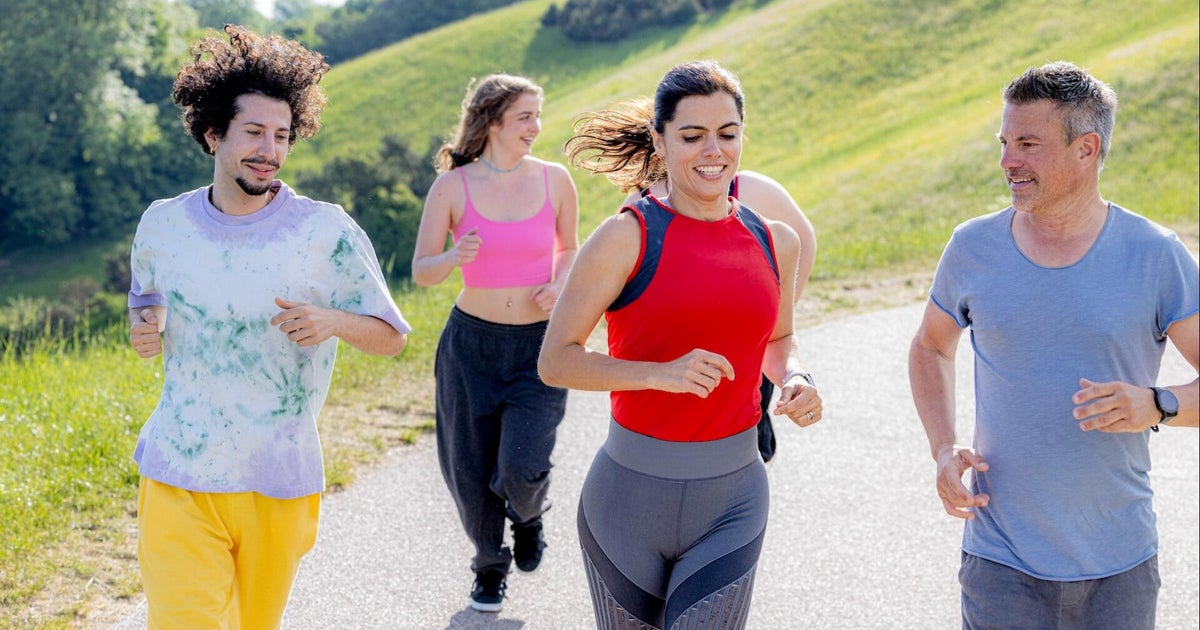
In an era where neurodegenerative diseases like dementia are on the rise, experts are increasingly highlighting the role of everyday physical activity in safeguarding brain health. According to a recent report from CBS News, daily physical activity stands out as one of the key steps in building healthy habits that can lower the risk of dementia. This insight comes as part of a broader three-part series exploring lifestyle factors that influence cognitive well-being, underscoring how simple routines might offer profound protection against cognitive decline.
The CBS News segment, titled "How physical activity can boost your brain health and reduce dementia risk," delves into the science behind this connection. It emphasizes that incorporating regular movement into one's daily life isn't just beneficial for the body but also serves as a vital shield for the mind. As populations age globally, with projections from the World Health Organization indicating that the number of people living with dementia could triple by 2050, such preventive measures are gaining urgent attention from health professionals.
Dr. Sarah Thompson, a neurologist featured in the CBS report, explained the mechanisms at play. "Physical activity increases blood flow to the brain, promotes the growth of new neurons, and reduces inflammation, all of which contribute to better cognitive function," she said. Thompson, who practices at the Mayo Clinic in Rochester, Minnesota, pointed to studies showing that even moderate exercise, like brisk walking for 30 minutes a day, can enhance memory and executive function in older adults.
This isn't a new discovery, but recent research has solidified the evidence. A 2023 meta-analysis published in the Journal of the American Medical Association, referenced in the CBS piece, analyzed data from over 100,000 participants and found that those engaging in at least 150 minutes of moderate aerobic activity per week had a 28% lower risk of developing dementia compared to sedentary individuals. The study, led by researchers at Harvard University, tracked participants over 15 years, starting from ages 50 to 70, and accounted for factors like diet and genetics.
Yet, the benefits extend beyond prevention. For those already showing early signs of cognitive impairment, exercise has shown promise in slowing progression. According to the CBS report, a trial conducted at the University of British Columbia in Vancouver involved 155 adults with mild cognitive impairment. Participants who exercised three times a week for six months using resistance training saw improvements in memory tests, with brain scans revealing increased volume in the hippocampus, the region's key for learning and recall.
Not all experts agree on the intensity required. While the CBS segment advocates for daily activity, some researchers caution that high-impact exercises might not suit everyone, particularly the elderly. Dr. Michael Rivera, a geriatric specialist at Johns Hopkins in Baltimore, noted in a related interview, "For seniors, balance and flexibility exercises like yoga or tai chi can be just as effective as cardio, reducing fall risks while still boosting brain-derived neurotrophic factor (BDNF), a protein essential for neuron survival." Rivera's perspective highlights a more tailored approach, contrasting with the one-size-fits-all recommendations sometimes seen in media.
The CBS series places this discussion within the context of America's aging population. With the first baby boomers turning 80 this year, the Alzheimer's Association reports that over 6.7 million Americans currently live with Alzheimer's disease, the most common form of dementia, and that number is expected to reach 13.8 million by 2060 without interventions. Physical inactivity, affecting nearly 25% of adults over 65 according to CDC data, exacerbates this trend, making public health campaigns focused on movement all the more critical.
Community programs are stepping up to bridge the gap. In Appleton, Wisconsin, the local YMCA has launched a "Brain Boost" initiative inspired by national guidelines, offering free weekly classes since January 2024. Organizer Lisa Patel said, "We've seen participation double in just three months, with members reporting sharper focus and better sleep." The program includes everything from group walks along the Fox River to seated aerobics, tailored for those over 60, and partners with the Alzheimer's Association for educational workshops.
Globally, similar efforts are underway. In the United Kingdom, the National Health Service's "Moving Medicine" campaign, launched in 2019, integrates exercise prescriptions into routine doctor visits. A study from the University of Oxford, cited in the CBS report, followed 1,000 patients and found that those prescribed activity saw a 20% reduction in dementia-related hospital admissions over two years. This approach underscores how policy can amplify individual efforts.
However, barriers persist. Socioeconomic factors play a role, as lower-income groups often have less access to safe exercise spaces. The CBS segment touches on this, quoting urban planner Elena Gomez from Chicago: "In underserved neighborhoods, lack of parks or safe sidewalks means exercise isn't always feasible." Gomez advocates for city investments in green spaces, noting that a 2022 report from the Urban Institute linked better access to recreational areas with a 15% drop in cognitive decline rates in low-income areas.
Mental health intersects here too. Physical activity's mood-boosting effects, through endorphin release, can combat depression, a known dementia risk factor. According to the CBS report, the Anxiety and Depression Association of America estimates that 20% of older adults experience depression, and exercise interventions have reduced symptoms by up to 30% in clinical trials. This dual benefit makes it a cornerstone of holistic care.
Looking ahead, researchers are exploring how technology can enhance these benefits. Wearables like Fitbits now track not just steps but cognitive metrics via integrated apps, with a pilot program at Stanford University showing users who met activity goals improved in digital memory games by 18% over six months. The CBS series hints at future integrations, such as AI-driven personalized plans, but experts like Thompson warn against over-reliance: "Technology aids, but nothing replaces the real-world engagement of moving your body."
As awareness grows, the implications for public policy are clear. The Biden administration's 2023 national strategy on aging includes $2 billion for community health programs, with a focus on dementia prevention through activity. Locally in Appleton, city council members are considering grants for senior fitness centers, following a petition signed by 500 residents last month.
In summary, the message from CBS News and supporting studies is unequivocal: daily physical activity is a powerful, accessible tool against dementia. Whether through walking, dancing, or gardening, integrating movement offers hope for healthier brains in an aging world. As Dr. Thompson concluded, "Start small, stay consistent—your future self will thank you." With ongoing research and community action, the path to cognitive resilience seems more achievable than ever.
This article draws on the CBS News series and corroborating studies to provide a balanced view, emphasizing that while exercise is promising, it's most effective alongside a healthy diet, social engagement, and medical check-ups.