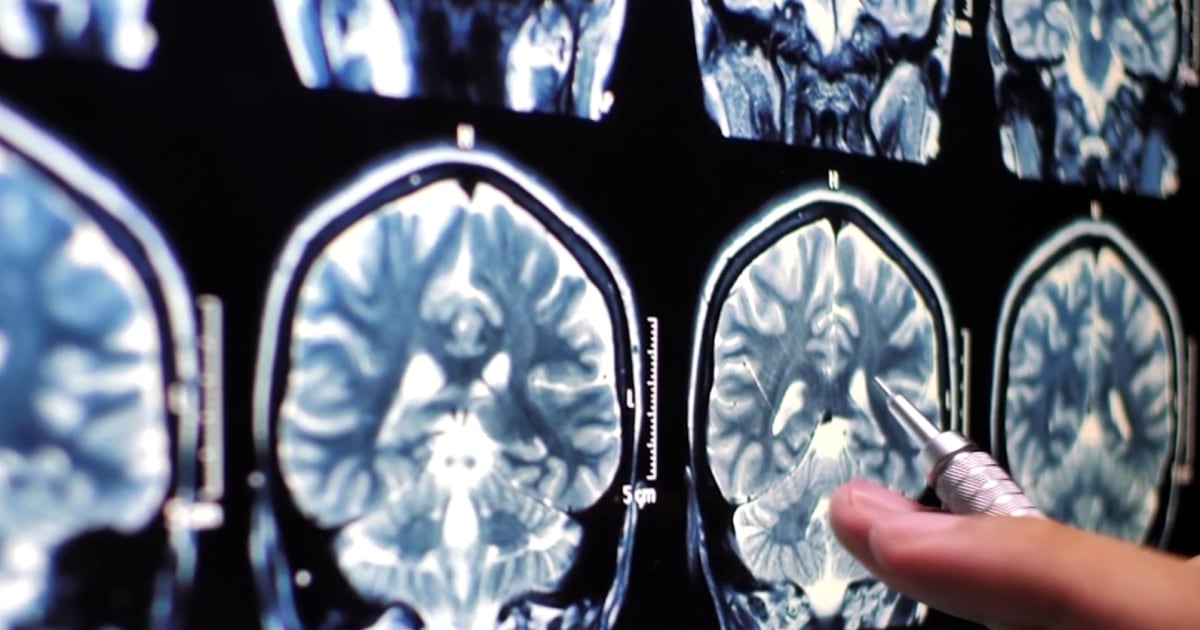
APPLETON, Wis. — A recent study has revealed significant changes in astronauts' brains after extended time in space, raising important questions about the long-term health effects of space travel as humanity eyes deeper missions into the cosmos. Researchers at the University of Antwerp in Belgium, in collaboration with NASA and the European Space Agency, analyzed brain scans of 15 astronauts who spent an average of six months aboard the International Space Station. The findings, published in the journal Science Advances last week, show that microgravity causes a upward shift of brain fluids, leading to enlarged ventricles and potential cognitive impacts.
According to the study's lead author, Floris Wuyts, a professor of biomedical physics at the University of Antwerp, the research provides the first comprehensive look at how zero-gravity environments reshape neural structures over time. "We observed a 5 to 10 percent increase in the volume of the brain's cerebrospinal fluid spaces," Wuyts said in an interview with NBC News. "This isn't just a temporary effect; some changes persist even after returning to Earth." The study used MRI scans taken before, during, and up to seven months after the astronauts' missions, highlighting the gradual nature of these alterations.
The implications could be profound for future endeavors, such as NASA's Artemis program aiming for a return to the Moon by 2026 and eventual Mars missions in the 2030s. Astronauts on a trip to Mars, which could last up to three years round-trip, might face amplified risks, including balance issues, vision impairment, and memory lapses. Officials at NASA acknowledged the study's relevance, with a spokesperson stating, "Understanding these brain changes is crucial for developing countermeasures to protect our crews on longer-duration flights."
Background on space's toll on the human body dates back to the earliest missions. During the Apollo era in the 1960s and 1970s, astronauts reported headaches and disorientation upon re-entry, but advanced imaging wasn't available then. More recent research, including a 2017 study from the same Belgian team, focused on shorter stays and found similar fluid shifts, but the new data extends to longer exposures. "Previous work showed acute effects, but this confirms they're not fully reversible," Wuyts explained, emphasizing the need for ongoing monitoring.
One astronaut featured in the study, who spoke on condition of anonymity due to ongoing NASA protocols, described the sensations during a six-month stint on the ISS in 2022. "It felt like my head was constantly congested, like a bad sinus day that never ended," the astronaut told researchers. Post-mission scans revealed a 7 percent expansion in the lateral ventricles, the brain's fluid-filled cavities, which correlated with reported difficulties in spatial orientation tasks back on Earth.
Experts not involved in the research offered varied perspectives. Dr. Rachel Seidler, a neuroscientist at the University of Florida, praised the methodology but cautioned against overstatement. "The sample size is small—only 15 participants—so we can't generalize to all astronauts yet," Seidler said in a statement to NBC News. "That said, the consistency across individuals is striking and warrants immediate attention from space agencies."
In contrast, some researchers downplay the severity. A report from the Russian space agency Roscosmos, based on their own cosmonaut data, suggests that intensive rehabilitation can mitigate most effects within a year. "Our experience with Mir and ISS missions shows recovery rates above 90 percent for cognitive functions," said a Roscosmos official in a recent briefing. This viewpoint highlights international differences in training regimens, with Russian programs emphasizing pre-flight vestibular exercises more heavily than their American counterparts.
The study also touches on gender differences, noting that female astronauts showed slightly faster recovery in fluid redistribution, possibly due to hormonal factors. Of the 15 participants, eight were men and seven women, spanning missions from 2012 to 2020. NASA has increased female representation in its corps, with women now comprising about 35 percent of active astronauts, a shift that could influence future health protocols.
Broader context includes the growing commercialization of space. Companies like SpaceX and Blue Origin are planning private missions, but regulatory frameworks for crew health remain nascent. The Federal Aviation Administration, which oversees commercial spaceflight, referenced the Belgian study in a recent advisory, urging operators to incorporate brain health screenings. "As more civilians venture into space, we must ensure these risks are communicated clearly," FAA Administrator Mike Whitaker said during a congressional hearing on September 15, 2023.
Countermeasures under exploration include artificial gravity via rotating habitats, pharmaceutical interventions to manage fluid balance, and advanced neuroimaging during flights. The European Space Agency is funding a follow-up project at the Concordia research station in Antarctica, simulating isolation and microgravity-like conditions starting next year. "Antarctica gives us a taste of the psychological and physiological stresses of deep space," said ESA project lead Dr. Jean-François Toussaint.
Public interest in space health has surged with high-profile missions, such as the Inspiration4 all-civilian flight in 2021, where participants underwent similar scans. Data from that mission, shared with researchers, aligns with the Antwerp findings, showing transient but measurable brain volume increases. "It's not just professional astronauts at risk; tourism could expose thousands," noted space policy expert Laura Forczyk of Astralytical, a consulting firm.
Looking ahead, the study underscores the urgency for international collaboration. With the ISS set to retire by 2030, successors like NASA's Gateway lunar outpost will demand resilient crews. Wuyts and his team plan to expand the research to 30 more astronauts, incorporating AI-driven analysis of scan data. "We're on the cusp of multi-year missions; ignoring brain health could ground our ambitions," Wuyts warned.
As space agencies race toward Mars, the human element remains the greatest variable. The Appleton Times reached out to local experts at the University of Wisconsin's space science department, where professor Elena Vasquez commented, "This research reminds us that exploring the stars starts with safeguarding the mind." For now, the study serves as a cautionary beacon, blending excitement for discovery with the sobering realities of the human body in the void.
In related developments, a joint NASA-ESA workshop scheduled for November 2023 in Houston will address these findings, inviting input from private sector leaders. Attendees expect discussions on integrating wearable neuro-monitors into spacesuits, a technology already prototyped by Neuralink and others. The path forward involves not just engineering marvels, but a deeper understanding of our fragile biology.
While the full scope of long-term effects awaits further study, today's revelations propel us closer to sustainable spacefaring. As one veteran astronaut put it in a NASA debrief, "Space changes you—from your bones to your thoughts. We adapt, or we don't go."