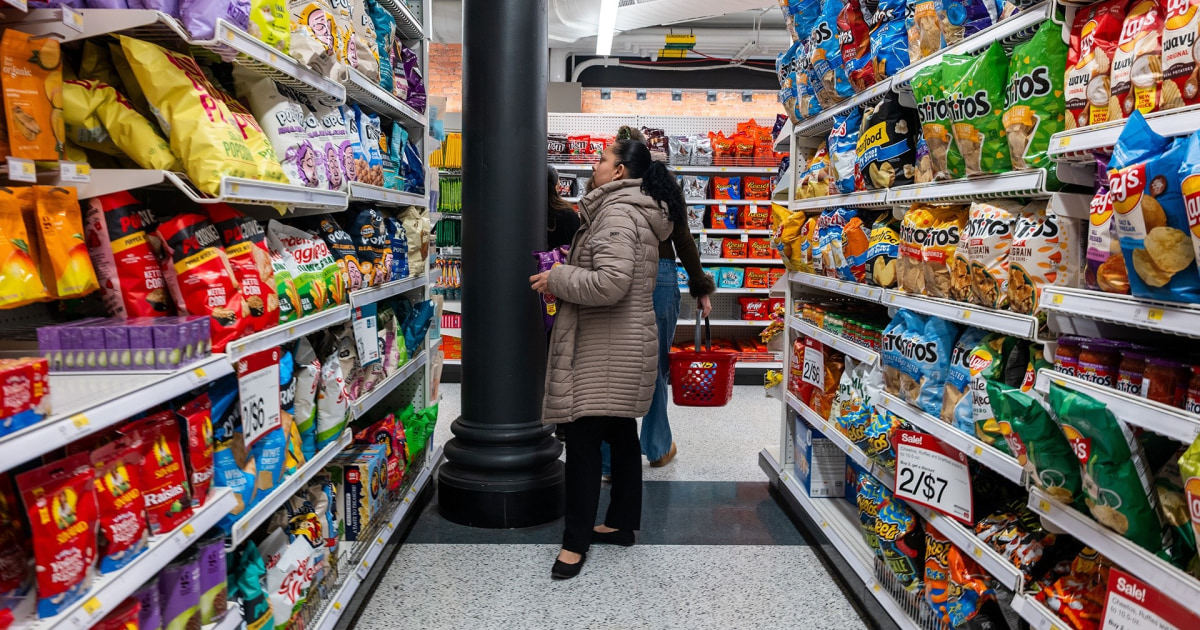
In an era where the rising cost of everyday essentials is weighing heavily on American households, many shoppers are turning to innovative strategies to manage their grocery budgets. According to a recent report from NBC News, the price of staples like ground beef, bacon, chicken breasts, and even sandwich bread has surged across the United States, making groceries the top economic concern for consumers nationwide. This comes as families grapple with inflation that shows no signs of abating, prompting a closer look at how shopping habits can be streamlined to save money.
NBC correspondent Vicky Nguyen, reporting for the TODAY show, delved into the nuances of modern grocery shopping in a segment aired on March 6, 2026. Nguyen explored whether ordering groceries online offers a cost advantage over traditional in-store purchases, highlighting the potential pitfalls and benefits of each method. "The cost of groceries is now Americans’ top economic concern," Nguyen noted in her report, emphasizing how these price hikes are affecting dinner tables from coast to coast.
The segment also shed light on a surprising aspect of retail pricing: variations at the same chain across different locations. For instance, Nguyen's investigation revealed that identical items could cost significantly more or less depending on the city or even neighborhood, a factor often overlooked by busy shoppers. This disparity underscores the importance of comparison shopping, even within familiar brands.
Amid these economic pressures, events like the "Shop Today Stages Returns With Brooke Shields" are providing a welcome distraction and practical advice. The live event, detailed on the TODAY website, offers attendees a chance to engage with celebrity tips on efficient shopping while saving dollars. Brooke Shields, known for her roles in film and television, is set to share insights on streamlining routines, drawing from her own experiences navigating busy lifestyles.
To attend the stages returns, interested participants can visit the official TODAY site for registration details, which include virtual and in-person options. The event ties directly into broader discussions on affordability, as Shields has previously spoken about the challenges of maintaining a household budget in today's economy. "It's all about smart choices," Shields said in a promotional clip, encouraging fans to rethink their approach to weekly errands.
Nguyen's report provided concrete examples to illustrate the online versus in-store debate. In one comparison, she found that delivery fees and service charges for online orders from major retailers like Walmart or Kroger could add up to 10-15% more than the base price, sometimes erasing potential savings from bulk deals. However, for those in urban areas with limited time, the convenience of curbside pickup was praised by several interviewees as a worthwhile trade-off.
Shoppers in rural communities, on the other hand, reported different experiences. According to Nguyen, residents in smaller towns often face higher in-store prices due to transportation costs, making online options from platforms like Amazon Fresh or Instacart more competitive. One Midwestern mother featured in the segment shared, "I used to drive 30 minutes to the nearest store, but now I order online and save on gas—plus, I stick to my list better without impulse buys."
The report also touched on regional price swings, with data showing that a pound of ground beef could cost $4.50 in the Midwest but climb to $6.20 in coastal cities like New York or Los Angeles. These differences, Nguyen explained, stem from supply chain logistics, local taxes, and competition levels. Retail analysts consulted for the piece suggested using apps like Flipp or Ibotta to track these variances in real-time, turning data into dollars saved.
As inflation continues to bite, government officials have weighed in on the issue. A spokesperson from the U.S. Department of Agriculture noted in a recent briefing that food prices rose by 5.8% year-over-year in 2025, with meats and dairy leading the increase. "We're monitoring these trends closely," the official said, adding that subsidies for farmers might help stabilize costs in the coming months.
Consumer advocacy groups echo these concerns, urging shoppers to focus on seasonal produce and store brands to cut expenses. The Consumer Federation of America, in a statement aligned with Nguyen's findings, recommended building meal plans around sales flyers rather than weekly cravings. "Planning ahead can reduce waste and spending by up to 20%," said group director Sarah Butler, who reviewed similar reports.
Looking back, the grocery price surge has roots in the post-pandemic supply disruptions, exacerbated by weather events and global trade tensions. In 2022, similar NBC coverage highlighted initial spikes, but experts now predict a plateau by late 2026 if energy costs ease. For now, though, families like those in Appleton, Wisconsin—where local markets have seen bacon prices jump 12% since January—are adapting with hybrid shopping models.
Local perspectives in Appleton add a community layer to the national story. At the Appleton Farmers Market, vendors report steady foot traffic as residents seek fresher, potentially cheaper alternatives to chain stores. One vendor, Tom Reilly, said, "People are coming back to local for quality and support—it's a win-win." This grassroots shift aligns with Nguyen's advice to mix online deals with in-person bargains.
Beyond individual tactics, broader implications loom for retailers. Chains are responding with loyalty programs and price-matching guarantees, but critics argue these don't always reach low-income households. A study cited in the NBC report from the Brookings Institution found that urban food deserts amplify price inequities, calling for policy interventions like expanded SNAP benefits.
As the "Shop Today" event approaches, it serves as a timely reminder of collective resilience. With Shields at the helm, attendees can expect interactive sessions on apps, lists, and mindset shifts for smarter spending. Nguyen concluded her segment optimistically: "Whether online or in-store, the key is knowledge—empowering yourself with information to shop smarter."
Looking ahead, economists forecast modest relief in grocery prices by mid-2026, but until then, Americans are innovating their way through the aisles, both virtual and physical. Events like the stages returns not only entertain but educate, fostering a dialogue on affordability that resonates far beyond the screen.