BEREA, Ohio — As the 2026 NFL draft approaches, the Cleveland Browns find themselves in a prime position to reshape their roster with two first-round selections at Nos. 6 and 24, making them one of just six teams with multiple picks in the opening round. The Browns' front office, led by general manager Andrew Berry, is navigating a landscape of glaring needs at offensive tackle and wide receiver, while fielding trade inquiries that could alter their draft strategy entirely. With the draft set for late April in a yet-to-be-announced host city, speculation is rife about how Cleveland will deploy these valuable assets to address a season marred by offensive struggles.
The Browns' offensive line, particularly at left tackle, became a glaring weakness during the 2025 campaign, where the team cycled through four different starters due to injuries and subpar play. According to NFL Next Gen Stats, Cleveland's left tackles surrendered a league-worst 16.2% pressure rate and 36 quick pressures, while right tackles weren't much better at 15.3% and 29 quick pressures. This vulnerability exposed quarterback Deshaun Watson to constant duress, contributing to an offense that ranked near the bottom in several key metrics. Wide receiver, meanwhile, was the least productive position group in the NFL last season, totaling just 1,467 receiving yards — a stark contrast to the explosive playmaking the Browns envisioned when acquiring Watson in 2022.
Berry, speaking at his predraft news conference last Thursday in Berea, emphasized a flexible approach to the No. 6 pick, prioritizing value over immediate needs. "I think oftentimes the public discourse on the draft focuses on need," Berry said, "as if NFL teams go into the draft and say, 'Hey, look, I'm just going to pick the best this player, this player because that's how our roster looks today.' When the reality of it is these players, they're longer-term investments for your organization." This philosophy echoes Berry's track record since taking over as GM in 2020, where he's balanced high-upside selections with strategic trades to build depth.
Trade rumors have swirled around the No. 6 overall pick, with sources telling ESPN's Adam Schefter that the Browns have been receptive to calls from other teams. In ESPN draft analyst Mel Kiper Jr.'s final mock draft, Cleveland is projected to swap the No. 6 and No. 39 picks with the Dallas Cowboys for the Nos. 12 and 20 selections, allowing the Browns to potentially target multiple blue-chip prospects without reaching too far. Berry confirmed the team's openness to deals, stating his goal is to "maximize the asset" of the top pick, whether through drafting or trading down for additional capital.
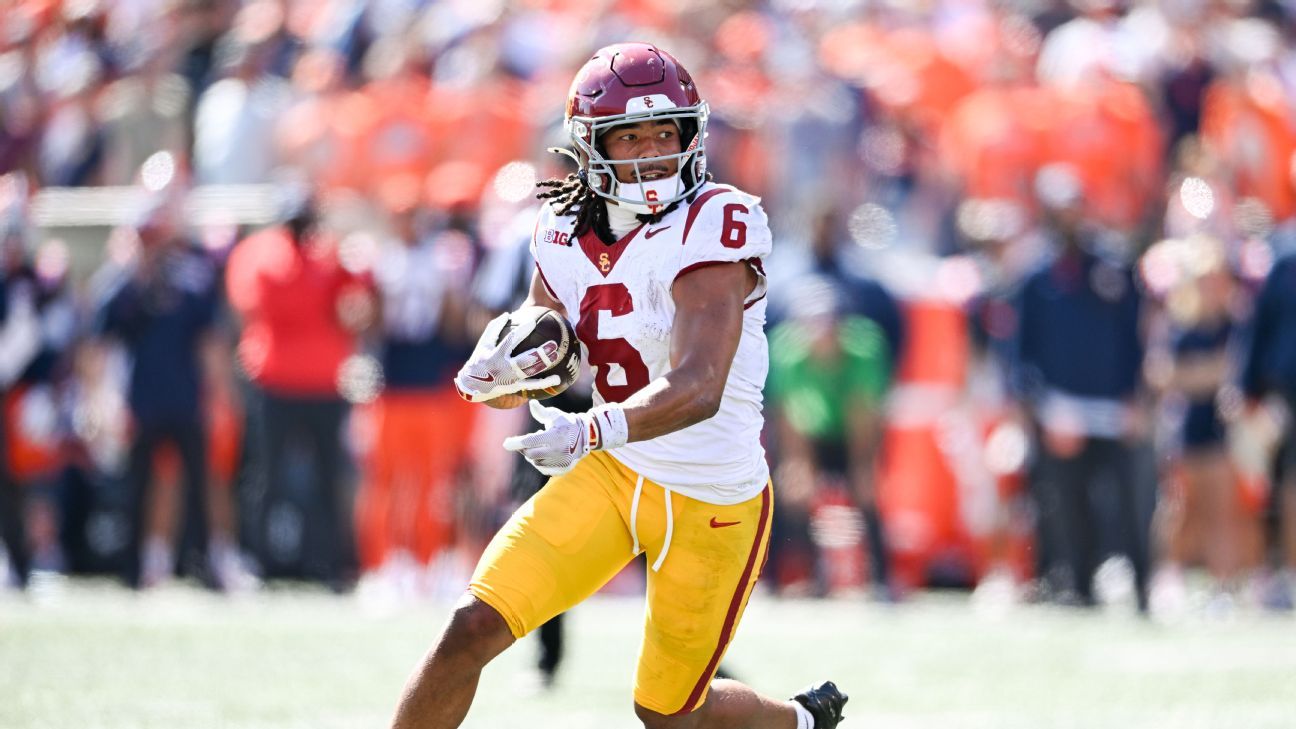
Predraft activities offer clues to Cleveland's intentions. The Browns hosted 30 official visits, with eight wide receivers among the invitees, including top prospects like USC's Makai Lemon (ranked No. 10 on Scouts Inc.'s big board), Arizona State's Jordyn Tyson (No. 12), and Ohio State's Carnell Tate (No. 13). These meetings suggest a strong interest in bolstering the receiving corps, which has lacked a consistent No. 1 option since trading for Amari Cooper in 2022. On the offensive line, visits included Georgia's Monroe Freeling (No. 14 overall) and Alabama's Kadyn Proctor (No. 17), both of whom have experience at left tackle — the position most in need of stability.
Head coach Todd Monken, addressing reporters at the NFL's annual league meetings earlier this month, outlined the traits he's seeking in a wideout. "Big, fast, physical ball skills. Run after catch," Monken said. "I mean, of course, that's what everybody's looking for. But I do think, like any position, looking for a player that — what is their elite trait? How can you continue to develop and round out the rest of their game, and how does it fit into what you want to do offensively?" Monken's vision aligns with an offense that struggled to generate big plays in 2025, finishing with the fewest 20-plus yard receptions in the league.
At tackle, the Browns are eyeing versatile blockers who can handle elite edge rushers. Miami's Francis Mauigoa tops Scouts Inc.'s tackle rankings at No. 5 overall, though he played exclusively at right tackle during his three college seasons. Utah's Spencer Fano, rated fourth among tackles and 19th overall, started his freshman year at left tackle before shifting to the right side. Freeling and Proctor, however, logged significant reps on the left in college. Berry downplayed the importance of college alignments, noting that modern defenses don't confine pass rushers to one side.
"Tackles are tackles," Berry said. "You're looking for certain characteristics because they've all got to be able to protect on an edge. You know, top rushers are not staying [on] one side of the ball. So we really do analyze it within the aggregate position." This mindset guided Berry's first draft as GM in 2020, when he selected Jedrick Wills Jr., a right tackle from Alabama, and successfully transitioned him to the left side in the pros — though Wills' performance has since declined amid injuries.
The decision on whether to prioritize receiver or tackle at No. 6 could hinge on Berry's evaluation of positional depth. Historical data from ESPN Research indicates that wide receivers drafted from 17th to 32nd overall since 1967 have a 24% Pro Bowl hit rate (22 out of 99), slightly edging out offensive tackles at 21% (19 out of 89). In Rounds 2 and 3, the odds dip to 14% for receivers (68 of 463) and 7% for tackles (23 of 290), underscoring the value of striking early for premium talent. This analysis might encourage the Browns to address one need high and the other later, especially with their No. 24 pick providing flexibility.
Beyond Round 1, Cleveland holds selections at No. 39 and No. 70 on Day 2, giving Berry a bundle of assets to maneuver. "When I talk about supply and demand, each draft class, they're comprised of depth and lack of depth at different positions," Berry explained. "When we go into the weekend, I know so much focus is on the first round for every team, but I think generally when teams go into it, they look at, OK, here's our aggregate choices or our selection choices, how do we maximize this bundle of assets?" This holistic view has defined Berry's drafts, including 2025, when the Browns addressed defensive needs first despite offensive holes, selecting tackle Mason Graham and linebacker Carson Schwesinger with their top picks.
Schwesinger, in particular, exemplified Berry's philosophy of chasing elite traits over positional premium. "All positions aren't created equal, but ultimately you are looking for difference-makers and elite-level talent," Berry said. "Perfect example again is Carson last year. Does he play one of the more traditional, like, premium positions? No, but he has a premium skill set in that position and can make a huge difference." Both rookies contributed immediately, with Schwesinger leading the team in tackles and Graham anchoring a run defense that ranked top-five.
Yet, the Browns could deviate from offensive priorities if a defensive standout falls into their lap, mirroring last year's approach. Analysts like Kiper have mocked defensive ends or cornerbacks to Cleveland in various scenarios, highlighting the team's depth at those spots but also the allure of best-player-available strategies. With Watson entering the second year of his massive contract and the Browns holding the 6-11 record from 2025, the pressure is on to accelerate the rebuild around their franchise quarterback.
Looking ahead, the draft's outcome could define the Browns' trajectory for years. A successful haul at receiver and tackle might stabilize the offense, pairing young talent with veterans like Jerry Jeudy and David Njoku. Trades, however, could net more picks to address secondary needs or even pursue free agents post-draft. As Berry and his scouting staff finalize their board this week, all eyes in Cleveland — a city hungry for playoff contention after back-to-back 8-9 seasons — will be on how they turn these picks into the long-term investments Berry champions.
For now, the Browns remain tight-lipped beyond Berry's comments, but the buzz in Berea suggests an aggressive stance. Whether they stand pat, trade down, or surprise with a defensive gem, the 2026 draft represents a pivotal moment for a franchise aiming to return to relevance in the AFC North.