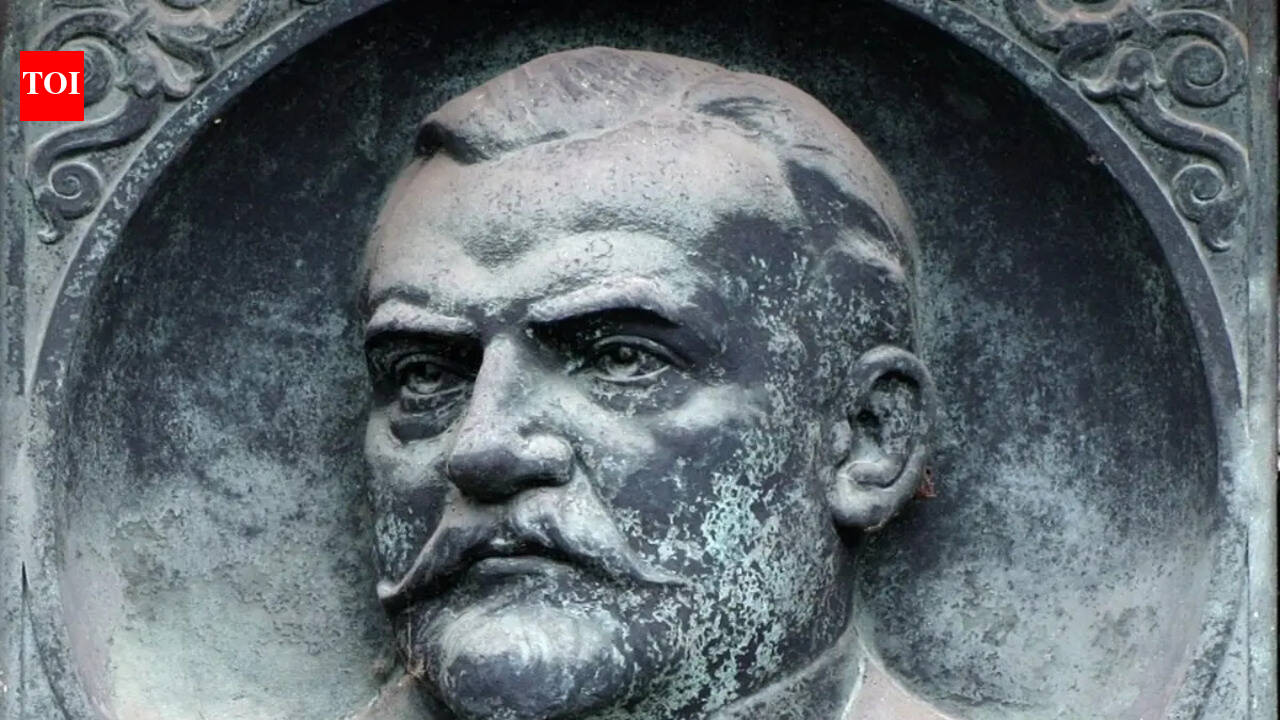
In 1879, chemist C. Fahlberg made a discovery that would reshape the food industry when he accidentally licked his fingers after a day of work and noticed an intensely sweet taste. According to a report from the Times of India Science Desk, this simple moment led to the creation of saccharin, the world's first artificial sweetener.
Fahlberg had been experimenting with coal tar derivatives in his laboratory when the incident occurred following dinner. The chemist reportedly tasted the sweetness on his hands and traced it back to a compound he had synthesized earlier that day. This chance event marked the beginning of a new era in food science, one that continues to influence diets and manufacturing processes today.
Details from the account indicate that Fahlberg was working in the United States at the time, collaborating on various chemical projects. He quickly realized the commercial potential of the substance and began refining the process to produce it on a larger scale. Saccharin proved to be hundreds of times sweeter than sugar while containing no calories, making it an immediate point of interest for food producers.
According to the Times of India report, the discovery came about purely by accident after Fahlberg had finished his evening meal. The sweetness lingered on his fingers from residue left during his experiments. He reportedly rushed back to his workspace to identify the exact compound responsible, confirming its properties through further testing.
Historical records show that saccharin was patented shortly after the 1879 incident. Fahlberg worked with Ira Remsen at Johns Hopkins University on related research, though accounts differ slightly on the level of collaboration involved in the final identification. The Times of India article emphasizes Fahlberg's personal role in recognizing the taste and pursuing its development.
Over the following decades, saccharin found widespread use in products ranging from soft drinks to baked goods. Manufacturers adopted it during sugar shortages in the early 20th century, particularly during World War I and World War II. Its stability under heat and acidic conditions made it suitable for a variety of processed foods.
Officials and industry experts have noted that the invention opened doors to an entire category of non-nutritive sweeteners. Later developments such as aspartame and sucralose built upon the foundation laid by saccharin. The original compound remains in use today, though its popularity has fluctuated with changing health regulations and consumer preferences.
The Times of India Science Desk described the event as a classic example of serendipity in scientific research. Their coverage highlights how Fahlberg's quick thinking transformed an unintended taste into a marketable product. No other sources in the available materials contradict this basic timeline of events from 1879.
Production of saccharin expanded rapidly in the United States and Europe by the 1880s. Companies began marketing it as a sugar substitute for people with diabetes and those seeking to reduce caloric intake. Early advertisements stressed its purity and intense sweetness, often comparing it favorably to natural sugar.
Some historical accounts mention minor disputes over credit for the discovery between Fahlberg and his academic colleagues. The Times of India summary focuses solely on Fahlberg's accidental tasting as the pivotal moment. No conflicting details appear in the provided materials regarding the year or the core circumstances.
Today, saccharin is approved for use in many countries under strict guidelines from food safety authorities. Its long history has allowed extensive study of its safety profile, though debates about artificial sweeteners persist among nutritionists. The original 1879 discovery continues to be cited in discussions of innovation through unexpected observations.
Further context from the report notes that Fahlberg went on to commercialize the sweetener successfully. He established production facilities and secured patents that protected the manufacturing process for years. This business aspect helped embed saccharin into everyday consumer products around the world.
The story of the finger-licking incident has become a well-known anecdote in chemistry circles. It illustrates how routine laboratory work can lead to breakthroughs when combined with careful observation. The Times of India piece presents it as an accessible example of scientific progress for general readers.