WASHINGTON, England — As the United States approaches its 250th anniversary of independence, many Britons say their views of America are now inseparable from President Donald Trump, even as they express admiration for the country’s ambition, culture and military strength.
Interviews conducted by The Associated Press across England and Scotland reveal a consistent pattern. When asked what they think of America now, respondents typically pause before referencing the president. “It’s Trump’s world now, isn’t it?” said Mark Keightley, a printer technician from the Cambridge area.
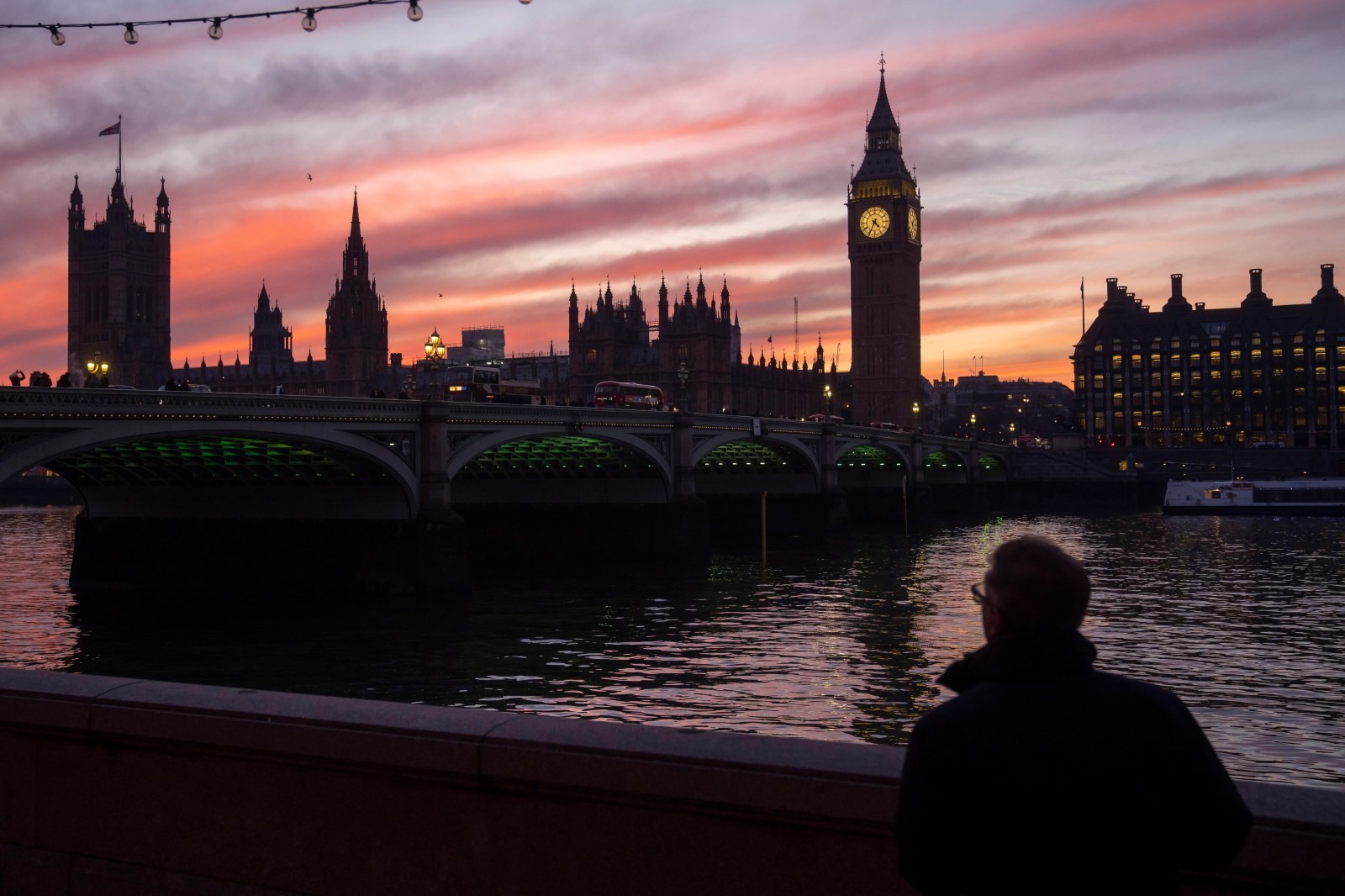
Eddie Boyle of Falkirk, Scotland, echoed the sentiment while walking across Westminster Bridge in London. “My own opinion of America is now dictated by the president and he’s not covering himself in glory as far as I’m concerned,” Boyle said. “It’s a shame that such a long arrangement between the two countries has been tarnished.”
Polls reflect this cooling. A Gallup survey from late summer and early fall 2025 found that only 28 percent of British adults approved of U.S. leadership, while 68 percent disapproved. That figure aligns with views during Trump’s first term and sits below the roughly 45 percent approval recorded under President Joe Biden.
The Pew Research Center’s 2025 Global Attitudes Survey showed about half of U.K. adults held a favorable view of the United States, down from roughly two-thirds in the early Biden years. British observers note that no single leader has so thoroughly shaped perceptions since the nations’ shared history of World War II cooperation and the Reagan-Thatcher partnership that contributed to the Soviet Union’s 1991 collapse.
Historical context adds perspective. Charles Dickens expressed similar disappointment during his 1842 visit, writing that the young republic fell short of his expectations, particularly regarding slavery and what he called a “mean, and paltry, and silly” press. Over time, events such as the War of 1812, America’s Civil War survival, and its role in defeating Nazi Germany helped cement the United States as a lasting power in British eyes.
Recent tensions have centered on Trump’s relationship with British Prime Minister Keir Starmer. Trump reportedly dismissed Starmer as “not Winston Churchill” after the prime minister declined to join U.S. operations against Iran. The president has instead emphasized ties with King Charles, accepting an unprecedented second state visit and a royal dinner at Windsor Castle last year.
During Charles’ subsequent trip to Washington, the monarch described the four-century U.S.-British relationship as “more important today than it has ever been,” while also referencing the importance of checks and balances. The White House responded on social media by calling the pair “TWO KINGS,” a post that drew notice in Britain given the country’s history with the Declaration of Independence.
At a May 11 gala, rock star Rod Stewart told the king within earshot of reporters, “You were superb, absolutely superb, put that little rat bag in his place.” Polls had shown significant domestic opposition to the king’s visit beforehand, yet Charles received praise for his handling of the diplomatic moment amid disagreements over climate policy and Trump’s earlier comments about Canada.
Britons list both admired and puzzling American traits. They cite the nation’s wealth, vastness, entertainment industry and resilience following events such as the Jan. 6, 2021, Capitol insurrection. At the same time, they express bafflement at gun violence, which stands in contrast to Britain’s 1997 handgun ban, and at immigration policies in a country founded by immigrants.
At The Cross Keys pub in Washington, near the ancestral home of the first U.S. president, Mark Gibson questioned how Trump could reach the White House given past bankruptcies and legal issues. “But I guess that’s what people wanted,” Gibson added. “They elected him twice.”
Observers note that discussing these matters remains socially sensitive in Britain, where Brexit divisions remain fresh and populist movements have gained ground in recent local elections. The 250th anniversary of American independence arrives at a moment when the “special relationship” continues to evolve under the weight of current leadership.
Officials and analysts on both sides of the Atlantic say the coming months will test whether longstanding institutional ties can offset personal and political frictions. For now, many Britons describe America through the lens of one man above all others.