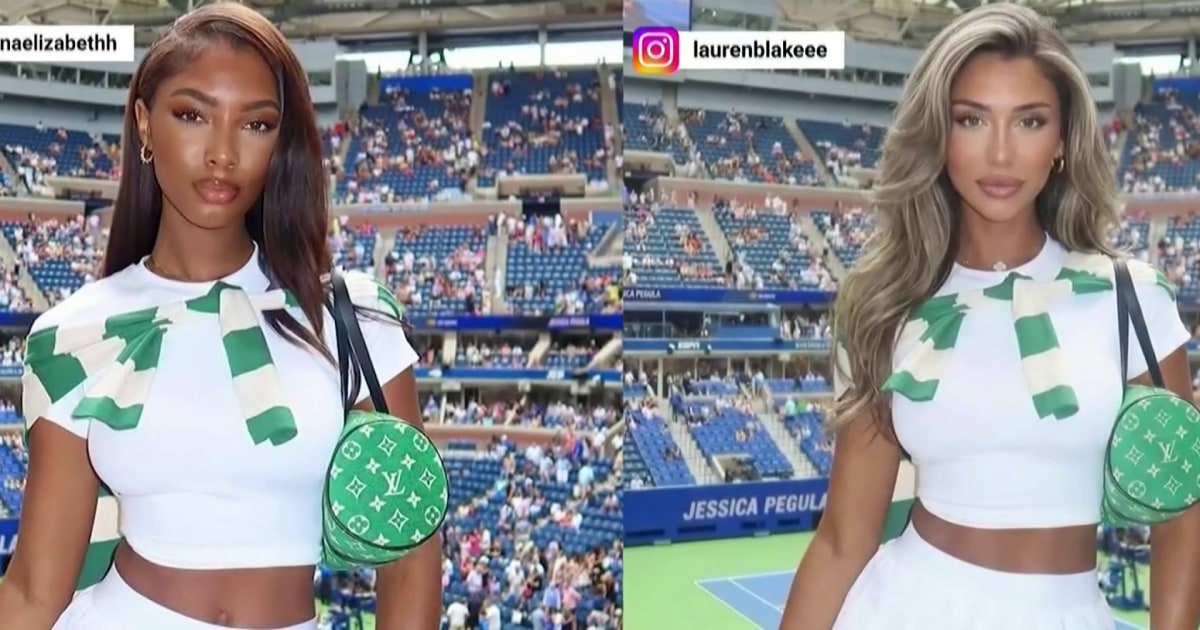
A growing number of social media influencers are claiming that artificial intelligence tools are altering their racial appearances in videos and photos posted online, raising fresh concerns about the unchecked spread of deepfake technology.
According to reports from NBC News, at least one influencer has publicly stated that her race was changed without her consent on major platforms, and she is not the only one experiencing similar issues. The incidents appear to involve AI-driven filters or edits that swap ethnic features in real time or after upload.
NBC News correspondent Gadi Schwartz explained the situation in a segment detailing how these alterations are happening across popular apps. "One influencer says her race was changed on social media by A.I. and she's not alone," Schwartz reported.
The affected creators have described the changes as sudden and inexplicable, often appearing in content they did not edit themselves. Some say the modifications occur when videos are shared or recommended by algorithms, leading to distorted versions circulating widely before the original posters can intervene.
Platform representatives have not yet issued detailed public statements on the specific cases, though general policies on manipulated media exist at companies like Meta and TikTok. Officials at these firms have previously said they are developing detection tools for AI-generated content.
Users who have encountered the altered videos report seeing influencers with features that do not match their known ethnicity, such as skin tone shifts or facial structure changes. These incidents have prompted discussions among digital creators about the need for stronger verification methods.
Experts in digital media note that such AI swaps could stem from third-party editing apps or platform recommendation engines experimenting with generative features. No single company has been directly linked to the changes in the reported cases.
One influencer, speaking to NBC News, described the experience as disorienting and potentially damaging to personal branding. The alterations reportedly appeared in multiple posts over a short period, affecting audience engagement and trust.
Similar complaints have surfaced in online forums where creators share screenshots of the modified content. The trend highlights broader challenges with content authenticity as AI tools become more accessible to everyday users.
Advocacy groups focused on online safety have called for clearer labeling of AI-edited material. They argue that without transparency, viewers may be misled about the identities of public figures.
According to the NBC News coverage, the issue extends beyond isolated incidents, suggesting a pattern that could impact how audiences perceive authenticity on social platforms. Schwartz's report emphasized the growing prevalence of these claims among influencers.
Tech analysts say detection remains difficult because the changes can be subtle and integrated into existing video streams. Companies are reportedly investing in watermarking and forensic analysis to address the problem.
The incidents come amid rising regulatory scrutiny of AI in media, with lawmakers in several countries considering rules for disclosure of synthetic content. Influencers affected by the race swaps have urged platforms to investigate promptly.
As more creators come forward, the conversation is shifting toward accountability for AI misuse on social networks. Observers expect further developments as investigations into the specific tools involved continue.