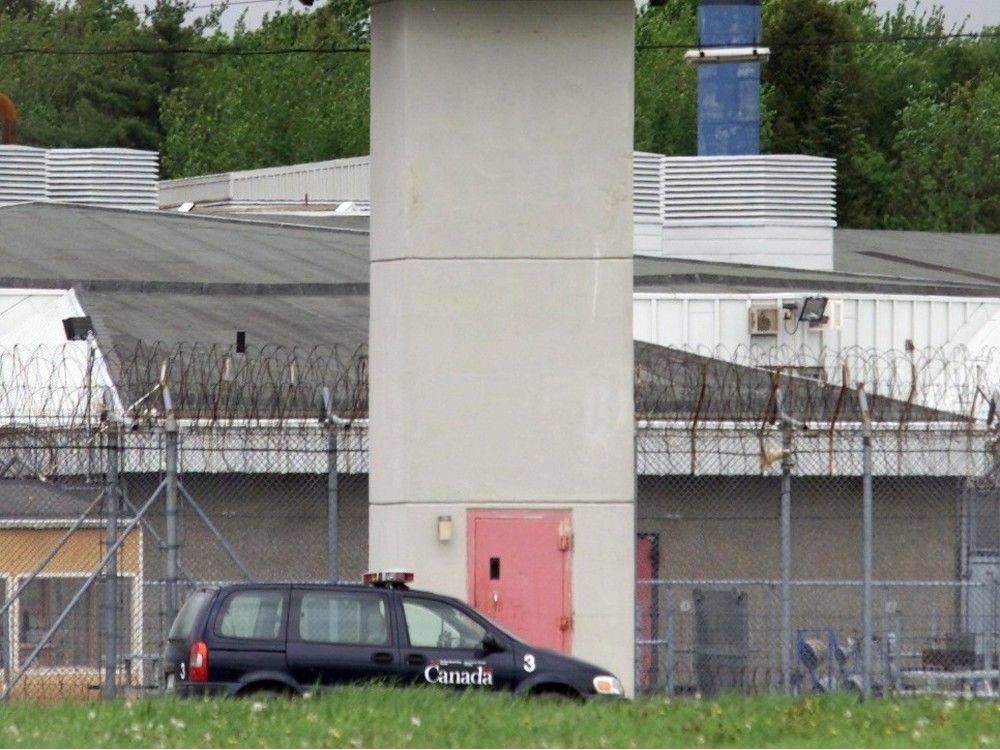
QUEBEC CITY — An inmate at the Donnacona Institution, a maximum-security federal prison in Portneuf, Quebec, died early Tuesday morning following a violent altercation with another prisoner late Monday night. The incident, which unfolded around 10 p.m., has prompted an investigation by the Sûreté du Québec, the provincial police force, as authorities work to piece together the circumstances surrounding the death.
According to Béatrice Dorsainville, a spokesperson for the Sûreté du Québec, both the victim and the suspect were inmates in their 20s. The altercation occurred within the confines of the prison, located approximately 45 kilometers west of Quebec City. Following the fight, one of the men was rushed to a nearby hospital, where he succumbed to his injuries. Details about the nature of the confrontation remain limited, as police have withheld specifics to avoid compromising the ongoing probe.
"The suspect was rapidly identified and isolated," Dorsainville said in a statement to reporters. She emphasized that the individual would soon meet with investigators to provide a formal account of the events. While the exact cause of death has not been publicly disclosed, officials confirmed that medical personnel were unable to save the man despite prompt intervention.
The Donnacona Institution, operated by Correctional Service Canada, houses some of Canada's most high-risk offenders, including those convicted of serious violent crimes and organized crime affiliations. Built in the late 1970s, the facility has a capacity for around 400 inmates and is known for its stringent security measures. However, it has not been immune to violence, as evidenced by a similar tragedy just months earlier.
Last July, another inmate at Donnacona died after being assaulted by fellow prisoners, according to police reports at the time. That incident, which also involved multiple assailants, highlighted ongoing concerns about inmate safety within the maximum-security environment. While investigations into that death concluded without charges in some cases, it underscored the challenges of maintaining order in such facilities.
In the current case, Dorsainville addressed speculation about potential links to organized crime groups, which have been a persistent issue in Quebec's prison system. "Police could not confirm whether the altercation was linked to organized crime, but that 'it doesn’t seem to be the case as of now,'" she stated. This preliminary assessment aims to reassure the public that the incident may stem from personal disputes rather than broader criminal networks, though investigators continue to explore all angles.
Dorsainville declined to elaborate on the specifics of the fight, citing the need to protect the integrity of the investigation. "She said police could not confirm... further information around the circumstances of the incident," according to reports from the scene. This reticence is standard protocol in sensitive cases involving correctional facilities, where details could influence inmate morale or public perception.
Correctional Service Canada, the federal agency responsible for the prison's operations, has been contacted for comment but had not responded by late Tuesday. In past incidents, the agency has emphasized its commitment to inmate welfare and the implementation of de-escalation programs. However, critics, including prisoner rights advocates, have long argued that overcrowding and limited resources contribute to such violent outbreaks.
The death marks at least the second fatal incident at Donnacona in less than a year, raising questions about the efficacy of current security protocols. In the July case, authorities described the assault as stemming from a spontaneous brawl, much like the current situation appears to be. Both events occurred during evening hours, when supervision might be stretched thin across the facility's multiple units.
Quebec's prison system has faced scrutiny in recent years amid a rise in gang-related activities behind bars. Reports from the provincial ombudsman have pointed to increasing tensions between rival factions, often spilling over into physical confrontations. While Donnacona is a federal institution, it operates within this broader context, where inmates from across Canada are housed together.
Local residents in Portneuf, a rural area dotted with farmland and small communities, expressed concern over the news. "It's unsettling to think about what goes on there," said Marie Leclerc, a longtime resident who lives a few kilometers from the prison. "We hear sirens sometimes, but this is too close to home." Leclerc's comments reflect a common sentiment in areas adjacent to correctional facilities, where security incidents can heighten community anxiety.
As the investigation progresses, forensic teams are expected to examine the scene within the prison for any additional evidence, such as makeshift weapons or signs of prior animosity between the inmates. The Sûreté du Québec has indicated that autopsy results could provide crucial insights into the victim's injuries and the sequence of events. Meanwhile, the isolated suspect remains under heightened supervision, with potential charges ranging from assault to manslaughter pending further review.
Beyond the immediate facts, this incident sheds light on the broader challenges facing Canada's correctional system. With federal prisons operating at near capacity—over 95 percent according to recent government data—experts say that strained resources can exacerbate conflicts. "Inmate-on-inmate violence is a symptom of deeper systemic issues," noted criminologist Dr. Elena Vasquez in a recent interview with Canadian media, though she was not directly involved in this case.
Prison reform advocates, such as those from the John Howard Society of Canada, have called for increased funding for mental health services and conflict resolution training. In a statement following similar incidents, the organization highlighted how untreated trauma among inmates often fuels aggression. While not commenting specifically on the Donnacona death, their ongoing advocacy underscores the human cost of such oversights.
Looking ahead, the outcome of this investigation could influence policy discussions at both federal and provincial levels. If organized crime ties are ruled out, as preliminarily suggested, attention may shift toward interpersonal dynamics and the need for better intervention strategies. Families of the victim, whose identity has not been released pending notification, await answers amid a process that could take weeks or months.
For now, the Donnacona Institution continues its operations under a cloud of vigilance. Staff have reportedly been briefed on enhanced monitoring, and visitation protocols may be temporarily adjusted. As Quebec authorities navigate this latest tragedy, the focus remains on ensuring justice for the deceased while preventing future losses in one of the province's most secure yet troubled facilities.