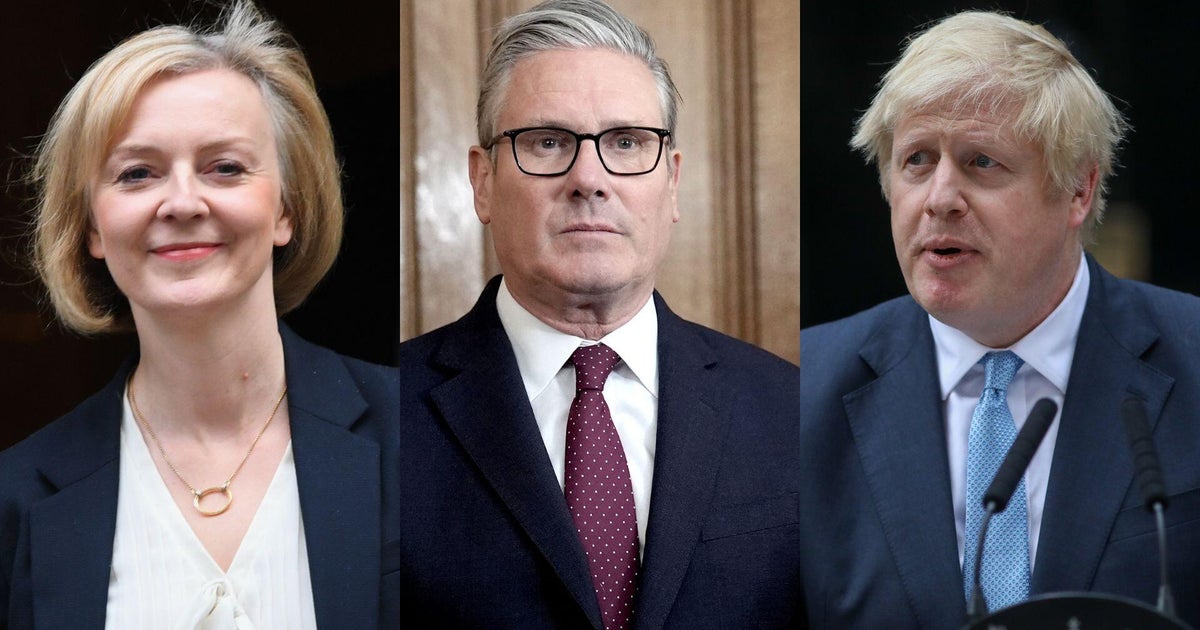
British Prime Minister Keir Starmer is facing mounting pressure to resign amid a deepening leadership crisis that has already seen the United Kingdom cycle through six prime ministers in less than a decade. According to reports from CBS News, the political instability could soon lead to a seventh leader if calls for Starmer's departure gain further traction within his own Labour Party and among opposition ranks.
The United Kingdom has had six leaders in less than 10 years, and it could be headed for a seventh as British Prime Minister Keir Starmer faces growing pressure to step aside. Officials close to the government have described the situation as one of the most turbulent periods in recent British political history, with economic challenges and internal party divisions compounding the difficulties.
Starmer, who took office following Labour's victory in the July 2024 general election, has reportedly encountered resistance from backbench MPs over policy decisions and leadership style. "The prime minister is under significant strain," one unnamed party source told CBS News in the video report. Critics argue that rapid changes in direction on key issues like taxation and immigration have eroded public confidence.
Background on the recent string of leaders includes David Cameron, who resigned after the 2016 Brexit referendum, followed by Theresa May, Boris Johnson, Liz Truss, and Rishi Sunak. Each transition brought its own set of controversies, from Brexit negotiations to economic mini-budgets that rattled markets. Starmer's tenure, now in its early months, appears to be following a similar pattern of short-lived stability.
Opposition figures have been quick to capitalize on the unrest. Conservative Party leaders have called for an immediate vote of no confidence, claiming that Starmer lacks the mandate to govern effectively. "This government is in disarray from day one," a Conservative spokesperson stated in remarks covered by the CBS report.
Within Labour, some members are reportedly discussing potential successors, though no formal challenge has been launched yet. The situation echoes previous internal revolts that toppled earlier prime ministers. According to the CBS News account, anonymous aides suggest Starmer is working to shore up support through private meetings and policy adjustments.
Public opinion polls, as referenced in the coverage, show declining approval ratings for the prime minister, with voters expressing frustration over cost-of-living pressures and public service strains. These factors have fueled speculation about an early general election if the crisis deepens.
International observers are watching closely, given Britain's role in global affairs including NATO commitments and trade relations. European Union officials have expressed concern that prolonged instability could affect ongoing negotiations on post-Brexit arrangements.
Starmer's office has pushed back against the resignation rumors, emphasizing a commitment to delivering on campaign promises. "The prime minister remains focused on the job at hand," a Downing Street statement said, according to the CBS video summary.
Analysts note that the frequency of leadership changes since 2016 reflects deeper divisions over Brexit and economic policy that continue to shape British politics. This latest episode adds to a narrative of volatility that has become a hallmark of Westminster in recent years.
As the story develops, attention turns to whether Starmer can stabilize his position or if further defections will force a change. The coming weeks are expected to bring more clarity on the prime minister's future.