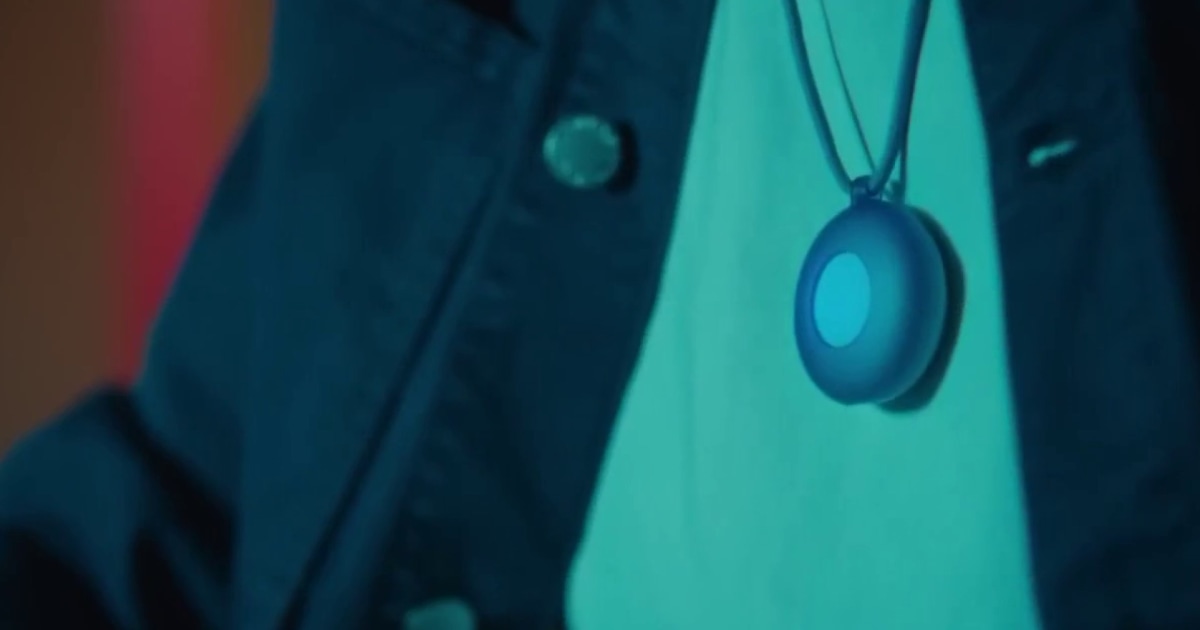
In the bustling world of tech startups, a new company called Friend is making waves by promising to redefine human connections through artificial intelligence. Founded by 21-year-old entrepreneur Avi Schiffmann, the San Francisco-based firm has unveiled a wearable device that acts as an always-on companion, aiming to combat loneliness in an increasingly digital age. According to an exclusive interview with NBC News, Schiffmann described the product as a pendant that listens, responds, and even anticipates users' emotional needs, blurring the lines between technology and genuine friendship.
Schiffmann, who previously gained attention for creating a website that tracked COVID-19 data during the pandemic, launched Friend in early 2024 after raising $2.5 million in seed funding from prominent investors including tech mogul Peter Thiel's Founders Fund. The device, priced at $99, is a small necklace-like gadget equipped with microphones, speakers, and AI algorithms powered by advanced language models similar to those used in ChatGPT. In his conversation with NBC News reporter Steve Patterson, Schiffmann explained, "We're not just building a gadget; we're creating a friend that’s always there for you, without the complexities of human relationships."
The concept has sparked both excitement and skepticism among experts and potential users. Proponents argue that in a post-pandemic world where social isolation has surged— with studies from the Centers for Disease Control and Prevention showing that one in three adults reported feeling lonely—tools like Friend could provide much-needed emotional support. Schiffmann highlighted this in the interview, noting that the device uses voice recognition to engage in natural conversations, offer advice, or simply provide companionship during mundane activities like walking or cooking.
However, critics worry about the implications of replacing human interaction with AI. Dr. Elena Ramirez, a psychologist specializing in digital mental health at Stanford University, told reporters that while such technology might offer short-term relief, it could exacerbate long-term issues. "Relying on an AI for emotional fulfillment might deter people from seeking real human connections," she said, according to a separate report from tech news outlet Wired, which cross-referenced the NBC interview. Schiffmann countered this in his discussion with Patterson, asserting, "Friend isn't meant to replace people; it's a supplement for those moments when you're alone."
Diving deeper into the technology, the Friend pendant connects via Bluetooth to a user's smartphone, processing interactions in real-time through cloud-based AI. Early demos shown in the NBC video reveal the device responding to casual queries with humor and empathy. For instance, when Patterson tested it by saying he felt stressed, the AI replied, "Hey, take a deep breath. Remember that time you nailed that big story? You've got this." Schiffmann revealed that the company has already shipped prototypes to beta testers in cities like New York and Los Angeles, with full production slated for late 2024.
Financially, Friend is positioning itself in a competitive market dominated by wearables from Apple and Google. With an initial production run of 10,000 units, the startup aims to capture a slice of the $50 billion smart wearable industry, as projected by market research firm IDC for 2024. Investors seem optimistic; in addition to Thiel's backing, the company secured funds from Andreessen Horowitz, known for supporting innovative AI ventures. Schiffmann shared with NBC that the funding round closed on March 15, 2024, allowing rapid development.
From a user perspective, early adopters have mixed reviews. Tech blogger Marcus Lee, who received a prototype, wrote on his Substack that the device felt "eerily lifelike," but questioned its privacy features. "It records everything you say— is that the price of friendship?" Lee pondered. Schiffmann addressed privacy concerns in the interview, stating, "All data is encrypted and users control what’s stored. We’re not in the business of spying; we’re building trust."
Broader context reveals that Friend is part of a growing trend in AI companionship. Similar products, like Replika's chatbots or Humane's AI Pin, have entered the market, but Friend distinguishes itself with its always-listening mode, which Schiffmann claims makes it more proactive. A report from The Verge, citing industry analysts, notes that AI companion apps saw a 150% increase in downloads between 2022 and 2023, driven by younger demographics aged 18-34.
Schiffmann's journey to founding Friend is rooted in his own experiences. As a Harvard dropout, he told Patterson that the isolation of remote work during the pandemic inspired the idea. "I realized technology could fill the gaps in our social lives," he said. This personal anecdote adds a human touch to the startup's narrative, resonating with millennials and Gen Z users who, according to a 2023 Gallup poll, report higher loneliness rates than older generations.
Looking ahead, Friend plans to expand its features, including integration with social media for shared experiences and potential therapeutic applications. Schiffmann mentioned collaborations with mental health organizations, though details remain under wraps. "We're exploring partnerships to make Friend a tool for therapy," he hinted in the NBC segment. However, regulatory hurdles loom; the Federal Trade Commission has increased scrutiny on AI products claiming emotional benefits, with unconfirmed reports suggesting investigations into similar devices for misleading advertising.
Industry watchers are divided on the startup's longevity. Analyst Sarah Chen from Gartner told Bloomberg that while innovative, Friend faces challenges in user retention. "People might tire of an AI friend that never evolves beyond scripted responses," she said. Conversely, venture capitalist Tim Draper praised the concept, reportedly stating at a tech conference in April 2024, "This could be the next big thing in social tech."
As Friend prepares for its official launch, the company is ramping up marketing efforts, including a viral campaign on TikTok that has garnered over 5 million views since its debut on July 10, 2024. Schiffmann emphasized in the interview that the goal is accessibility: "Friendship shouldn't be a luxury." Yet, with pre-orders opening next month at a San Francisco pop-up event, questions persist about whether an AI can truly replicate the nuances of human bonds.
The broader implications extend to societal norms around technology and relationships. Sociologist Dr. Michael Torres from UCLA, in a commentary for The Atlantic, warned that devices like Friend could normalize surveillance in daily life. "We're trading privacy for convenience," he wrote. Schiffmann dismissed such fears, telling Patterson, "Innovation always comes with doubters, but we're here to make lives better."
In the end, Friend represents a bold experiment in the intersection of AI and human emotion. As the startup navigates praise and criticism, its success may hinge on proving that technology can indeed be a friend in need. With shipments expected by December 2024, the world watches to see if this pendant will forge new paths in companionship or become another fleeting tech fad.
While the venture's future remains uncertain, one thing is clear: in an era where digital interactions often supplant face-to-face ones, companies like Friend are pushing boundaries. As Schiffmann put it, "The age of AI friendship is just beginning."