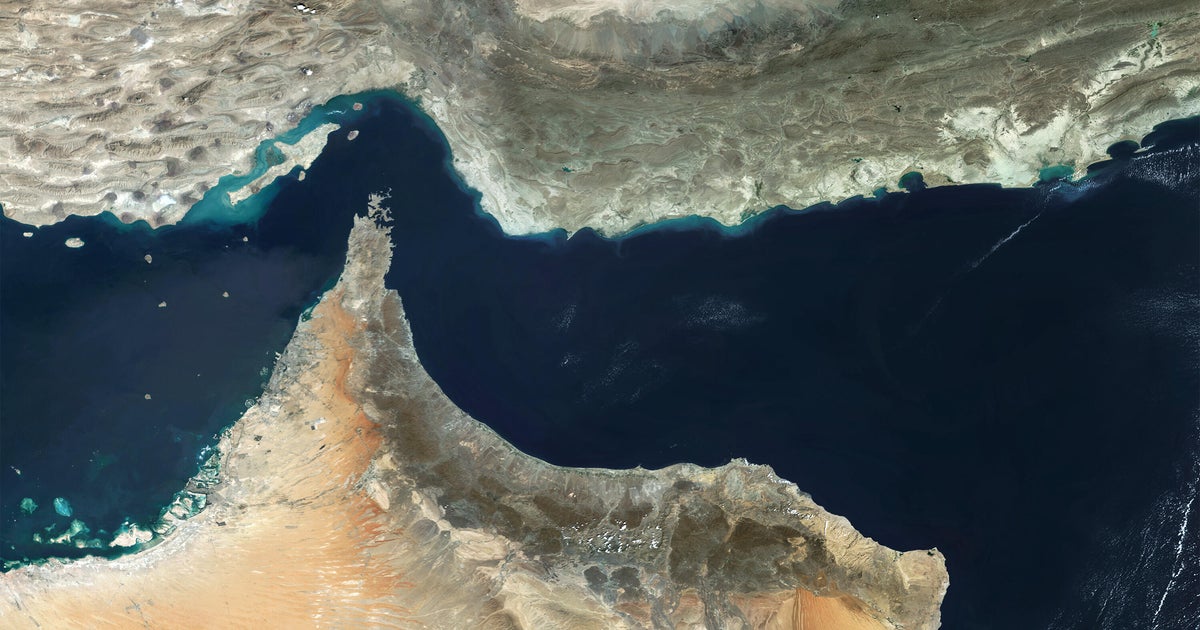
In a historic move to combat soaring energy prices amid escalating global tensions, the International Energy Agency (IEA) announced on Wednesday that it would release 400 million barrels of oil from its member countries' emergency reserves. This unprecedented release, the largest in the organization's 50-year history, aims to stabilize markets disrupted by the ongoing Iran War, which has effectively closed the Strait of Hormuz—a vital chokepoint for global oil shipments.
The Strait of Hormuz, located between Iran and Oman, typically facilitates the passage of about one-fifth of the world's oil supply, roughly 21 million barrels per day. Since the outbreak of the Iran War earlier this year, naval blockades and military actions have rendered the waterway impassable, forcing oil tankers to reroute through longer, more costly paths around Africa or through alternative pipelines with limited capacity. The closure has sent shockwaves through energy markets, driving Brent crude prices above $100 per barrel for much of the past month and contributing to inflation pressures in economies worldwide.
IEA Executive Director Fatih Birol addressed the decision in a statement from the agency's Paris headquarters, emphasizing the urgency of the situation. "The current disruptions to global oil flows pose a severe threat to energy security," Birol said. "This coordinated release from strategic petroleum reserves will help bridge the supply gap and provide immediate relief to consumers and industries alike." The reserves, stockpiled by IEA members including the United States, Japan, and several European nations, are designed precisely for such emergencies, with the U.S. alone contributing over 500 million barrels to the collective pool.
The announcement follows weeks of closed-door consultations among IEA's 31 member countries, triggered by the intensification of the Iran War in late summer. Reports indicate that Iranian forces seized control of the strait in July, citing security concerns amid U.S. and allied naval deployments in the Persian Gulf. While Iran has not officially declared the closure permanent, shipping insurance rates have skyrocketed, and major oil exporters like Saudi Arabia and the United Arab Emirates have seen their exports halved as a result.
Market analysts reacted swiftly to the news, with oil futures dropping more than 5% in after-hours trading on Wednesday. Hamad Hussein, a climate and commodities economist at Capital Economics, an investment advisory firm based in London, provided insight into the potential impacts in a note to clients. "On the face of it, a large release of strategic reserves from the IEA would help to bring prices down," Hussein wrote. He added that oil prices had already "fallen back below $100 per barrel this week following discussions that the IEA was considering releasing oil reserves."
However, Hussein cautioned that the relief might be temporary. "Whether lower oil prices could be sustained depends on how the conflict evolves," he noted, pointing to the uncertainty surrounding diplomatic efforts to reopen the strait. U.S. Secretary of State Antony Blinken, speaking at a press conference in Washington on Tuesday, echoed this sentiment, stating that negotiations with Iranian officials through back channels in Geneva were ongoing but fragile. "We remain committed to de-escalation, but the safety of global energy supplies cannot wait," Blinken said.
The IEA's decision draws on precedents from past crises, such as the 1991 Gulf War and the 2011 Libyan civil war, when coordinated releases totaling around 200 million barrels helped avert deeper economic fallout. This time, the scale is double that, reflecting the broader scope of the current disruption. According to IEA data, the 400 million barrels represent about 4% of global daily consumption, enough to cover shortfalls for several weeks if distributed effectively.
Environmental groups have expressed mixed reactions. While welcoming the potential for lower fuel prices at the pump—which could ease household budgets strained by costs averaging $4.50 per gallon in the U.S.—organizations like Greenpeace have criticized the move as a band-aid solution that perpetuates reliance on fossil fuels. "Releasing strategic reserves is a short-term fix that ignores the long-term climate crisis," said Jennifer Morgan, executive director of Greenpeace International, in a statement released Thursday. She urged IEA members to accelerate investments in renewable energy instead.
On the geopolitical front, the release has implications beyond energy markets. Russia, a major oil producer and non-IEA member, has reportedly increased its exports to Asia via the Arctic route to capitalize on high prices, according to shipping trackers from Bloomberg. Iranian state media, meanwhile, dismissed the IEA action as "economic warfare," with Foreign Minister Hossein Amir-Abdollahian claiming in a televised address that Tehran's control of the strait was a defensive measure against "aggressors."
Consumers in Appleton, Wisconsin, and across the Midwest are already feeling the pinch. Local gas stations reported average prices of $4.20 per gallon on Wednesday, up 20% from a year ago, according to AAA data. "Families here are cutting back on everything to afford the drive to work," said Tom Reilly, owner of Reilly's Fuel Stop in Appleton. "Anything that brings prices down, even a little, will be a godsend."
The IEA plans to distribute the oil through commercial channels, with initial shipments expected to reach refineries in Europe and Asia within days. Coordination with OPEC+ producers is also underway, though sources close to the talks say progress is slow due to differing interests. Saudi Arabia's energy minister, Prince Abdulaziz bin Salman, indicated in a Riyadh briefing that the kingdom would maintain production cuts to support prices, potentially offsetting some of the IEA's efforts.
Economists warn that prolonged closure of the Strait of Hormuz could shave up to 1% off global GDP growth next year, per estimates from the International Monetary Fund. Inflation, already hovering at 7% in the eurozone and 8% in the U.S., could climb higher if supply chains remain disrupted. Federal Reserve Chair Jerome Powell, testifying before Congress on Wednesday, highlighted energy costs as a key factor in recent rate hike decisions, adding, "Stabilizing oil markets is crucial for our inflation fight."
As the Iran War enters its fourth month, with no clear end in sight, the IEA's release underscores the interconnectedness of global security and energy. Diplomatic initiatives, including a proposed UN Security Council resolution for a ceasefire, are slated for discussion in New York next week. Meanwhile, military analysts report increased U.S. carrier group presence in the Indian Ocean as a deterrent.
This story is developing, with IEA officials promising further updates on allocation details by Friday. For residents and businesses navigating these turbulent times, the hope is that this massive infusion of oil will provide not just economic breathing room, but a step toward resolving the underlying conflict threatening the world's energy lifeline.