WASHINGTON — A U.S. military blockade of Iran's ports, now in its second month, is squeezing Tehran's oil exports and threatening its economic lifeline, but experts and Western officials say the Iranian regime could endure the pressure for several months without facing an immediate crisis or severe damage to its oil infrastructure.
The blockade, imposed in late September amid escalating tensions over Iran's closure of the Strait of Hormuz, was touted by President Donald Trump as a swift blow to Iran's energy sector. Speaking to reporters last month, Trump warned that without the ability to export its oil, Iran's infrastructure could "explode" within three days. "If they don’t get their oil moving, their whole oil infrastructure is going to explode," he said.
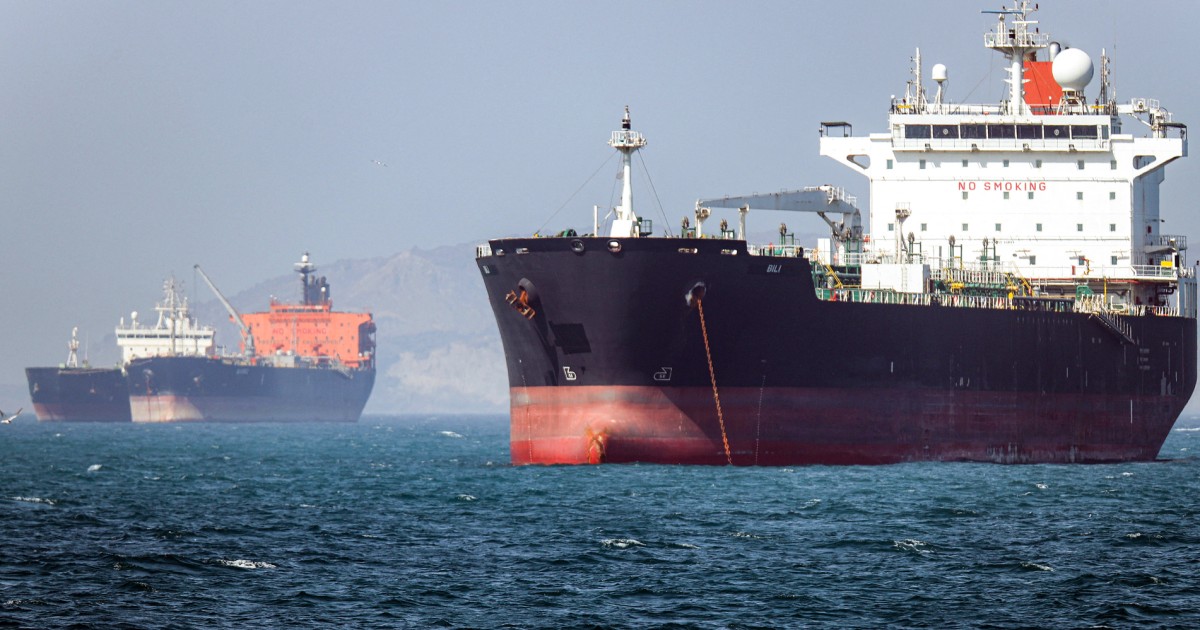
That dire prediction has not come to pass. Instead, Iran has adapted by scaling back production and relying on domestic consumption and pre-existing stockpiles, according to energy analysts. The naval operation has successfully halted dozens of Iranian tankers from navigating the Strait of Hormuz, a vital chokepoint for global oil shipments that handles about 20 percent of the world's seaborne crude.
Administration officials maintain that the blockade's goal is to starve Iran of revenue from its oil sales, which account for the bulk of the government's budget, and compel Tehran to reopen the strait and return to nuclear negotiations on U.S. terms. In a phone interview with NBC News on Friday, Trump emphasized U.S. dominance in the region. "We really control it; they don’t. And we’ve taken the business away from them," he said, adding, "There are ‘no boats going into Iran.’ They’re dying."
Yet, two Western officials familiar with intelligence assessments told NBC News that while the blockade will eventually inflict serious economic harm, Iran is unlikely to suffer a major breakdown in the short term. Energy industry analysts echoed this view, noting Iran's history of weathering U.S. sanctions.
Robin Mills, a fellow at Columbia University’s Center on Global Energy Policy and CEO of Qamar Energy, an energy consulting firm, explained that Iran can mitigate the impact by refining and using much of its oil domestically. "They’re going to have to shut down about half of their production. They can keep producing because they can refine it domestically," Mills said.
Before the blockade took effect, Iran was loading approximately 11 million barrels of oil onto tankers each week. That figure has dropped to between 6 million and 8 million barrels per week, according to Gregory Brew, an Iran expert at the Eurasia Group think tank. Brew highlighted Iran's prior experience with production cuts, pointing to two instances in the past 15 years when U.S. sanctions forced similar reductions.
"I don’t think it’s going to do tremendous damage to their infrastructure," Brew said. "They know how to do this. They’ve done it before."
Adding to Iran's buffer, the country had sold substantial volumes of oil at premium prices in the lead-up to the blockade and currently has about 30 million barrels en route to buyers in Asia, providing a financial cushion, Brew noted. This stockpiled revenue could help offset immediate losses as the blockade persists.
Over the longer term, however, the effects are expected to mount. Without export income, Iran's government budget will face shortfalls, exacerbating inflation and raising the costs of imported goods, which now must travel overland routes at greater expense. Analysts predict that within the next two months, Iran may exhaust its storage capacity for excess oil, potentially forcing temporary shutdowns of some wells.
Despite these pressures, the regime's resilience is well-documented. Western officials and experts pointed to Iran's ability to absorb severe economic shocks in the past, as long as its core power structures remain intact. The current leadership, increasingly influenced by hard-line elements of the Islamic Revolutionary Guard Corps, appears firmly in control, they said.
"Presumably, they could carry on like this for months based on what they’ve done in the past," Brew observed.
The blockade's broader ramifications extend beyond Iran. The closure of the Strait of Hormuz has disrupted global energy markets, driving up oil prices and complicating supply chains for U.S. allies in Europe and Asia. U.S. naval forces have been patrolling the area since the operation began, escorting friendly vessels while intercepting Iranian shipments.
It remains uncertain whether the mounting economic pain in Iran will translate into concessions at the negotiating table. Tehran has shown little public inclination to yield, viewing the blockade as economic warfare. Meanwhile, the Trump administration faces its own pressures, as prolonged disruptions in the strait could harm the U.S. economy and strain international relations.
As the standoff enters its next phase, questions linger about President Trump's patience for a drawn-out campaign. In his recent comments, he portrayed the situation as a clear U.S. victory, but analysts caution that Iran's adaptability could prolong the crisis. For now, the regime in Tehran appears poised to hunker down, drawing on lessons from years of sanctions to navigate the blockade's challenges.
The situation underscores the high stakes in the U.S.-Iran confrontation, where economic levers are being tested against a backdrop of geopolitical maneuvering. With oil markets volatile and diplomatic channels quiet, the coming months will reveal whether the blockade achieves its objectives or entrenches the divide further.