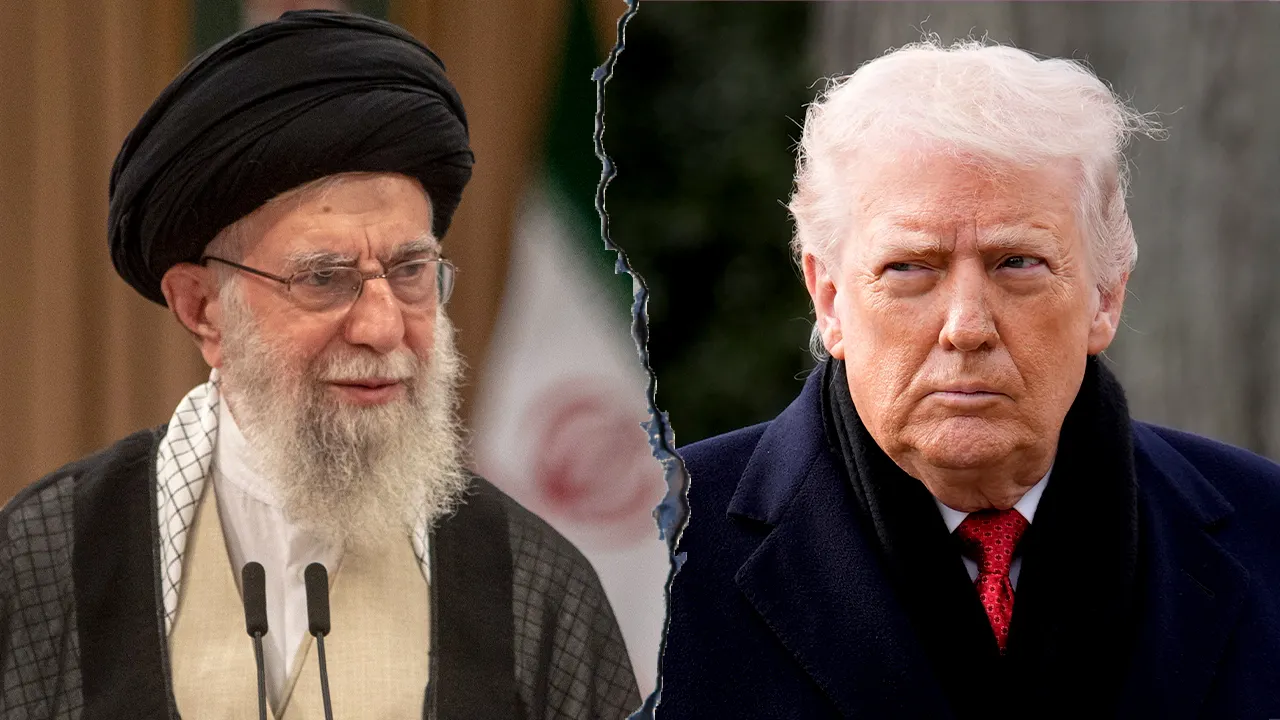
GENEVA — As indirect nuclear talks between the United States and Iran resumed here in Geneva on Sunday, a senior Iranian official challenged Washington to demonstrate its sincerity in reaching a deal, emphasizing that Tehran is prepared to compromise on its nuclear program in exchange for discussions on lifting economic sanctions.
Majid Takht-Ravanchi, Iran's deputy foreign minister, told the BBC that the responsibility now lies with the U.S. to prove its commitment. "The ball was in America’s court to prove that they want to do a deal," Takht-Ravanchi said. He added, "If they are sincere, I’m sure we will be on the road to an agreement."
Takht-Ravanchi's remarks came ahead of the second round of negotiations, mediated by Oman, following an initial session last week. Iran's top diplomat, Abbas Araghchi, traveled to the Swiss city for the discussions, according to Iranian state media and the Associated Press. The talks are indirect, with the two sides not meeting face-to-face, a format that has characterized recent diplomatic efforts amid longstanding distrust.
Iran has positioned itself as open to flexibility on key aspects of its nuclear activities. Takht-Ravanchi highlighted Tehran's readiness to address its uranium enrichment program, which has been a central point of contention. "We are ready to discuss this and other issues related to our program if they are ready to talk about sanctions," he told the BBC.
One concrete offer from Iran involves its stockpile of uranium enriched to 60% purity, a level close to weapons-grade material. Takht-Ravanchi pointed to Tehran's willingness to dilute more than 400 kilograms of this highly enriched uranium as a sign of good faith. However, when asked if Iran would ship the stockpile abroad — as it did under the 2015 Joint Comprehensive Plan of Action (JCPOA) — he responded that it was "too early to say what will happen in the course of negotiations."
Iran has also made clear its expectations for the scope of the talks. Takht-Ravanchi said Tehran believes the U.S. has recognized the need to prioritize the nuclear issue. "Our understanding is that they have come to the conclusion that if you want to have a deal you have to focus on the nuclear issue," he stated. Furthermore, he dismissed demands for zero uranium enrichment as outdated, noting, "The issue of zero enrichment is not an issue anymore and as far as Iran is concerned, it is not on the table anymore."
From the U.S. perspective, officials have pushed back against Iran's narrative, asserting that Tehran is the one impeding progress. Secretary of State Marco Rubio, speaking on February 14, acknowledged President Donald Trump's preference for a diplomatic resolution but described negotiations with Iran as "very hard to do." Rubio's comments reflect the administration's cautious stance, shaped by years of failed attempts to revive or replace the 2015 nuclear accord, from which Trump withdrew in 2018.
The current round of talks occurs against a backdrop of heightened tensions. Diplomatic efforts collapsed earlier in 2025 following a 12-day war between Israel and Iran, during which the U.S. conducted strikes on Iranian nuclear sites. That conflict, which began with Israeli airstrikes on suspected Iranian facilities, marked a significant escalation and derailed previous negotiation tracks.
Military posturing has intensified on both sides. The U.S. has bolstered its naval presence in the Middle East, deploying the aircraft carrier USS Gerald R. Ford to the region as a deterrent. Sen. John Hoeven, R-N.D., described this buildup during an appearance on Fox Report as sending a "serious" message to Iran's Supreme Leader Ayatollah Ali Khamenei. The deployments come amid preparations for potential sustained operations against Iran, according to U.S. military statements.
President Trump has alternately expressed optimism and issued warnings. In recent statements, he described talks in Oman — a precursor to the Geneva sessions — as "very good" and claimed Iran wants a deal "very badly." Yet, Trump has also threatened further military action if no agreement is reached to curb Iran's nuclear ambitions. "Iran is seriously talking to us," Trump said, even as additional U.S. ships headed to the Middle East.
Domestic unrest in Iran adds another layer of complexity. Spiraling protests across the country in December reportedly resulted in thousands of deaths at the hands of the clerical regime, according to human rights monitors and opposition groups. These events have fueled international criticism of Tehran's governance and complicated its diplomatic positioning, with the U.S. citing the crackdown as evidence of the regime's instability.
The Natanz nuclear facility, a key site in Iran's program, has been under close scrutiny. A satellite image from Maxar Technologies, dated January 24, 2025, showed activity at the site, which has been targeted in past sabotage operations attributed to Israel. Iran's insistence on maintaining enrichment capabilities stems from its claims of civilian nuclear energy needs, though Western powers suspect a covert weapons program.
Scott Bessent, a Trump administration official, has commented on Iran's strategic calculus, suggesting that Tehran responds to displays of strength. "Iran understands 'brute force,'" Bessent said, as the president weighs options in the ongoing standoff. This rhetoric underscores the U.S. strategy of combining diplomacy with military pressure.
As the Geneva talks unfold, the path forward remains uncertain. Iran's demands for sanctions relief — imposed by the U.S. since 2018 and expanded under subsequent administrations — clash with American insistence on verifiable limits to Tehran's nuclear activities. Observers note that any deal would need to address not only enrichment levels but also Iran's regional activities, including support for proxy groups in Yemen, Syria, and Lebanon.
The stakes are high, with the potential for either a breakthrough or further escalation. U.S. officials have indicated that the current military reinforcements are precautionary, but Trump has made clear that time is limited. For Iran, the talks represent an opportunity to ease economic woes exacerbated by sanctions, which have crippled its oil exports and currency. Whether the two sides can bridge their divides will depend on the concessions each is willing to make in the coming days.
Emma Bussey, a breaking news reporter, contributed to this article from Washington.