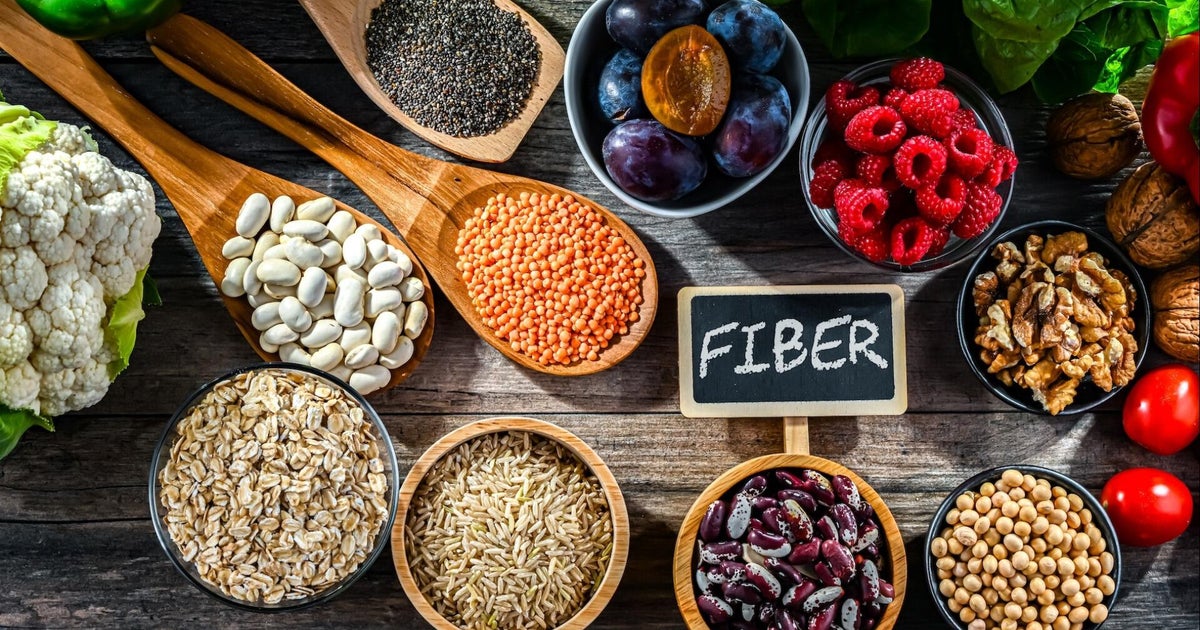
Health and fitness influencers across social media platforms are urging followers to dramatically increase their daily fiber intake through a trend known as "fibermaxxing." The practice involves consuming significantly more fiber-rich foods or supplements than typical dietary guidelines recommend, with proponents claiming benefits ranging from improved digestion to better weight management.
According to a recent segment on CBS News, the movement has gained traction among those seeking quick health optimizations. Keri Glassman, founder and CEO of Nutritious Life, appeared on the network to discuss the trend's potential impacts.
"Health and fitness influencers are pushing people to consume more fiber," Glassman noted during the discussion. She emphasized that while fiber is essential, the approach promoted online may not suit everyone and could lead to digestive discomfort if increased too rapidly.
Standard nutritional advice from health authorities recommends about 25 to 30 grams of fiber per day for most adults. Fibermaxxing often encourages intakes well above that level, sometimes reaching 50 grams or more through foods like beans, whole grains, and vegetables or via powdered supplements.
Glassman, who has built her career advising on balanced nutrition, pointed out that gradual increases are key to avoiding issues like bloating or irregular bowel movements. "It's important to listen to your body and build up slowly," she said in the CBS News interview.
Supporters of fibermaxxing argue it can enhance gut health by feeding beneficial bacteria and promoting regularity. Some online communities share personal stories of increased energy and improved skin after adopting the habit over several weeks.
Critics, however, caution that excessive fiber without adequate hydration might cause blockages or interfere with nutrient absorption. Medical professionals not directly quoted in the segment have previously warned about similar risks in high-fiber diets.
The CBS News report highlighted how social media algorithms amplify these trends, often without the nuance provided by registered dietitians like Glassman. Viewers were encouraged to consult healthcare providers before making drastic changes.
Glassman stressed the value of whole food sources over supplements when possible. "Fiber from fruits, vegetables, and legumes comes with additional vitamins and minerals that powders alone can't replicate," she explained.
Public interest in fiber has risen steadily since the early 2020s, coinciding with broader awareness of microbiome research. Events like wellness expos in major cities have featured sessions on maximizing fiber benefits safely.
While the trend shows no signs of slowing, experts including Glassman recommend focusing on consistency rather than extremes. Officials at organizations like the American Dietetic Association have long advocated for personalized approaches based on individual health profiles.
Viewers tuning into the CBS News video were left with practical tips, such as tracking intake via apps and pairing fiber increases with plenty of water. The discussion underscored that sustainable habits outperform viral challenges in the long run.