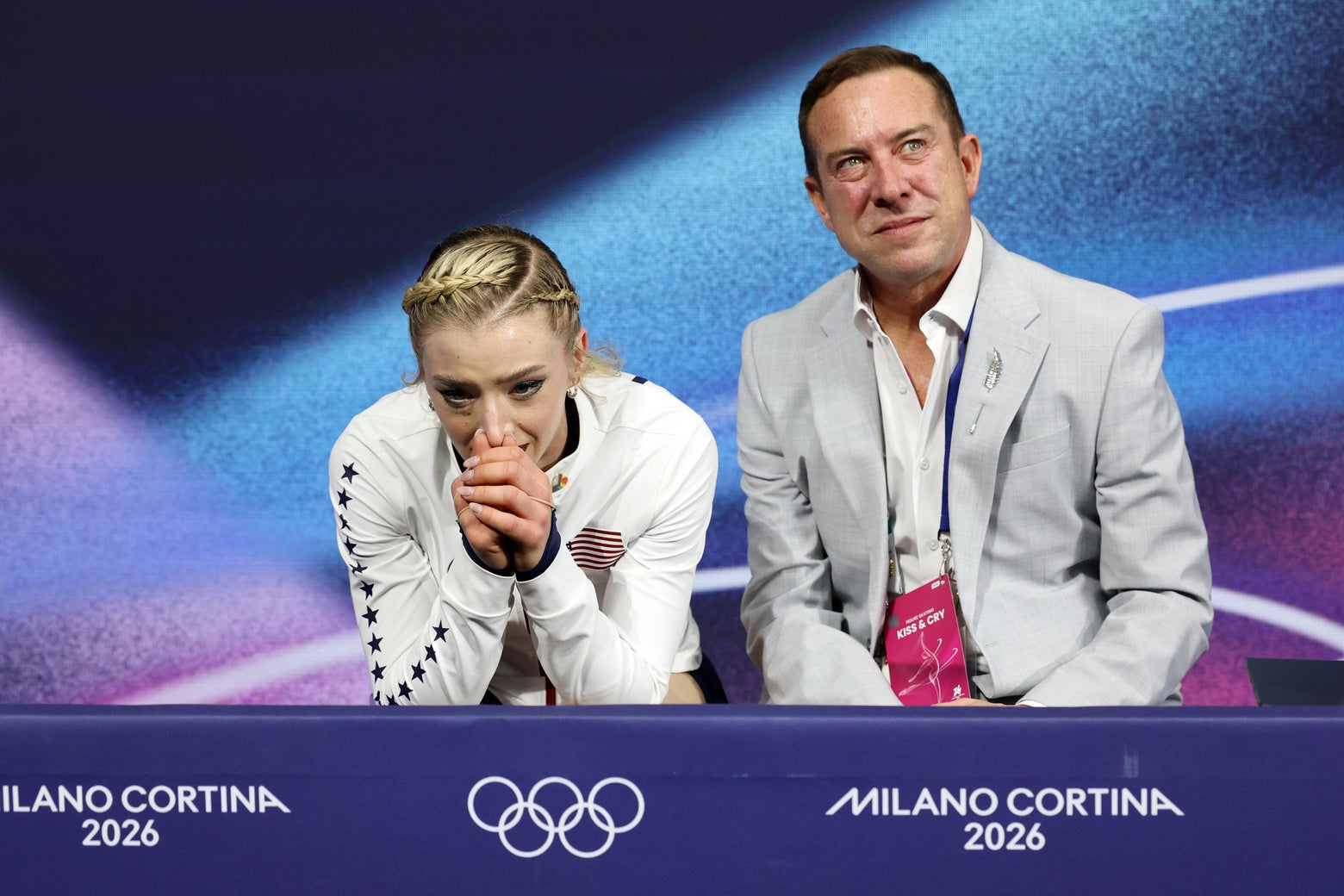
In the midst of the 2026 Winter Olympics in Milano Cortina, a quirky yet essential role has emerged as a contender for the most enviable position at the games: the kiss-and-cry companion. According to a feature published by Slate, this job involves sitting alongside figure skaters in the high-stakes moments after their performances, offering emotional support as they await their scores at the Milano Ice Skating Arena. The piece, part of Slate's biennial 'Best Jobs at the Olympics' series, nominates the companion role as potentially the top gig among the myriad behind-the-scenes positions at the event.
The kiss-and-cry area, a staple of figure skating broadcasts, is that tense zone where athletes, fresh off the ice, react to their results in full view of cameras and crowds. During the figure skating events at the Milano Ice Skating Arena, companions provide what the Slate article describes as 'valuable companionship in the stressful moments.' This includes cheering for strong scores or consoling disappointments, often with physical gestures like leg squeezes, whispers of affirmation, or handing over stuffed animals. 'You are like an emotional support animal but better, because unlike an actual emotional support animal you’ll probably get some sort of official Olympics gift bag,' the feature notes, highlighting the perks that come with the territory.
For those with a nurturing disposition, the role offers profound fulfillment. The article details scenarios where companions might hug skaters tightly after a poor performance, offering a shoulder to cry on and even sacrificing personal items like cherished childhood stuffed animals. In triumphant moments, companions join in the joy, jumping up and down, engaging in celebratory gestures such as finger-gunning or a 'dance-y little two-step shimmy.' Such displays, according to the piece, could earn the companion new fans and even spark online petitions for appearances on shows like Dancing with the Stars.
Visibility is another draw, as the kiss-and-cry cam is a primetime fixture in figure skating coverage, one of the Winter Olympics' most watched events. Companions are guaranteed screen time—typically at least two minutes—during broadcasts. The Slate feature suggests creative individuals might seize the moment for a magic trick, trivia question, or riddle to ease the tension. 'You will be cheered for your efforts to break the tension in the kiss-and-cry area. You will single-handedly make riddles a thing again,' it states, emphasizing the potential for viral fame.
Practical benefits abound, particularly for those under the weather. The area is equipped with ample boxes of Puffs tissues, strategically placed for easy access. If supplies run low, brand representatives are on hand to replenish them. Viewers might mistake a companion's nose-blowing for emotional overwhelm tied to the skater's performance, inadvertently boosting the Puffs brand. The article quips that this could lead to fame in 'tissue circles,' with invitations to join street teams and endorsements.
However, the job is not without its challenges. The Slate piece candidly outlines the emotional toll, noting times when 'there will be nothing you can do to make your skater feel better,' leaving companions feeling isolated and frustrated. In neutral moments, staring blankly ahead, they might face misunderstanding from observers who label them callous. A special pink badge reading 'Kiss & Cry'—which reportedly irks grammar sticklers for not following Associated Press style—adds to the quirks, with one anecdote describing an attempt to edit it with a paint pen resulting in ejection from the area and being dubbed a 'grammar nerd.'
Social pitfalls loom large as well. For those lacking intuition, the role can expose emotional shortcomings, rendering them unable to fully connect during celebrations or sorrows. Overly tactile approaches risk backlash, with online pundits potentially nicknaming them the 'kiss-and-cry creeper,' leading to severed ties with skaters and appearances on controversial podcasts decrying 'wokeness' in sports. The feature warns of the blurred lines between skater and companion, where mistaken identity could result in autograph requests and, in extreme hypotheticals, charges of 'stolen valor' before the Court of Arbitration for Sport, barring participation in future games like the 2030 French Alps Olympics—though appeals might allow a return as an 'Individual Neutral Kiss-and-Cry Companion.'
Post-Olympics trajectories could sour quickly. The article imagines a short-lived Dancing with the Stars stint, where judges critique the companion's moves as 'cloying,' 'inept,' and 'better suited for an ice rink than a dance floor,' leading to early elimination and harsh blogger reviews—ranking just above former House Majority Leader Tom DeLay among least favorites. Even tissue fame proves fleeting; as one cold clears, fans might turn away, labeling desperate bids for relevance as 'cringe,' potentially escalating to health issues like pneumonia without redemption.
To improve the role, the Slate suggestion is simple: 'The skater could take some time to console the kiss-and-cry companion for once!' This underscores the one-sided emotional labor often involved. The feature evaluates the job on a 10-point scale across four categories: 2.75 out of 3 for exposure, citing potential for a six-figure memoir deal like I Kissed, We Cried: A Life in Figure Skating; 1.5 out of 3 for enjoyability, hinging on the skater's performance; 2 out of 3 for enviability, praising Puffs tissues; and 0.5 out of 1 for not involving a funny hat, though it suggests one should be added. Overall, it scores 6.75 out of 10, currently topping the list.
This nomination fits into Slate's ongoing series, which excludes Olympic athletes and considers non-human or non-sentient roles. Previous honorees include Shaun White—though in a playful nod rather than a job—and a drone, showcasing the feature's lighthearted scope. The 2026 Olympics, hosted in Milano Cortina, Italy, from February 6 to 22, feature figure skating as a highlight, drawing millions of viewers worldwide. The kiss-and-cry tradition dates back decades, evolving from a simple waiting area to a televised spectacle that amplifies the sport's drama.
Organizers with the Milan Cortina committee have not commented directly on the companion role's ranking, but officials emphasize the importance of support staff in creating a positive athlete experience. According to International Olympic Committee guidelines, emotional well-being is key to performance, and roles like this contribute to that ecosystem. While the Slate piece leans satirical, it draws attention to the unsung heroes behind the glamour, from volunteers to specialized companions who navigate the emotional rollercoaster of competition.
Beyond the arena, the discussion highlights broader themes in Olympic labor. Many such positions are volunteer-based, offering gift bags and credentials but little pay—yet the exposure can lead to opportunities. In past games, similar roles have launched careers in media or endorsements. For 2026, with figure skating events concentrated in the first two weeks, companions play a pivotal part in events like the singles, pairs, and ice dance competitions, where scores can swing medals.
As the Milano games progress, eyes remain on the kiss-and-cry area for unscripted moments that capture the human side of elite sport. Whether companions achieve the fame predicted or face the pitfalls outlined, their role underscores the Olympics' blend of athletic prowess and raw emotion. Future iterations of the games, including the 2030 event in the French Alps, may refine such positions, potentially incorporating the suggested hat or reciprocal support to enhance the experience for all involved.
The Slate verdict positions the kiss-and-cry companion as the current best job, but as the series continues, other nominees could challenge it. With the Olympics emphasizing inclusivity and mental health, roles like this may gain formal recognition, ensuring companions are as celebrated as the skaters they support.