By David Kim, The Appleton Times
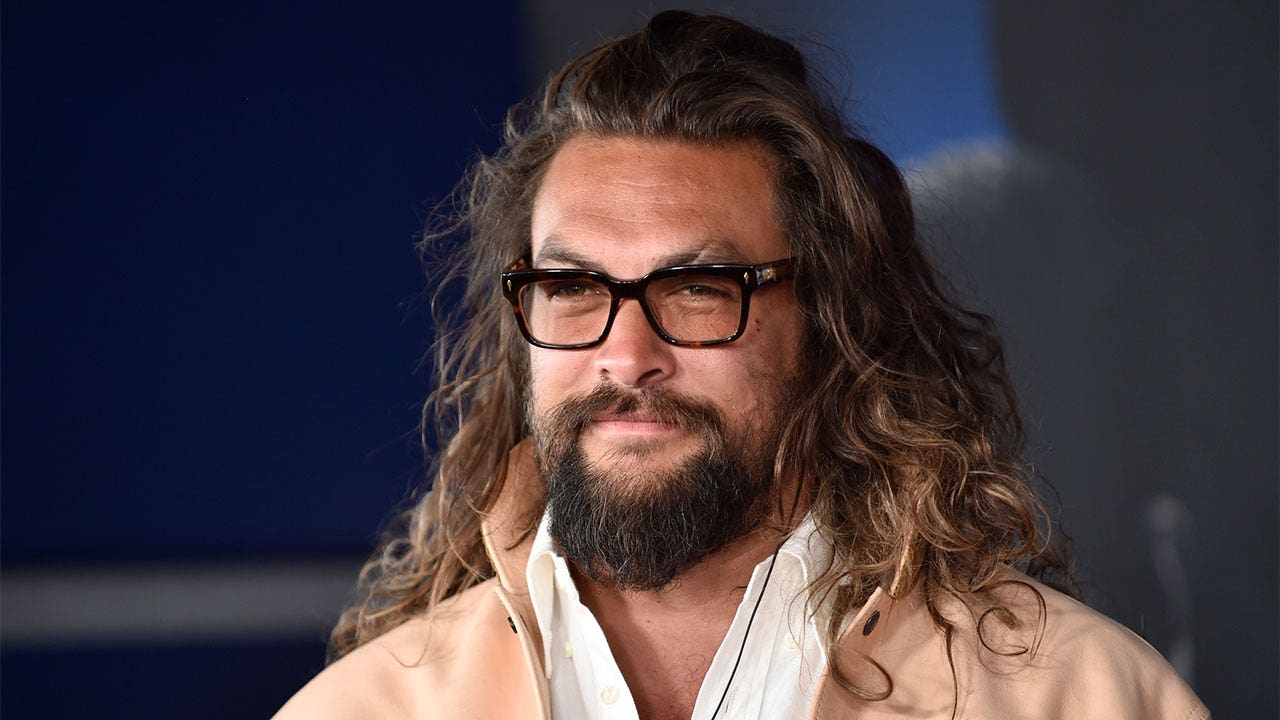
HONOLULU — Actor Jason Momoa, known for his role as Aquaman, was among thousands forced to flee their homes on O'ahu's North Shore as historic flooding battered Hawaii over the weekend. The deluge, triggered by seasonal cyclones and relentless rains, led to widespread evacuations and power outages, displacing families and straining emergency services across the island.
Momoa, a Hawaii native with deep ties to the islands, shared the ordeal on Instagram, revealing that he and his family had to evacuate after losing power at their home. "We’re safe for now but there’s a lot of people who weren’t, so sending all of our love," Momoa wrote in a post directed at his followers. He described the North Shore as "pretty gnarly right now," urging others to "stay safe out there."
The flooding, described as the worst in more than two decades, prompted evacuation orders for approximately 5,500 people in areas north of Honolulu, including Waialua and Hale'iwa. According to state officials, more than 2,000 residents remained without power as of Sunday, with rescue teams pulling over 200 individuals from floodwaters. No fatalities were reported, a fact that officials attributed to swift emergency responses amid the chaos.
Governor Josh Green addressed the ongoing crisis on Saturday, emphasizing that Hawaii was "still in this" with a statewide flood watch extending through the weekend. The governor had issued evacuation orders the previous day for the hardest-hit North Shore communities. "Conditions remain dangerous because the ground is already saturated, meaning it will take much less rain to trigger flooding, road closures and damage," Green shared on X, formerly known as Twitter.
Green also warned of extensive damages, estimating costs could exceed $1 billion. Infrastructure across the state took a severe hit, including airports, roads, homes, and even a hospital on Maui. The flooding came on the heels of weeks of heavy rain that had already saturated the soil, exacerbating the impact of the latest storms.
For Momoa, the events hit close to home. The actor, who grew up in Honolulu and often speaks about his love for Hawaiian culture, used the platform to highlight the broader human toll. "These past weeks have been heavy," he posted online. "The storms, the flooding, the constant rain across Oʻahu have affected so many of our people especially those already facing hardship. Seeing families displaced, communities struggling, and our unhoused neighbors hit the hardest."
Despite the personal disruption, Momoa quickly turned his attention to supporting those affected. Along with his girlfriend, actress Adria Arjona, he organized efforts to distribute more than 200 plates of food to locals on the west side of O'ahu. "We spent time on the west side, just trying to show love, bring some food, and remind our community that we see you, we stand with you, and you’re not alone," Momoa wrote.
He framed the initiative as an embodiment of aloha, the Hawaiian spirit of compassion and community. "That’s what aloha is. It’s showing up for each other when it matters most," Momoa added in his post, which included photos of the pair handing out meals to displaced residents.
The flooding's severity underscores Hawaii's vulnerability to extreme weather, a pattern increasingly linked to climate change by experts, though officials focused on immediate recovery in their statements. The state has seen a string of natural disasters in recent years, from wildfires to hurricanes, testing its resilience. This latest event follows closely after a dangerous surf accident involving Momoa on Maui, where he nearly drowned, highlighting the islands' unpredictable coastal hazards.
Emergency management teams reported that the saturated ground from prior rains amplified the flooding risks, turning even moderate downpours into torrents. Roads were closed throughout the North Shore, stranding vehicles and complicating rescues. Power restoration efforts were underway, but officials cautioned that full recovery could take weeks, especially in remote areas.
Momoa's involvement drew praise from local leaders, who noted the importance of celebrity voices in rallying community support during crises. His posts garnered thousands of likes and shares, amplifying calls for aid. Meanwhile, nonprofit organizations and federal agencies began mobilizing resources, with the Federal Emergency Management Agency (FEMA) preparing to assess damages for potential disaster declarations.
As the flood watch persisted, Green urged residents to heed warnings and avoid travel unless necessary. "We are monitoring the situation closely and will provide updates as conditions evolve," the governor's office stated in a release. Schools and businesses in affected areas remained shuttered, with cleanup operations just beginning in the most devastated neighborhoods.
The economic ripple effects are already apparent, with tourism—a cornerstone of Hawaii's economy—facing disruptions. Hotels on the North Shore reported cancellations, and flights to Honolulu International Airport experienced delays due to waterlogged runways. Agriculture, particularly in flood-prone valleys, suffered significant losses, according to preliminary reports from the state Department of Agriculture.
Momoa's proactive response serves as a reminder of how public figures can bridge gaps in disaster relief. His efforts, though small in scale compared to the overall need, provided immediate comfort to those reeling from the floods. As Hawaii braces for potential aftereffects, such acts of solidarity may prove vital in rebuilding not just structures, but community bonds strained by the disaster.
Looking ahead, officials anticipate more rain in the coming days, which could prolong the recovery. Green has requested additional federal support, citing the billion-dollar damage estimate as justification for expedited aid. For families like Momoa's, the focus remains on safety and support, with the actor continuing to use his influence to spotlight the islands' struggles.
In the wake of the flooding, Hawaii's resilience shines through stories like these—ordinary and extraordinary citizens coming together amid adversity. As the waters recede, the true extent of the damage will become clear, but for now, the emphasis is on ensuring no one is left behind in the recovery process.