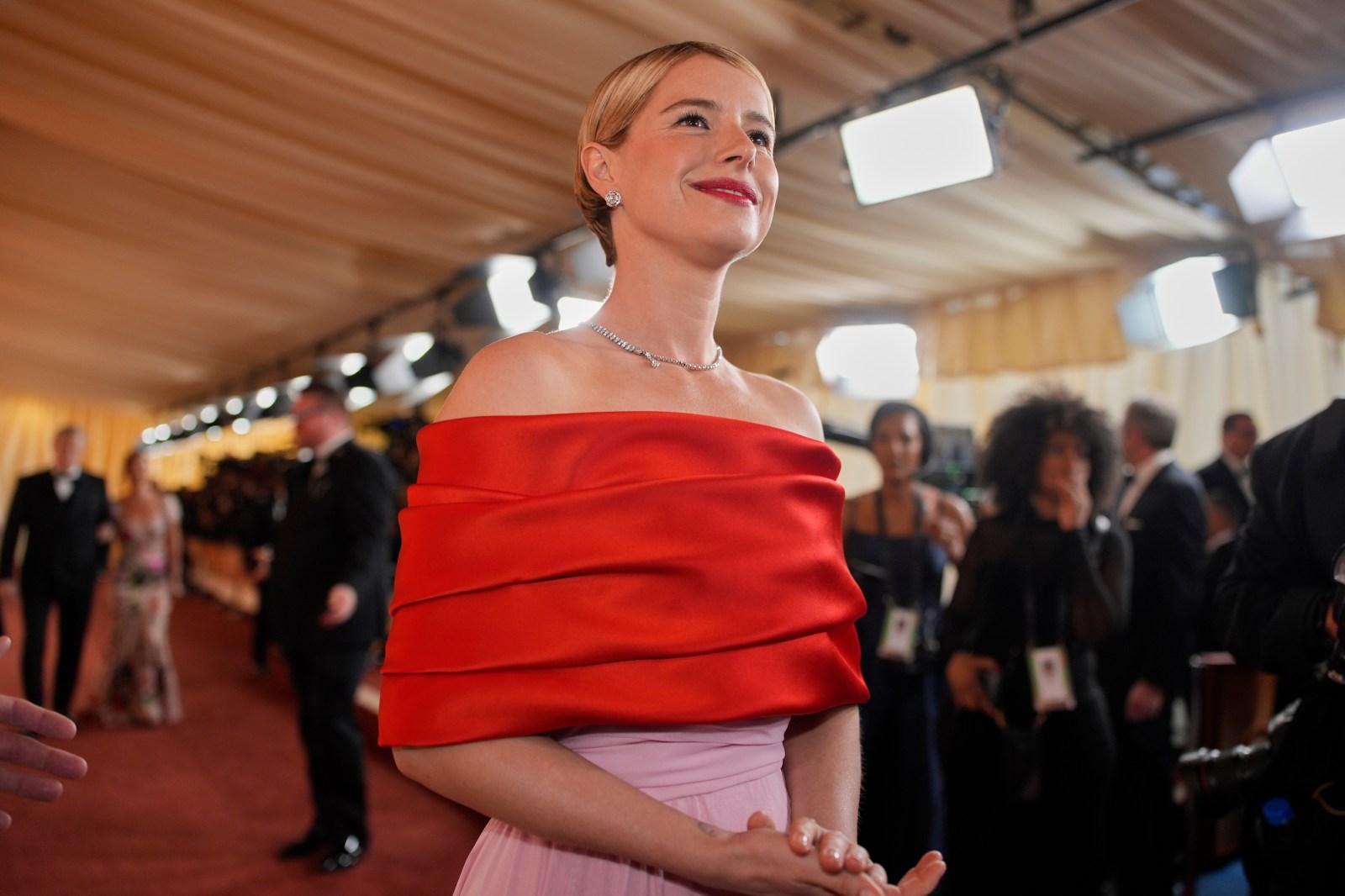
LOS ANGELES — In a night filled with emotional highs at the 98th Academy Awards, Irish actress Jessie Buckley secured her first Oscar for best actress, captivating audiences with her poignant portrayal of Agnes in the historical drama Hamnet. The win, announced on Sunday, March 15, 2026, at the Dolby Theatre, marked a triumphant moment for Buckley, who had been a frontrunner throughout the awards season. Directed by acclaimed filmmaker Chloé Zhao, the film explores the intimate struggles of William Shakespeare and his wife, Anne Hathaway—also known as Agnes—amid the devastating loss of their young son.
Buckley's performance in Hamnet, an adaptation of Maggie O’Farrell’s 2020 prizewinning novel, drew widespread acclaim for its raw emotional depth, often leaving viewers in tears. According to reports from the Associated Press, the role prompted "almost anyone who saw it to blow through a box of tissues." As she accepted the award, Buckley burst into laughter before composing herself to deliver her speech. “This is really something,” she said, her voice carrying a mix of joy and disbelief across the live broadcast.
Turning heartfelt, Buckley dedicated the honor to mothers everywhere, noting the timing of the ceremony. “It’s Mother’s Day in the U.K. today, so I would like to dedicate this to the beautiful chaos of a mother’s heart,” she continued. “We all come from a lineage of women who continue to create against all odds. Thank you for recognizing me in this role.” The dedication resonated deeply, highlighting themes of resilience and creativity central to the film’s narrative.
This victory made Buckley the first Irish performer to claim the best actress Oscar, a milestone in a category historically dominated by American and British talent. Prior to the Oscars, she had swept major awards, including wins at the Critics Choice Awards, Golden Globes, BAFTAs, and the Actor Awards for the same role. Her path to the stage was paved by consistent recognition, underscoring the film's impact on the industry.
The competition was stiff, with Buckley facing a diverse field of nominees. First-time contenders included Rose Byrne for her work in If I Had Legs I’d Kick You and Renate Reinsve in Sentimental Value. Veteran Emma Stone, a two-time winner, was nominated for Bugonia, while Kate Hudson earned her second nod for Song Sung Blue. Academy voters ultimately sided with Buckley, affirming her as the standout in a year rich with strong female-led stories.
Hamnet itself garnered significant attention, securing eight Oscar nominations, including for best picture, directing, and adapted screenplay. The film delves into the lesser-known aspects of Shakespeare’s life in 16th-century England, focusing on the death of the couple’s 11-year-old son, Hamnet, and the profound grief that ensued. It imaginatively links this tragedy to the creation of Shakespeare’s iconic play Hamlet, noting how the names were nearly interchangeable during that era.
Paul Mescal, another Irish actor, co-stars as William Shakespeare, bringing nuance to the playwright’s personal turmoil. The story, set against the backdrop of Elizabethan England, portrays Agnes as a multifaceted woman—herbalist, mother, and quiet force in her husband’s world—challenging romanticized views of the Bard’s life. O’Farrell’s novel, which won the Women’s Prize for Fiction in 2020, provided a rich foundation, blending historical fact with speculative fiction to humanize one of literature’s enduring figures.
Buckley’s journey to this win builds on her rising stardom. The 36-year-old, born in Killarney, Ireland, first gained international notice with roles in films like Wild Rose in 2018 and the television series Fleabag. Her previous Oscar nomination came in 2022 for best supporting actress in The Lost Daughter, directed by Maggie Gyllenhaal, where she played a complex friend to Olivia Colman’s character. That nod signaled her potential, but Hamnet elevated her to leading-lady status.
Chloé Zhao’s direction added another layer of prestige. The filmmaker, who won best director for Nomadland in 2021—becoming only the second woman to do so—brought her signature intimacy to Hamnet. Zhao’s vision emphasized the quiet power of domestic life, drawing parallels to her earlier works that explore personal loss and human connection. Industry insiders praised how the film balanced historical authenticity with emotional universality, contributing to its awards momentum.
The 2026 Oscars, held amid a bustling Hollywood season, reflected broader trends in cinema. With a return to in-person glamour post-pandemic, the ceremony featured elaborate tributes to film history while spotlighting diverse narratives. Hamnet’s success aligns with a surge in adaptations of literary works, particularly those centering women’s perspectives on historical events. Producers noted the film’s box office performance, which exceeded $150 million worldwide since its release in late 2025, according to studio estimates.
Reactions poured in from fellow nominees and peers. Emma Stone, gracious in defeat, posted on social media: “Jessie’s work in Hamnet is transformative—congratulations on a well-deserved win.” Kate Hudson echoed the sentiment in interviews, saying, “It’s an honor to be in this category with such talent; Jessie brought Shakespeare’s world alive in a way I’ve never seen.” These comments highlighted the camaraderie among the nominees, a staple of awards nights.
Beyond the individual triumph, Buckley’s win underscores Ireland’s growing influence in global cinema. From Cillian Murphy’s best actor win the previous year for Oppenheimer to emerging talents like Mescal, Irish performers are increasingly shaping Oscar narratives. Cultural observers point to government support for the arts in Ireland, including tax incentives for film production, as a factor in this wave of success.
Looking ahead, Hamnet’s additional nominations position it as a contender for best picture, with Zhao’s direction and the screenplay by Rhianna Wise drawing particular buzz. If it prevails, it would mark Zhao’s second best picture win in six years. Buckley, meanwhile, has hinted at upcoming projects, including a lead role in a sci-fi thriller set for 2027 release, signaling her versatility post-Oscar.
The evening’s events also sparked discussions on representation in historical dramas. Some critics, in pre-ceremony analyses, debated the film’s fictional liberties with Shakespeare’s biography, but most agreed its emotional core rang true. As one reviewer from Variety noted, “Hamnet doesn’t rewrite history; it reclaims the hearts behind it.” This perspective has fueled academic interest, with universities planning panels on the film’s portrayal of grief and gender roles.
In the end, Jessie Buckley’s Oscar represents more than a personal achievement—it celebrates storytelling that bridges centuries, reminding audiences of the enduring power of performance. As Hollywood eyes the next awards cycle, her win sets a high bar for emotional authenticity in an industry ever-evolving with new voices and visions.