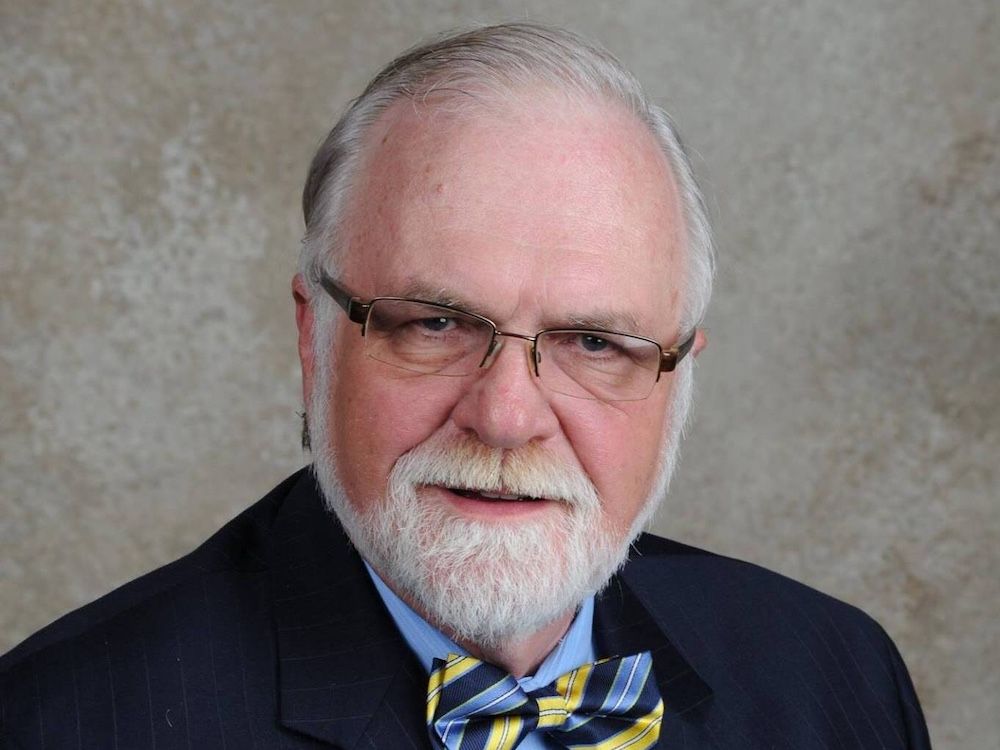
VANCOUVER, British Columbia — A former school trustee in British Columbia has been ordered to pay $750,000 in damages to a group of local teachers who identify as LGBTQ, following a ruling by the B.C. Human Rights Tribunal that found his public statements discriminatory and hateful. The decision, which stems from social media posts, interviews, and other remarks made by Barry Neufeld, has ignited fresh debate over the balance between free speech protections and human rights laws in Canada.
Neufeld, a longtime critic of certain school policies related to gender identity, was targeted in complaints filed by teachers in the Chilliwack area. The tribunal determined that his expressions violated sections 7(1)(a) and 7(1)(b) of B.C.'s Human Rights Code. Section 7(1)(a) prohibits publishing statements that indicate discrimination or an intention to discriminate against a person or group based on characteristics such as gender identity, while section 7(1)(b) bans publications likely to expose such groups to hatred or contempt.
Among the statements cited in the ruling were Facebook posts by Neufeld, including one that read: “The elites will destroy all gay kids. They are culling them from the gene pool. Make no mistake about it. The trans agenda is eugenics. They are not on the side of LGBT+. Don’t ever think they are. Snakes are everywhere. More division and the destruction of humanity.” The tribunal found these and similar comments created a hostile environment for the complainants, leading to the substantial financial penalty.
Neufeld, who served as a trustee for the Chilliwack School District until 2022, has a history of outspoken views on transgender issues in education. In 2018, he publicly compared gender transition programs for youth to child mutilation, prompting widespread backlash and calls for his resignation. While he stepped down from his trustee role, the human rights complaints proceeded, culminating in last week's tribunal decision.
The ruling has drawn sharp criticism from free speech advocates. Josh Dehaas, counsel with the Canadian Constitution Foundation, a charity focused on defending constitutional rights, described the outcome as a significant threat to expression freedoms. In an opinion piece published in the National Post, Dehaas wrote, “As an LGBT person, needless to say I find Neufeld’s language distasteful. As a free speech lawyer, I know that fining a person for unpopular views is infinitely more dangerous than letting cranks spout off.”
Dehaas argued that provisions like those in B.C.'s code represent content-based restrictions on speech, targeting ideas rather than actions or imminent harm. He referenced the Supreme Court of Canada's 1989 Irwin Toy decision, which affirmed that individuals should be free to “manifest their thoughts, opinions, beliefs… however unpopular, distasteful or contrary to the mainstream,” as such expression aids in societal progress and truth-seeking. Yet, he noted, the court upheld similar restrictions in the 1990 Taylor case by a 4-3 margin and with caveats in the 2013 Whatcott ruling, leaving legislative change as the primary path forward.
At the federal level, Canada amended its human rights code in 2013 under Prime Minister Stephen Harper's Conservative government, removing a similar provision after controversy over a complaint against Maclean's magazine. That case involved a 2006 cover story by Mark Steyn titled “The Future Belongs to Islam,” which speculated on demographic shifts in liberal democracies due to Muslim immigration and birth rates. The Canadian Islamic Congress had sought to bring the magazine before the Canadian Human Rights Tribunal, but public outcry over potential censorship led to the repeal.
Dehaas pointed to Ontario's Human Rights Code as a model for reform. Unlike B.C., Ontario's section 13 does not broadly prohibit publications but targets specific discriminatory actions, such as posting signs denying services, accommodations, or employment based on protected characteristics. “In other words, you can’t put up a sign in an Ontario restaurant saying ‘no Jews allowed,’ but you can still freely express yourself in media and on social media so long as you don’t cross into criminal hate speech,” Dehaas explained in his commentary.
Proponents of B.C.-style provisions, as outlined in the Taylor decision, contend that curbing certain publications is essential to prevent words from escalating into discriminatory actions. However, Dehaas countered this by comparing hate crime statistics between B.C. and Ontario. According to his analysis, hate crimes remain equally rare in both provinces, suggesting that the publication bans do not yield measurable benefits in reducing harm.
The Neufeld case is not isolated. In recent years, human rights tribunals across Canada have faced scrutiny for handling speech-related complaints. For instance, in Saskatchewan, a 2023 court challenge to a law requiring parental consent for name and pronoun changes in schools highlighted tensions between child protection and LGBTQ rights. Meanwhile, in Alberta, similar debates have arisen over curriculum on gender and sexual diversity.
Neufeld has indicated he may appeal the tribunal's decision, a process that could extend for months or years through B.C.'s courts. Legal experts say such appeals often hinge on whether the speech crosses into unprotected territory, like incitement to violence, or remains within the bounds of robust debate. The Canadian Constitution Foundation, where Dehaas works, has previously supported challenges to human rights code provisions, including co-authoring the book “Free Speech in Canada.”
Beyond the immediate financial impact on Neufeld, who faces potential bankruptcy from the $750,000 award, the ruling underscores broader concerns about the chilling effect on public discourse. Teachers and activists supporting the complainants have welcomed the decision as a stand against harassment in educational settings. One of the affected teachers, speaking anonymously to local media, described the statements as creating “a toxic atmosphere” that affected their ability to work safely.
As provinces grapple with these issues, calls for reform are growing. Dehaas urged Canadians to pressure lawmakers to amend human rights codes, removing provisions that allow bureaucrats to penalize unpopular speech. “Canadians concerned about this censorship should insist that their provinces amend their human rights codes to remove these provisions,” he wrote. “Doing so would not unleash a wave of hate or discrimination.”
The federal Liberal government under Justin Trudeau briefly attempted to reinstate a similar provision in 2013 but was unsuccessful. Today, with elections looming in several provinces, the Neufeld case could influence policy discussions on free expression and equity. In British Columbia, where the New Democratic Party holds power, officials have defended the human rights framework as vital for protecting vulnerable groups, though no immediate changes have been announced.
Looking ahead, the outcome of any appeal and potential legislative responses will shape the landscape for speech regulations in Canada. For now, the tribunal's order stands as a stark reminder of the legal risks tied to controversial opinions, particularly on sensitive topics like gender identity. As Dehaas concluded in his piece, “The Neufeld decision is deeply chilling for freedom of speech without discernible benefit. Canadians should insist that this troubling ruling marks the end of these provincial censorship provisions.”