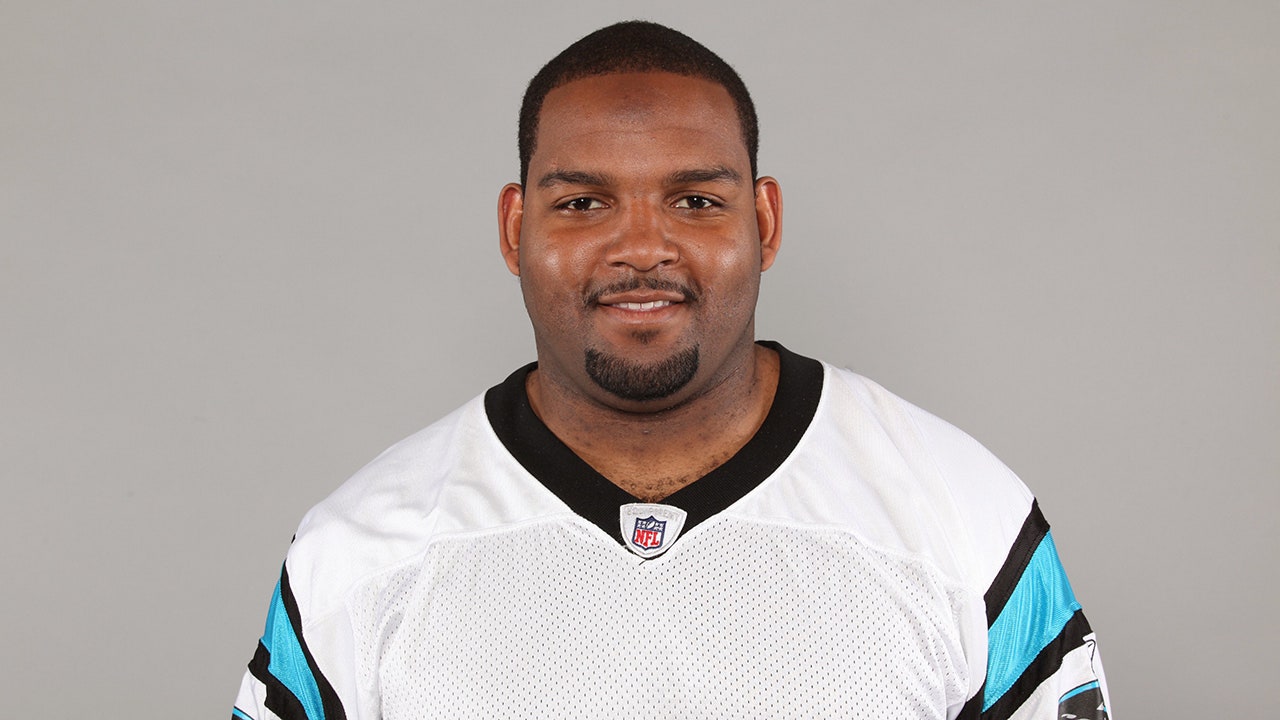
In a significant victory for federal prosecutors, a Texas jury has convicted former University of Connecticut football standout Keith J. Gray on multiple charges related to a massive Medicare fraud scheme. The conviction, handed down on Thursday in a federal court in Texas, stems from Gray's involvement in a genetic testing operation that allegedly bilked the government out of millions through kickbacks and unnecessary procedures. Gray, 38, who owns Axis Professional Labs and Kingdom Health Laboratory, was found guilty of conspiracy to defraud the United States and to pay and receive health care kickbacks, along with five counts of violating the Anti-Kickback Statute and three counts of money laundering, according to a news release from the U.S. Department of Justice.
The scheme, which investigators say generated up to $328 million in fraudulent claims to Medicare, centered on billing for medically unnecessary genetic tests aimed at evaluating risks for various cardiovascular diseases and conditions. Prosecutors argued that Gray knowingly authorized these tests and provided kickbacks to marketers and others in exchange for referrals of DNA samples from Medicare beneficiaries. The labs, both based in Texas, submitted claims totaling around $328 million, with Medicare reimbursing approximately $54 million before the fraud was uncovered, officials said.
Gray's background in sports adds a layer of notoriety to the case. A key contributor to the UConn Huskies, Gray started every game during the 2007 season, helping the team to a strong performance that year. After college, he signed with the Carolina Panthers as an undrafted free agent in 2009 but never appeared in a regular-season NFL game. Instead, he pivoted to the health care industry, founding his laboratories, which became the vehicles for the alleged fraud.
According to the Justice Department, the operation relied on a network of marketers who targeted Medicare beneficiaries, often through door-to-door outreach or other means, to obtain their personal information. These marketers then engaged in what prosecutors described as "doctor chasing," a tactic where they sought out the beneficiaries' primary care physicians and pressured them into approving the genetic tests. Once approved, the DNA samples were sent to Gray's labs for processing, triggering reimbursements from Medicare.
To cover their tracks, Gray and his co-conspirators used fabricated documents and invoices that disguised kickback payments as legitimate business expenses. For instance, payments were listed as charges for "marketing hours," or mischaracterized as costs for "software" or even non-existent loans, the DOJ release detailed. This method allowed the scheme to operate undetected for years, raking in substantial illicit gains.
During the trial, which lasted several weeks in the U.S. District Court for the Southern District of Texas, prosecutors presented compelling evidence, including text messages exchanged between Gray and a co-conspirator. In one exchange, the co-conspirator wrote, "$ent, you should have it any minute if you don’t already. Get it?" Gray replied enthusiastically, "Sorry I was filling my bathtub with ones. Yes lol." These messages, prosecutors said, demonstrated Gray's awareness and excitement over the influx of fraudulent funds from Medicare.
The Anti-Kickback Statute, central to the convictions, prohibits the payment or receipt of remuneration in exchange for referrals payable by federal health care programs like Medicare. Violations carry severe penalties, and Gray now faces up to 10 years in prison for each of the nine counts against him, potentially amounting to a lengthy sentence. A sentencing date has not yet been set, according to court officials.
This case is part of a broader crackdown on health care fraud involving genetic testing labs. In recent years, the Justice Department has pursued numerous similar schemes, often targeting labs that exploit Medicare's coverage for diagnostic tests. For example, in 2022, federal authorities dismantled a $1.2 billion fraud ring in Florida centered on unnecessary cancer screenings, resulting in multiple convictions. Gray's operation, while smaller in payouts compared to some, highlights the persistent vulnerability of Medicare to kickback-driven abuses.
Representatives from the DOJ emphasized the impact of such fraud on taxpayers and vulnerable seniors. "This conviction sends a clear message that those who exploit Medicare for personal gain will be held accountable," said a spokesperson for the U.S. Attorney's Office in Houston, which led the prosecution. The investigation was conducted by the FBI, the Department of Health and Human Services Office of Inspector General, and other agencies, underscoring the collaborative effort to combat health care fraud.
Gray's defense team did not immediately respond to requests for comment following the verdict, but during the trial, attorneys argued that the lab owner was unaware of the full extent of the marketers' tactics and that the tests provided some value to patients. However, the jury rejected these claims after deliberating for less than a day, finding the evidence of intentional fraud overwhelming.
The conviction comes amid heightened scrutiny of former athletes in business ventures. Gray is not the first ex-NFL hopeful to face legal troubles; earlier this year, a judge ordered former player Darron Lee held without bond in a separate case as prosecutors weighed the death penalty in an unrelated matter. While Gray's issues are financial rather than violent, they illustrate the challenges some athletes face transitioning to civilian life.
Beyond the immediate charges, the fallout from the scheme could extend to civil penalties and restitution. Medicare fraud cases often result in labs being barred from federal programs, and Axis Professional Labs and Kingdom Health Laboratory may face debarment or closure. Beneficiaries who underwent the tests could also be affected if records are scrutinized for compliance.
Experts in health care law note that genetic testing fraud has surged with advances in technology, making it easier to bill for complex diagnostics. "These schemes prey on the system's trust in medical necessity," said one analyst from a Washington-based think tank, speaking on condition of anonymity. The DOJ has recovered billions in fraudulent claims over the past decade, but officials admit that for every case prosecuted, many more likely go undetected.
As Gray awaits sentencing, the case serves as a cautionary tale for the intersection of sports fame and entrepreneurial ambition. His journey from college football star to convicted fraudster underscores the risks of cutting corners in high-stakes industries like health care. Federal authorities continue to investigate co-conspirators, with additional charges possible in the coming months.
The broader implications for Medicare integrity are stark. With the program serving over 65 million Americans, particularly seniors, schemes like Gray's erode public confidence and divert funds from legitimate care. Lawmakers on Capitol Hill have called for stronger oversight, including AI-driven audits and harsher penalties, to stem the tide of fraud. For now, the conviction of Keith J. Gray marks another step in that direction, though the fight against health care scams remains ongoing.