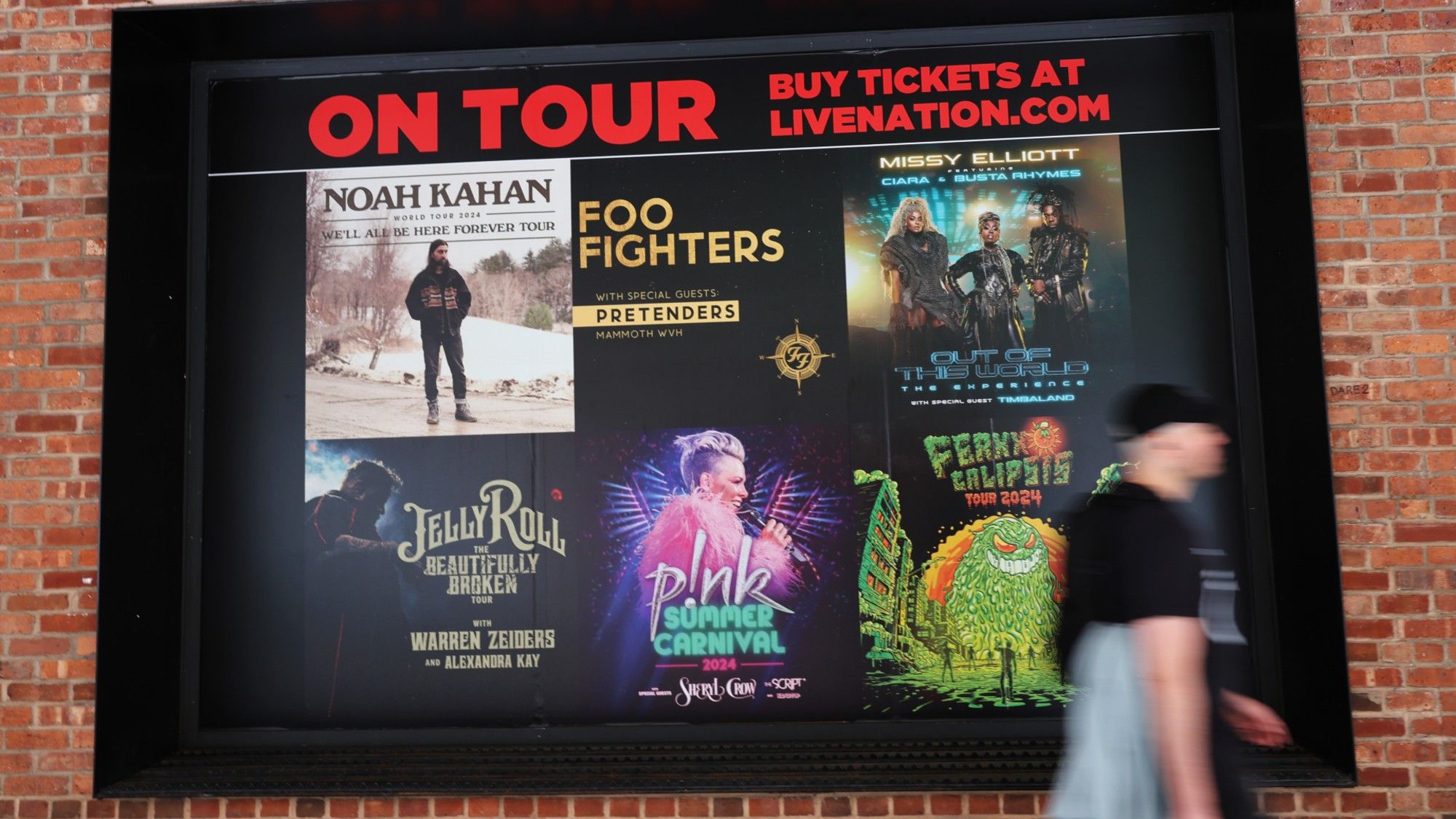
In a landmark decision that could reshape the live entertainment industry, a federal jury in New York City delivered a resounding verdict on Wednesday, finding that Live Nation Entertainment and its subsidiary Ticketmaster have operated an illegal monopoly. The ruling, which came after a contentious trial, accuses the companies of harming ticket buyers, artists, and entertainment venues through anticompetitive practices. The case, initiated in 2024 by the U.S. Department of Justice alongside 39 state attorneys general, marks a significant escalation in efforts to curb the dominance of the ticketing giant.
The trial, which spanned seven weeks in the U.S. District Court for the Southern District of New York, began with high stakes but took an unexpected turn just days in. The DOJ announced a surprise settlement with Live Nation, aiming to resolve the federal claims without a full courtroom battle. However, more than 30 states, deeming the agreement insufficient to address the monopoly's harms, opted to press forward with their own litigation. It was this state-led continuation that ultimately led to the jury's finding of monopolistic behavior.
Legal experts hailed the outcome as transformative. "The verdict 'will be an earthquake in the industry,'" Scott Grzenczyk, a legal analyst, told CNN, emphasizing the shift from widespread public complaints to a formal judicial condemnation. Grzenczyk highlighted the stark contrast: "There’s a 'big difference between people complaining about Goliath and getting a jury verdict that Goliath was a monopolist.'" This perspective underscores the symbolic weight of the decision, positioning Live Nation—often likened to the biblical giant—as a proven violator of antitrust laws.
Gail Slater, who served as the DOJ's antitrust chief until she was pushed out mere weeks before the settlement announcement, celebrated the states' perseverance. In a post on X, formerly known as Twitter, Slater wrote, "congratulated the 'mighty state AG coalition that stood behind this case' and 'made antitrust history.'" Her comments reflect the internal divisions within the federal government and the pivotal role played by state prosecutors in pushing the case to a conclusion.
Live Nation, which controls a vast network of concert promotions, venue ownership, and ticketing services, has long faced accusations of leveraging its market power to stifle competition. The company denied these claims throughout the proceedings, asserting that its practices foster innovation and efficiency in the live events sector. In a statement following the verdict, Live Nation announced it would appeal the decision, signaling a prolonged legal fight ahead. "Live Nation, which denied using its vast reach to smother competition, said it would appeal," according to reports from the trial coverage.
The roots of this antitrust action trace back years, with mounting frustrations over soaring ticket prices and limited choices for consumers. Ticketmaster, acquired by Live Nation in 2010 following a DOJ-approved merger, has been at the center of controversies, including the infamous 2022 Ticketmaster meltdown during presales for Taylor Swift's Eras Tour. That incident, which left millions of fans unable to purchase tickets amid website crashes and scalping woes, drew bipartisan outrage and amplified calls for reform. The 2024 lawsuit built on these grievances, alleging that the companies' exclusive contracts with venues and artists created insurmountable barriers for rivals.
During the trial, prosecutors presented evidence of how Live Nation's control over more than 200 venues and primary ticketing for over 80% of major U.S. concerts enabled it to dictate terms unfavorable to smaller players. Witnesses, including artists and venue operators, testified to the pressures of dealing with the behemoth, reportedly describing scenarios where alternatives were effectively nonexistent. According to court documents cited in the proceedings, these practices not only inflated fees—sometimes adding 30% or more to ticket costs—but also limited artists' negotiating power and squeezed independent promoters.
The jury's unanimous finding on the monopoly charge sets the stage for a remedies phase, where U.S. District Judge [Note: Source does not specify judge's name, so omitted for accuracy], presiding over the case, will determine penalties. While the immediate impact on concertgoers remains limited, experts anticipate significant consequences. "The ruling 'won’t immediately bring relief for concertgoers who have long complained about high ticket prices,'" The Associated Press reported, noting that structural changes could take years to implement.
Business Insider outlined potential outcomes, suggesting the judge could impose "steep monetary penalties" or, in a more dramatic move, order a "court-ordered breakup of the company." Such a divestiture would echo historic antitrust actions, like the 1982 breakup of AT&T, and could fragment Live Nation's integrated operations into separate entities for promotion, venues, and ticketing. However, Live Nation's appeal could delay these remedies, potentially tying the case up in higher courts for months or even years.
The decision arrives amid a broader push for antitrust enforcement under the Biden administration, though the state-led victory highlights a decentralized approach to corporate accountability. The involvement of 39 states initially, with over 30 persisting post-settlement, demonstrates unusual interstate cooperation. Attorneys general from states like New York, California, and Texas led the charge, arguing that the DOJ's settlement failed to dismantle the core monopolistic structures.
Consumer advocates welcomed the verdict as a step toward fairer pricing in an industry plagued by dynamic pricing models and hidden fees. Organizations like the Fan Fairness Coalition, which has lobbied for transparency, pointed to the ruling as validation of their long-standing campaigns. One advocate, speaking anonymously due to ongoing industry ties, described the monopoly as "a chokehold on live music that fans have felt for over a decade."
From Live Nation's viewpoint, the company has maintained that its scale benefits the ecosystem by investing in artist development and venue improvements. Executives testified that without such integration, the live events market—worth billions annually—would suffer from fragmentation and reduced offerings. The appeal, they argue, will allow a fuller examination of these efficiencies, potentially overturning the jury's assessment.
Looking ahead, the remedies phase could redefine competition in live entertainment. If a breakup occurs, it might open doors for startups in ticketing, like SeatGeek or Eventbrite, to gain traction. Analysts predict this could lower fees by 10-20% over time, based on similar post-antitrust market shifts. Yet, the music industry remains wary; artists' managers have expressed concerns that disrupting Live Nation's global reach could affect international tours and festival lineups.
The New York verdict also intersects with legislative efforts, such as the proposed BOSS Act and AFHCT Act in Congress, aimed at banning anticompetitive ticketing practices. Lawmakers from both parties have cited the Live Nation case in hearings, underscoring its national resonance. As the appeal process unfolds, stakeholders from fans to promoters will watch closely, hoping for an industry less dominated by a single powerhouse.
In the end, Wednesday's ruling represents more than a legal win—it's a signal that monopolies in entertainment face real scrutiny. While relief for everyday concertgoers may not come swiftly, the earthquake predicted by experts has begun to rumble, promising potential shifts in how Americans experience live music and events.