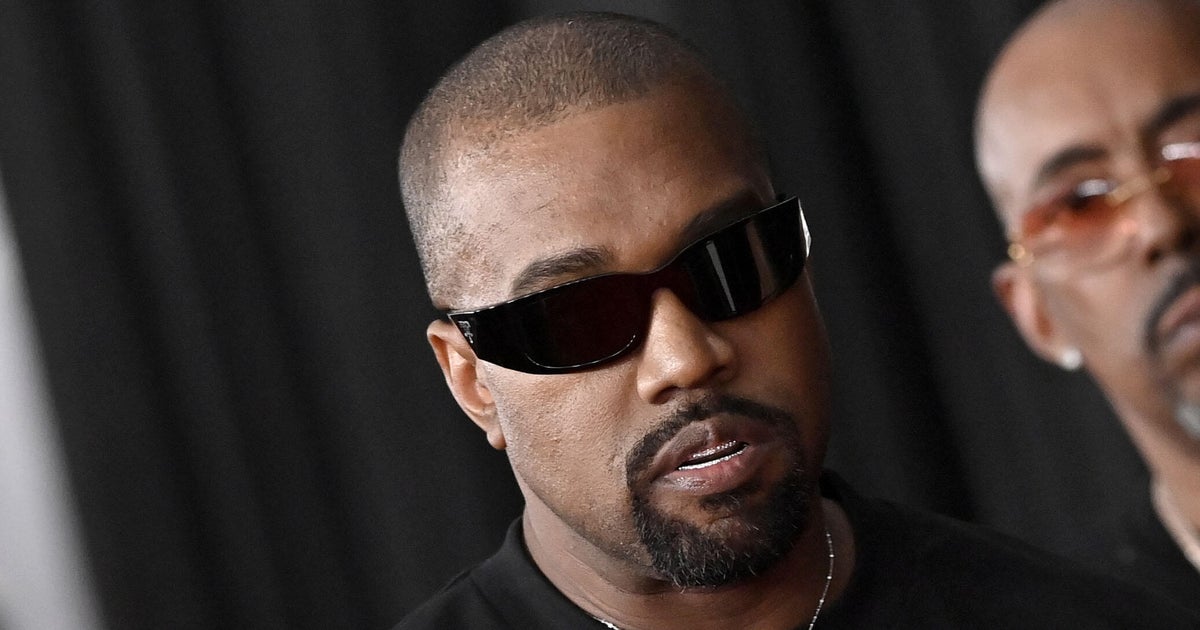
LONDON — The British government has barred the rapper formerly known as Kanye West, who now goes by Ye, from entering the United Kingdom, derailing his planned headline performance at the Wireless Festival in July. The decision, announced Tuesday, stems from backlash over Ye's history of antisemitic remarks, leading festival organizers to cancel the three-day event entirely and issue refunds to ticket holders.
According to the Home Office, Ye's electronic travel authorization was withdrawn because his presence in the U.K. would not be "conducive to the public good," as reported by CBS News partner network BBC News. The outdoor festival, set for July 10-12 at London's Finsbury Park, was expected to draw around 150,000 attendees over the weekend. Organizers from Festival Republic confirmed the cancellation in a statement, citing the travel ban as the direct cause.
U.K. Prime Minister Keir Starmer swiftly endorsed the government's action on social media, stating, "Kanye West should never have been invited to headline Wireless. This government stands firmly with the Jewish community, and we will not stop in our fight to confront and defeat the poison of antisemitism. We will always take the action necessary to protect the public and uphold our values." Starmer's comments came amid growing pressure from politicians and sponsors to scrap Ye's booking, which he had described earlier as "deeply concerning."
The controversy erupted shortly after Ye was announced as a headliner last month, reigniting scrutiny of his past statements. Ye, 48, has faced widespread condemnation for antisemitic comments, including praising Adolf Hitler and releasing a song titled "Heil Hitler" last year. He also advertised a swastika-emblazoned T-shirt on his website, actions that prompted major backlash across the music industry and beyond.
In response to the mounting criticism, Ye issued a statement Tuesday expressing a desire for dialogue. "I would be grateful for the opportunity to meet with members of the Jewish community in the U.K. in person, to listen," he said. "I know words aren't enough — I'll have to show change through my actions. If you're open, I'm here." This follows a public apology Ye published in January as a full-page advertisement in The Wall Street Journal, where he attributed his behavior to a "four-month long, manic episode of psychotic, paranoid and impulsive behavior" triggered by his bipolar disorder, which he said "destroyed my life."
Phil Rosenberg, president of the Board of Deputies of British Jews, acknowledged Ye's overture but set conditions for any meeting. "The Jewish community will want to see a genuine remorse and change before believing that the appropriate place to test this sincerity is on the main stage at the Wireless Festival," Rosenberg said. He indicated the group would be willing to engage if Ye withdrew from the event, emphasizing the need for tangible proof of reform over performative gestures.
Festival organizers initially defended their decision to book Ye, with managing director Melvin Benn of Festival Republic issuing a statement Monday urging compassion. "We are not giving him a platform to extol opinion of whatever nature, only to perform the songs that are currently played on the radio stations in our country and the streaming platforms in our country and listened to and enjoyed by millions," Benn wrote, calling for "forgiveness and hope." However, this stance drew sharp rebuke from government officials.
U.K. Health Secretary Wes Streeting dismissed the organizers' position as "absurd" and reiterated that Ye should "absolutely not" perform at the festival. Earlier, a senior government member had echoed this sentiment, advising against the booking. Streeting's comments highlight the political dimensions of the saga, as the new Labour government under Starmer has prioritized combating antisemitism since taking power in July.
The fallout extended to the festival's commercial partners, with major sponsors pulling their support in the wake of Ye's announcement. Pepsi, Rockstar Energy, and Diageo all withdrew sponsorship, citing concerns over the rapper's controversial history. These exits amplified the financial and reputational risks for Festival Republic, which had already faced calls to cancel from advocacy groups and public figures.
Ye's troubles in the U.K. are part of a broader pattern of repercussions following his inflammatory rhetoric. In the United States, he lost partnerships with Adidas, Gap, and other brands after a series of antisemitic outbursts in late 2022, including tweets declaring "death con 3 on JEWISH PEOPLE." Those incidents led to his temporary removal from social media platforms and a significant dent to his net worth, once estimated at over $2 billion.
Despite the apology and offers of reconciliation, skepticism persists among critics. Rosenberg's cautious response underscores a wariness within the Jewish community, which has seen a rise in antisemitic incidents in the U.K. following global events like the Israel-Hamas conflict. According to the Community Security Trust, antisemitic offenses in Britain surged by 147% in the months after October 7, 2023, prompting heightened vigilance from authorities and community leaders.
The Wireless Festival cancellation marks a rare instance of a government directly intervening in a cultural event over an artist's past statements. While the Home Office has broad powers to deny entry on public good grounds, such bans are typically reserved for security threats rather than hate speech. Legal experts note that Ye's case could set a precedent for how the U.K. handles performers with divisive views, potentially influencing future bookings at major events.
A representative for Ye did not immediately respond to requests for further comment beyond his Tuesday statement. Festival Republic has not detailed the full economic impact of the cancellation, though with tickets already on sale, the refunds could run into millions of pounds. The venue, Finsbury Park, has hosted the event annually since 2005, drawing top acts like Nicki Minaj and Travis Scott in previous years.
As the dust settles, the episode highlights ongoing tensions between artistic freedom and accountability in the music world. Organizers like Festival Republic argue for second chances through performance platforms, while officials and community representatives stress the dangers of normalizing harmful rhetoric. For Ye, the U.K. ban closes one door but leaves open questions about his path to redemption, particularly as he seeks meetings to demonstrate change.
Looking ahead, the Wireless Festival's future remains uncertain, with organizers scrambling to reschedule or rebrand without its star attraction. Meanwhile, Starmer's government continues its push against antisemitism, with recent pledges to strengthen hate crime laws and support for Jewish institutions. The incident serves as a stark reminder of how past actions can reverberate through international stages, forcing artists and event planners to navigate a landscape increasingly intolerant of bigotry.