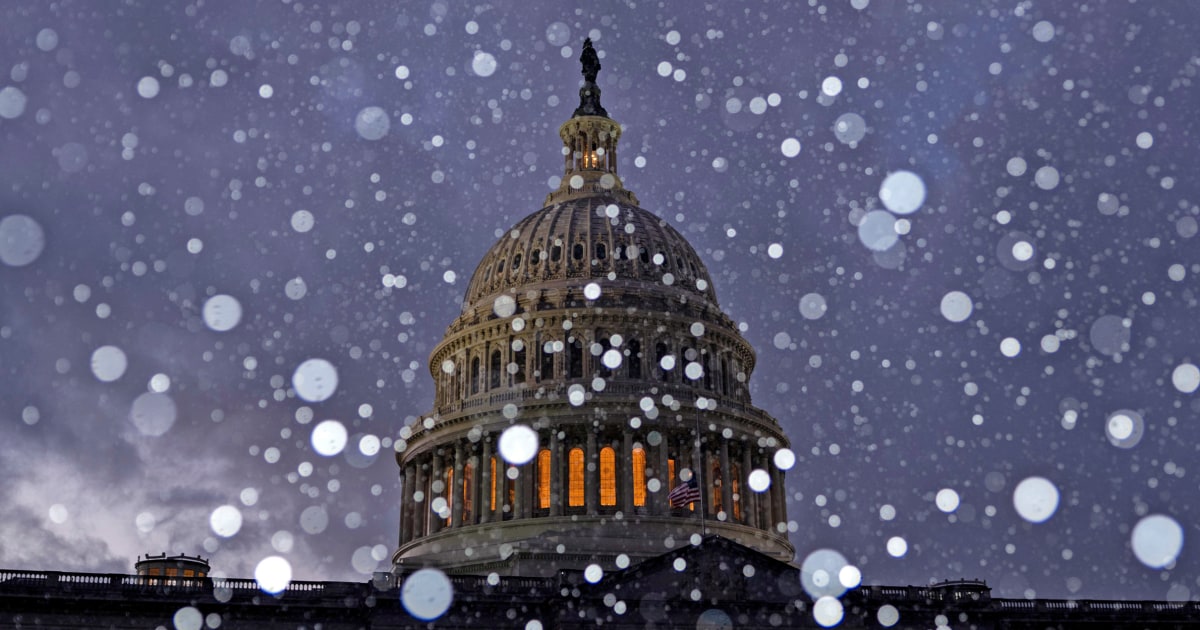
A massive winter storm is barreling across the United States, bringing dangerously cold temperatures, heavy snow, sleet, and freezing rain to tens of millions of people from the northern Plains to the Northeast. As of Friday, the storm has already plunged subzero temperatures into the northern Plains, and forecasters warn it will push into the Mississippi Valley before reaching the Ohio Valley and Northeast by Sunday. Southern states, including Texas, could see life-threatening cold as early as Saturday, according to the National Weather Service.
The storm's path is being closely tracked by the National Oceanic and Atmospheric Administration’s Weather Prediction Center, which has issued a Winter Storm Severity Index to gauge the potential dangers to travel and infrastructure. This index considers factors such as expected snow accumulation, ice buildup, and the risk of blowing snow. "The Weather Prediction Center uses forecasts of various factors, including the amount of snow expected, projected accumulation of ice and the likelihood of blowing snow, to help predict how bad it will get in certain places," explained NBC News in its coverage of the unfolding event.
Interactive maps from the center, updated every two hours, show the storm's forecast over the next 72 hours. These visualizations highlight areas where conditions could turn severe, with high-risk zones marked for potential disruptions. In the northern states, residents are bracing for snow-covered roads and persistent subzero temperatures that could linger for days.
Further south, the impacts are expected to be equally hazardous but in different forms. The National Weather Service predicts that snow and ice in Southern states will lead to hazardous travel conditions, prolonged power outages, and falling trees. Officials in Texas, where winter storms have historically caused widespread blackouts, are urging preparedness as temperatures drop dangerously low starting Saturday.
This storm comes on the heels of a relatively mild early winter in many parts of the country, but meteorologists note that such systems are not uncommon during this season. The northern Plains, including states like North Dakota and Minnesota, felt the initial brunt with temperatures dipping well below zero early in the week. From there, the cold front has been moving eastward, gathering moisture that will fuel heavier precipitation as it advances.
In the Mississippi Valley, which encompasses parts of Illinois, Missouri, and Arkansas, the storm is projected to arrive over the weekend, bringing a mix of snow and sleet. Forecasters emphasize the risk of icy roads, which could snarl holiday travel plans for millions heading home for Christmas and New Year's. The Ohio Valley, including Ohio, Kentucky, and West Virginia, will likely see the storm's peak by Sunday, with accumulations that could exceed several inches in some areas.
The Northeast, from New York to Maine, is preparing for a wintry blast that could disrupt urban centers and rural communities alike. Cities like Boston and Philadelphia have already issued weather advisories, advising residents to stock up on essentials and avoid unnecessary travel. "Tens of millions across much of the country can expect heavy snow, sleet and freezing rain," according to reports from the Weather Prediction Center.
Southern states face a different challenge: unaccustomed to such cold, infrastructure in places like Texas may struggle with the freeze. The 2021 winter storm in Texas, known as Uri, left millions without power for days and caused hundreds of deaths, serving as a stark reminder of the vulnerabilities. This time, energy officials are monitoring grids closely, but the potential for outages remains high if ice weighs down power lines.
Evan Bush, a science reporter for NBC News, highlighted the storm's rapid progression in his reporting. Collaborating with data editor Joe Murphy and senior interactive journalist Jiachuan Wu, Bush noted that the system "hit the northern Plains with subzero temperatures" before setting its sights on broader regions. Their team's interactive map provides real-time insights, helping emergency managers and the public alike.
While the primary threats are weather-related, secondary risks include health concerns from extreme cold, such as hypothermia and frostbite. Public health officials recommend layering clothing, staying indoors when possible, and checking on vulnerable populations like the elderly and homeless. In urban areas, space heaters could strain electrical systems, exacerbating outage risks.
Transportation authorities across affected states are on high alert. Airlines have warned of potential delays and cancellations, while Amtrak and bus services may alter routes. Interstate highways in the storm's path, such as I-35 through Texas and I-90 in the Northeast, could see closures if conditions worsen.
Environmental experts point out that while this storm is severe, climate patterns may be influencing its intensity. Warmer oceans can lead to more moisture-laden systems, potentially amplifying snowfall in some regions. However, the immediate focus remains on safety and response rather than long-term trends.
As the storm evolves, updates from the National Weather Service will be crucial. The Weather Prediction Center's index categorizes severity levels, with higher ratings indicating greater threats to life and property. Current forecasts suggest moderate to high severity in the storm's core path, prompting governors in several states to declare states of emergency.
Looking ahead, the storm's aftermath could include cleanup efforts and recovery from any damages. Power companies are pre-positioning crews, and snow removal teams in northern cities are gearing up for round-the-clock operations. Residents are advised to follow local alerts and have emergency kits ready, including non-perishable food, water, and backup heating sources.
In the broader context of this winter season, this event underscores the unpredictability of U.S. weather. From the Plains to the coasts, communities are uniting in preparation, drawing lessons from past storms to mitigate impacts. As Sunday approaches, the nation watches closely, hoping for a swift passage and minimal disruption to the holiday spirit.