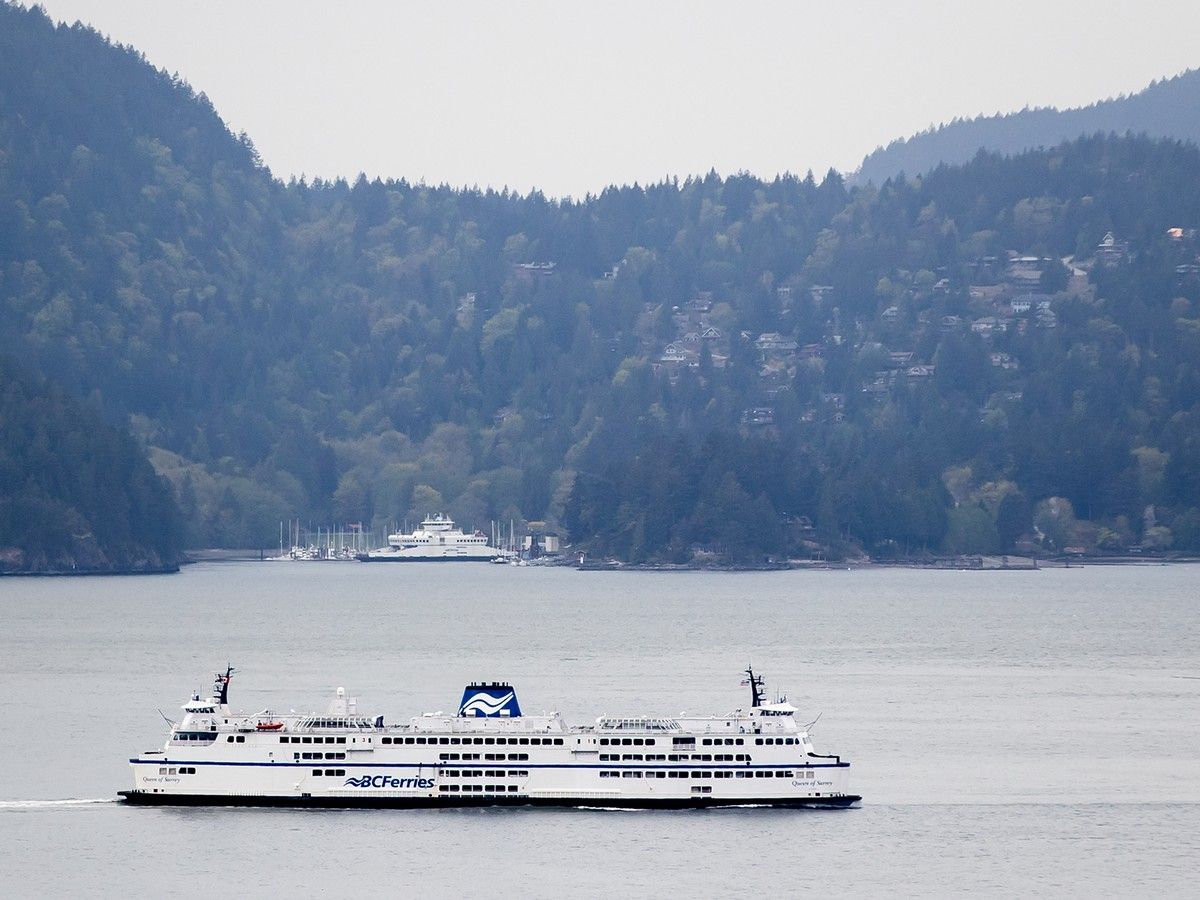
VICTORIA, British Columbia — Travelers heading into the Easter long weekend faced significant disruptions on British Columbia's vital ferry routes as multiple vessels encountered mechanical failures, leading to a series of cancellations across three major corridors.
According to B.C. Ferries officials, the issues began on Saturday when a propulsion system malfunction on the Island Discovery ferry halted all scheduled service between Blubber Bay on Texada Island and Westview in Powell River. The cancellation was set to last until at least April 9, stranding passengers and vehicles during one of the busiest travel periods of the year.
The problems escalated on Sunday morning with a steering panel difficulty on the Queen of Surrey, which resulted in the suspension of six sailings between Horseshoe Bay in West Vancouver and Langdale on the Sunshine Coast. The affected departures ran from 7:30 a.m. until 1:15 p.m., after which a replacement vessel was brought in to resume operations, B.C. Ferries reported.
Further complications arose later that afternoon on the route from Tsawwassen in Vancouver to Duke Point in Nanaimo, where two sailings were cancelled due to another mechanical issue. Officials announced four additional cancellations for Monday, compounding the frustration for holidaymakers eager to reach Vancouver Island and beyond.
These incidents were not isolated; they followed pre-weekend cancellations stemming from the ongoing unavailability of the Spirit of Vancouver Island and the Queen of Surrey. The Queen of Surrey had briefly returned to service over the weekend before succumbing to its latest failure on Sunday, highlighting what some critics described as systemic vulnerabilities in the fleet.
To mitigate the impact on the Texada Island community, B.C. Ferries deployed the Salish Orca on a modified schedule to serve Blubber Bay. Additionally, a water taxi was arranged to provide foot passenger service between Westview and the Texada Boating Dock, ensuring some connectivity for residents and visitors without vehicles.
The disruptions drew sharp criticism from political figures, including B.C. Conservative transportation critic Harman Bhangu, who visited the Tsawwassen terminal on Sunday afternoon. In a social media post, Bhangu described the scene as "absolute mayhem," adding, “Ferries are getting cancelled left, right and centre.” He blamed the issues on long-term neglect, stating, “This did not happen overnight. It has been one failure after the other. The (B.C. Ferries) board has been completely incompetent. The NDP has had nine years to fix this.”
Bhangu's visit came after other Conservative MLAs, including Jordan Armstrong and Angela Jong, had also inspected the terminal. His post included photos of long lines and frustrated travelers, underscoring the real-time chaos at one of the province's busiest ferry hubs.
B.C. Ferries president and CEO Nicholas Jimenez acknowledged the challenges in a statement late last week, attributing the breakdowns to the age of the fleet. “Our ships work incredibly well even though they’re old. We don’t have issues often, but when we do, understandably, they cause people challenges for travel,” Jimenez said.
The company has been proactive in addressing its aging infrastructure, with eight new vessels currently on order. This includes four Island-class ships designed for shorter routes, expected to arrive from a shipyard in Romania later this year and into 2025. For major routes, four larger vessels are being built in China, with construction slated to begin next year and the first deliveries anticipated starting in 2029.
In a bid to bolster reliability, B.C. Ferries applied for funding for a fifth relief vessel to serve as a backup during breakdowns. However, the province's ferry services commissioner rejected the request, deeming it “not fiscally prudent” at this time, according to company filings.
The Easter weekend woes come amid broader concerns about B.C. Ferries' operational reliability, especially as demand surges during holidays. The corporation, which operates 17 vessels across 24 destinations, has faced increasing scrutiny over maintenance costs and service interruptions in recent years. Last year's data showed a rise in mechanical incidents, prompting calls for accelerated fleet modernization.
Passengers affected by the cancellations expressed mixed reactions. While some appreciated the quick deployment of alternatives like the water taxi, others reported hours-long waits and rerouting headaches. One traveler at Tsawwassen, speaking on condition of anonymity, told reporters it felt like “a nightmare” for family plans over the long weekend.
Looking ahead, B.C. Ferries has promised to monitor the situation closely, with repair teams working around the clock on the affected vessels. The Island Discovery's service resumption on April 9 remains tentative, pending successful fixes to its propulsion system. For the Sunshine Coast and Vancouver-Nanaimo routes, normal schedules are expected to resume fully by Tuesday, barring any further issues.
The incidents highlight the delicate balance B.C. Ferries must strike between maintaining an aging fleet and investing in the future. With tourism and commerce heavily reliant on these coastal lifelines, stakeholders from coastal communities to Victoria policymakers are watching closely for signs of improvement. As Jimenez noted, while breakdowns are infrequent, their timing during peak periods amplifies the impact on British Columbians who depend on the ferries for daily life and leisure.
In the broader context, the NDP government, which oversees ferry funding through the Ministry of Transportation, has defended its investments in the system. Officials point to a $1.5 billion capital plan over the next few years aimed at upgrades, though critics like Bhangu argue it's insufficient given the scale of the backlog. The ferry commissioner's decision on the relief vessel underscores ongoing debates over fiscal priorities in a province grappling with infrastructure demands.
As the Easter holiday winds down, the hope is that calmer seas—both literal and figurative—will prevail. For now, the mechanical mishaps serve as a stark reminder of the vulnerabilities in one of Canada's most essential transportation networks, where a single failure can ripple across islands and communities.