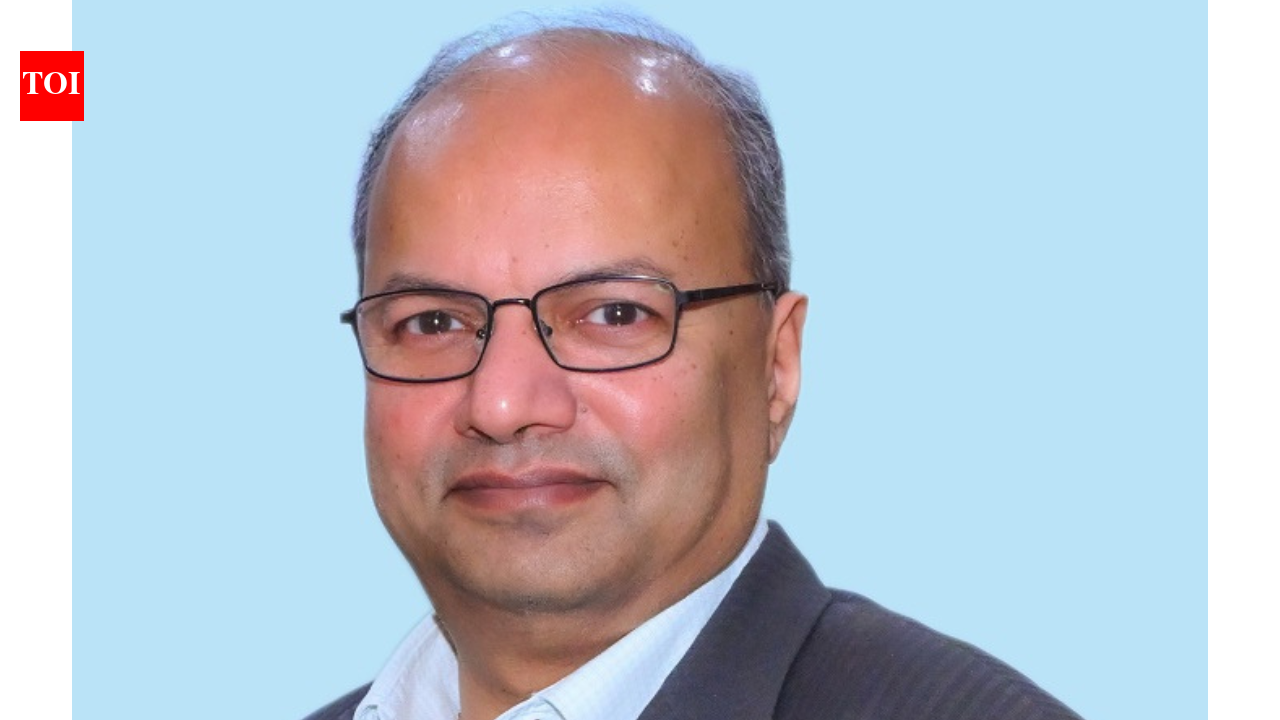
Manindra Agrawal, director of the Indian Institute of Technology Kanpur, has been elected a Fellow of the Royal Society, one of the world's oldest and most prestigious scientific academies. The honor places him alongside historical figures such as Isaac Newton and Albert Einstein, according to a report from the Times of India.
The election recognizes Agrawal's contributions to theoretical computer science, particularly his work on primality testing. Officials at IIT Kanpur confirmed the development in recent days, noting that the Royal Society fellowship is awarded to individuals who have made substantial contributions to the improvement of natural knowledge.
According to the Times of India Science Desk, Agrawal joins a select group of scientists whose work has shaped modern understanding in their fields. The Royal Society, founded in 1660, has counted more than 8,000 fellows over its history, including many Nobel laureates.
Agrawal's achievement highlights the growing recognition of Indian researchers on the global stage. IIT Kanpur, located in Uttar Pradesh, has long been known for its strong programs in engineering and technology, and this latest honor adds to its reputation.
Reports indicate that the fellowship was announced as part of the Royal Society's annual intake of new members. While specific details on the selection process remain limited in public statements, the institution typically evaluates candidates based on peer-reviewed accomplishments and impact.
In a statement attributed to the coverage, the TOI Science Desk described the news as part of its ongoing effort to highlight scientific milestones. The desk focuses on topics ranging from genetic engineering to artificial intelligence, aiming to make complex discoveries accessible to readers.
Agrawal previously gained international attention for developing the AKS primality test in collaboration with colleagues. That algorithm provided a deterministic way to determine whether a number is prime, advancing computational number theory.
University administrators at IIT Kanpur expressed pride in the recognition. They noted that such fellowships underscore the institute's commitment to excellence in research and education.
The Royal Society has historically included fellows from diverse backgrounds, though representation from India remains relatively modest compared to some other nations. Agrawal's election reportedly adds to a small but growing list of Indian scientists honored by the body.
Observers in the scientific community have pointed to this development as evidence of India's rising profile in fundamental research. Funding and collaboration opportunities may increase as a result, though officials have not yet detailed specific next steps.
Further context from the reporting emphasizes the role of institutions like IIT Kanpur in fostering innovation. The campus has produced numerous patents and research papers in recent years, contributing to both academic and industrial advancements.
While the full implications of the fellowship are still unfolding, Agrawal is expected to participate in Royal Society activities, including potential advisory roles on global scientific issues.
Additional details about the election timeline or ceremony have not been confirmed in available accounts. The Times of India article frames the story within broader narratives of scientific progress and discovery.