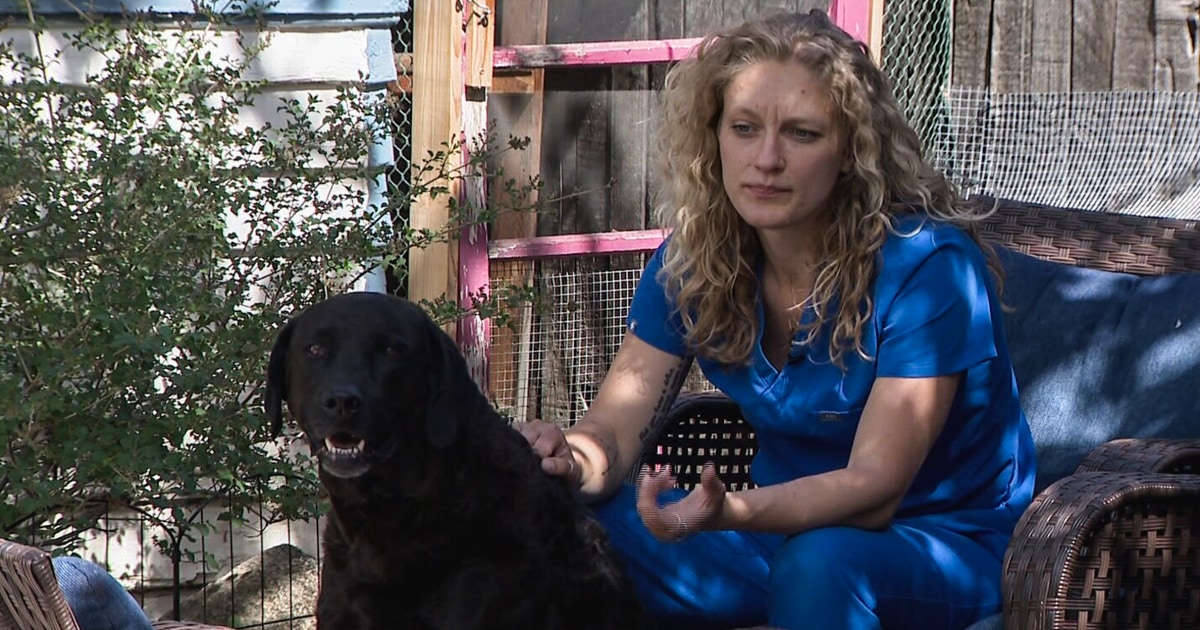
In the quiet suburb of Broomfield, Colorado, a family's beloved dogs have fallen victim to a bizarre and disturbing series of incidents involving methamphetamine-laced hot dogs tossed into their backyard. Police are investigating what they describe as targeted acts against the pets, with occurrences dating back to November, though the motive remains a mystery. The Broomfield Police Department has confirmed three separate events, two of which resulted in the animals ingesting the drugs and becoming severely ill.
The ordeal began last November when Jillian Frank's mother, a vegetarian who lives in the home about 18 miles northwest of Denver, discovered a hot dog on her patio. Curious about the unusual find, she cracked it open and found a crystal-like substance inside. According to Jillian Frank, the family initially dismissed it as an isolated act of cruelty. "She has no enemies or conflict. She doesn’t have any neighbor conflicts," Frank told NBC affiliate KUSA in Denver. "We just kind of assumed this was a random, malicious act of animal cruelty."
Testing by authorities later confirmed the substance was methamphetamine, a powerful and illegal stimulant. The incident raised alarms but did not immediately escalate concerns within the household. Broomfield police noted in a Facebook post that investigators believe the acts are intentional, aimed specifically at the family's dogs, though no suspects have been identified.
Just over a month later, on December 26, the situation took a more alarming turn. Jillian Frank noticed her dog, Gable, behaving erratically after apparently consuming something from the yard. "He won’t stop circling, he won’t stop panting, he won’t lay down," she recalled to KUSA. Rushing Gable to the veterinarian, Frank learned through testing that the dog had ingested methamphetamine, mirroring the earlier discovery.
The veterinary intervention was crucial, as symptoms of meth poisoning in animals can include hyperactivity, seizures, elevated heart rates, and in severe cases, death. Gable recovered after treatment, but the repeated nature of the incidents left the family unsettled. Police were notified promptly, adding this event to their ongoing probe into what appeared to be a pattern of animal endangerment.
The most recent episode occurred on March 22, involving another family member and pet. Annalyn Frank, Jillian's sister, took her dog Murray to the vet after observing distressing symptoms. "He was just spinning in circles and foaming at the mouth," she described to reporters. Tests revealed not only methamphetamine but also MDMA, commonly known as ecstasy, in Murray's system—a combination that heightened the danger to the animal's health.
Broomfield police have classified all three incidents as connected, based on the similar method of delivery: hot dogs laced with drugs placed in the backyard. "Investigators believe someone is targeting the pets," the department stated on social media, urging residents to remain vigilant. Despite the family's insistence that there are no known disputes or enemies, the acts suggest a deliberate campaign, possibly rooted in personal grudge or random malice.
The Franks have no history of neighborhood conflicts, according to Jillian, who emphasized their mother's peaceful lifestyle. The home, once a sanctuary for the vegetarian retiree, now feels violated. In response to the threats, the family installed security cameras around the property and erected high netting along the fence to prevent further access by outsiders or stray items.
Annalyn Frank expressed frustration over the lack of answers. The presence of MDMA in the latest incident introduces additional questions, as it differs from the pure meth found previously. Police have not speculated on whether this indicates multiple perpetrators or an evolution in the method, but they are treating it as part of the same investigation.
Local authorities have increased patrols in the area and are appealing for public tips. "We don't know who's responsible or why," police acknowledged in their updates, highlighting the challenge of piecing together evidence without witnesses or clear motives. The case has drawn attention from animal welfare advocates, who decry the cruelty involved in using pets as unwitting targets for illicit substances.
Experts in veterinary toxicology note that methamphetamine exposure in dogs can lead to long-term health issues, including organ damage and behavioral changes, even after recovery. Organizations like the ASPCA have resources for pet owners dealing with poisoning, emphasizing the importance of immediate medical attention. In Colorado, where drug-related crimes are a persistent concern, this incident underscores the unpredictable ways narcotics can spill into everyday life.
The broader context in Broomfield, a family-oriented community with a population of around 75,000, includes occasional reports of petty vandalism but nothing resembling this targeted animal harm. Nearby Denver has seen rises in meth-related arrests, according to state data from the Colorado Department of Public Safety, but linking this to larger drug trends remains speculative.
For the Frank family, the emotional toll is mounting. Jillian described the impact on her mother: "This was finally her safe space, and it’s just been ripped away from her for no reason." The decision to relocate has been made, with plans underway to find a new home away from the tainted property. Annalyn echoed the sentiment, noting how the dogs' suffering has bonded the family in worry and resolve.
As the investigation continues, police are analyzing any available surveillance footage and canvassing neighbors for leads. The case serves as a stark reminder of the vulnerabilities in suburban settings, where backyards are meant for play, not peril. Community members have rallied in support, with some offering to monitor the area while the Franks prepare for their move.
While the perpetrators remain at large, the Broomfield Police Department remains committed to resolving the mystery. "We urge anyone with information to come forward," officials said, providing contact details for tips. For now, the family hopes for closure, allowing their dogs—and themselves—to reclaim a sense of security in an otherwise peaceful corner of Colorado.