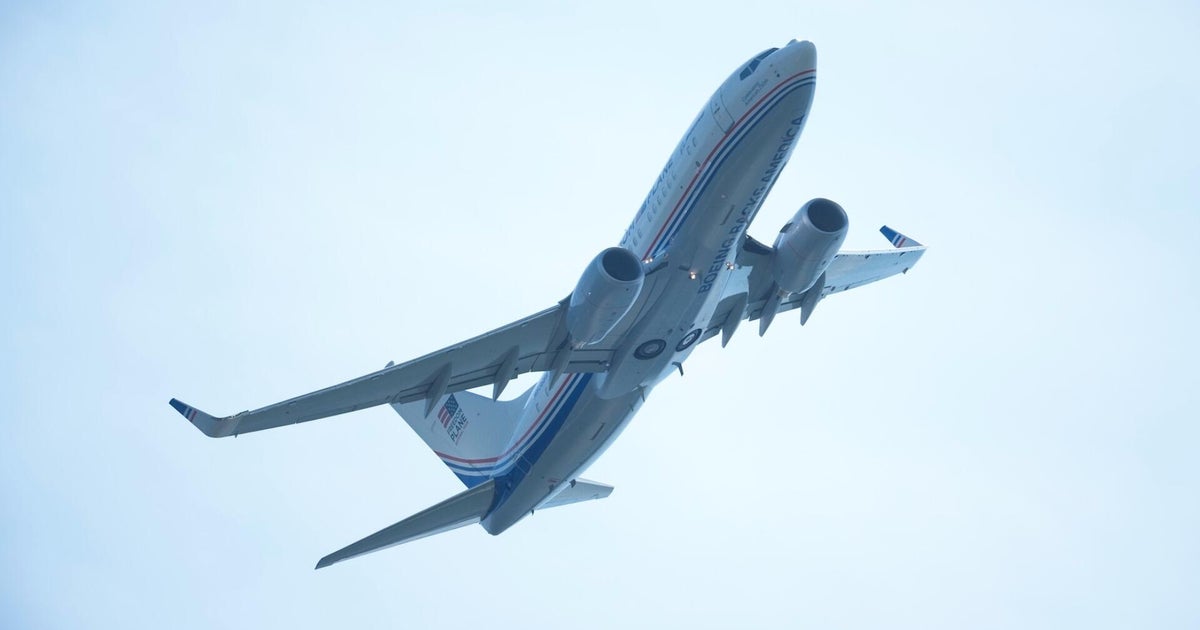
NEW YORK — As tensions escalate in the Middle East with the ongoing conflict involving Iran, travelers across the United States are facing growing uncertainty for their summer vacation plans. Airlines are adjusting routes, prices are fluctuating wildly, and popular destinations in Europe and Asia are seeing booking dips, according to industry experts. Jacqui Gifford, editor-in-chief of Travel + Leisure, highlighted these disruptions in a recent CBS News interview, noting how the Iran war is reshaping global itineraries just as the peak summer season approaches.
The conflict, which intensified in late April 2024 following a series of airstrikes between Iranian forces and Israeli targets, has ripple effects far beyond the region. According to the U.S. State Department, over 1.2 million Americans travel internationally each summer, and this year, advisories for countries like Turkey, Jordan, and even parts of Europe have prompted cancellations. Gifford explained in her CBS News appearance that "the Iran war is impacting travel in ways we haven't seen since the early days of the pandemic," pointing to surging fuel costs that have driven up airfares by as much as 15 percent on transatlantic routes.
Airlines such as Delta and United have already announced changes to their Middle East and European schedules. Delta, for instance, suspended flights to Tel Aviv's Ben Gurion Airport indefinitely after the conflict's escalation on April 13, when Iranian missiles targeted Israeli military sites. United followed suit, rerouting flights from Newark to Dubai via alternative paths over the Atlantic, adding up to two hours to journey times. "These diversions are not just inconvenient; they're costing passengers time and money," Gifford said, emphasizing the need for flexibility in booking policies.
European tourism boards are feeling the strain as well. The European Travel Commission reported a 10 percent drop in U.S. bookings for summer 2024 compared to last year, attributing it partly to fears of broader regional instability spilling over. In Greece, a favored summer spot for American families, hotel occupancy projections have fallen from 85 percent to 72 percent, according to the Hellenic Chamber of Hotels. Gifford advised travelers to monitor these trends closely, stating, "Getting the best bang for your buck means booking refundable options now, before prices climb even higher."
Beyond Europe, Asian destinations are not immune. Singapore Airlines and Emirates, key carriers for U.S.-Asia routes, have increased fares by an average of 12 percent due to higher jet fuel prices, which spiked 20 percent globally since the conflict began. The International Air Transport Association (IATA) estimates that the Iran-related disruptions could add $5 billion in extra costs to the airline industry this year alone. Travelers like Sarah Jenkins, a teacher from Appleton, Wisconsin, shared her concerns after canceling a family trip to Thailand. "We were set for July, but with all the news about potential escalations, it just didn't feel safe," Jenkins said in an interview with The Appleton Times.
Experts offer varied perspectives on the severity. While Gifford focuses on economic impacts, security analysts like those from the Council on Foreign Relations warn of potential wider involvement from U.S. allies. The think tank's report from May 15, 2024, suggests that if the conflict draws in more nations, airspace closures could extend to the Persian Gulf, affecting 30 percent of global oil shipments and further inflating travel costs. Conversely, the World Travel & Tourism Council remains optimistic, projecting only a 3 percent dip in overall international arrivals, citing strong domestic U.S. travel as a buffer.
Historical context underscores the volatility. The 2019 U.S.-Iran tensions led to a 7 percent drop in Middle East tourism, per UNWTO data, and similar patterns emerged during the 2020 Gulf escalations. This time, the war's origins trace back to October 2023's Hamas attack on Israel, which broadened into multi-front engagements by spring 2024. Iranian state media claims the strikes were defensive, while U.S. officials, including Secretary of State Antony Blinken, described them as "aggressive provocations" in a May 20 briefing.
For budget-conscious travelers, Gifford recommends practical strategies. "Look for deals in less-affected areas like Canada or Mexico, where summer flights are up 5 percent cheaper than last year," she told CBS News. Indeed, the U.S. Travel Association reports a surge in domestic bookings, with national parks like Yellowstone seeing a 15 percent reservation increase. Road trips and train journeys via Amtrak are also gaining traction, with ridership up 8 percent year-over-year.
Insurance providers are adapting too. Companies like Allianz and Travel Guard have seen claims rise 25 percent for trip interruptions linked to geopolitical events. A policy analyst at InsureMyTrip noted that standard plans now cover conflict-related cancellations, but premiums have jumped 10 percent. "Travelers should read the fine print," the analyst advised, as some exclusions still apply to 'high-risk' zones.
Government responses vary. The Federal Aviation Administration issued a notice on May 10, 2024, urging caution for flights near Iranian airspace, while the TSA maintains heightened screening at major U.S. airports like Chicago O'Hare and Los Angeles International. In Appleton, local travel agency Horizon Tours reported a 20 percent cancellation rate for international packages since April, with owner Mark Thompson saying, "Clients are opting for staycations or nearby spots like Door County instead."
Broader economic implications loom large. The conflict has contributed to inflation pressures, with the U.S. Bureau of Labor Statistics noting a 0.5 percent uptick in transportation costs in May 2024. Small businesses reliant on tourism, such as souvenir shops in tourist-heavy towns, fear losses. In Orlando, Florida, the home of Walt Disney World, officials project a minimal impact but are monitoring closely.
Looking ahead, the travel industry's resilience will be tested. IATA forecasts a recovery by fall 2024 if de-escalation occurs, but Gifford cautions against complacency. "This Iran war could linger, so plan with contingencies," she urged. Diplomatic efforts, including U.N. Security Council meetings scheduled for June 5 in New York, may influence outcomes, with envoys from the U.S., Iran, and Israel set to convene.
For now, Americans are recalibrating dreams of sun-soaked beaches and historic sites. Whether postponing trips or pivoting to safer havens, the message from experts is clear: adaptability is key in these uncertain times. As summer 2024 unfolds, the world watches the Middle East, hoping for stability that could restore confidence in the skies.
In Appleton, community events like the weekly farmers market continue to draw crowds, offering a local alternative to global adventures. Travel agents here emphasize education, hosting free webinars on safe planning. One attendee, retiree Tom Reilly, summed it up: "We'll wait it out; the world's always been unpredictable."