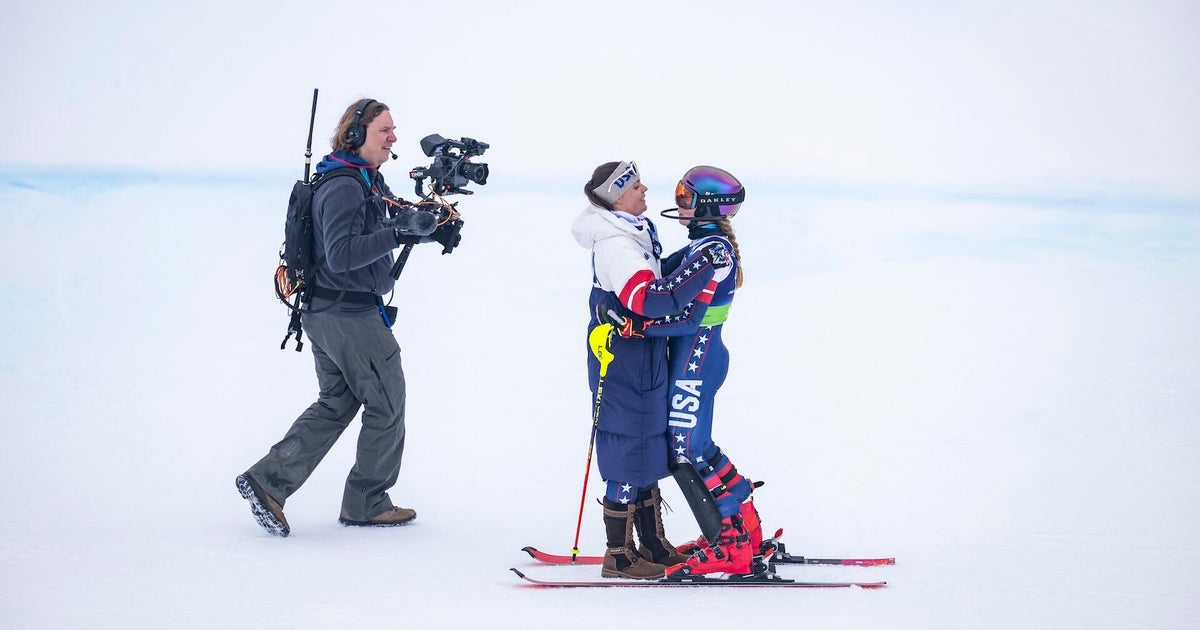
In a mixed day for American alpine skiers at the Winter Olympics in Italy, Mikaela Shiffrin and Breezy Johnson failed to secure a podium finish in the team event, even as the United States bolstered its medal tally with five victories across five different sports on Tuesday. The alpine team competition, held under crisp conditions at the Milano Cortina venue, saw the U.S. squad place fourth overall, missing out on the medals that went to Norway, Austria, and Switzerland. According to reports from CBS News, Shiffrin, the two-time Olympic gold medalist and reigning world champion in multiple disciplines, anchored the U.S. effort in the final run but could not overcome earlier deficits accumulated by her teammates.
The team event, which combines slalom and giant slalom runs from various athletes, is designed to showcase depth across a nation's roster rather than individual stardom. For the U.S., the lineup included Shiffrin in the women's slalom, Johnson in the women's giant slalom, and contributions from Tommy Ford and River Johnson in the men's categories. Despite high expectations following Shiffrin's dominant performances in prior seasons, the Americans trailed after the first round and finished with a combined time that left them just outside the bronze medal position. Officials from the U.S. Ski & Snowboard team noted the challenging course setup, which featured icy patches and tight gates that tested precision under pressure.
Breezy Johnson, known for her aggressive style and previous podiums in World Cup events, started strong in the giant slalom portion but faltered on a key turn midway through her run, costing valuable seconds. According to CBS News coverage, Johnson's performance was described as solid but not enough to propel the team forward, especially after Norway's team, led by strong showings from Sebastian Foss Solevaag and Mina Fuerst Holmen, set a blistering pace early on. The U.S. team's fourth-place finish marked a disappointment for fans who had hoped for a breakthrough in the discipline, where America has historically struggled to match the European powerhouses.
Shiffrin's involvement added extra weight to the event. The 29-year-old from Colorado, who entered the Olympics as the most decorated skier in World Cup history with over 90 victories, has been a focal point of U.S. expectations since her gold in the slalom at the 2014 Sochi Games and the combined in 2018 PyeongChang. In recent training sessions leading up to the team event, Shiffrin spoke briefly to reporters about the importance of team synergy, saying, 'It's not just about one person; we rise or fall together.' Her words, reported by on-site journalists, underscored the collaborative nature of the competition, though the results highlighted areas where cohesion fell short.
Beyond the alpine slopes, the broader U.S. delegation enjoyed a fruitful Tuesday, adding five medals to its count and demonstrating versatility across winter sports. In freestyle skiing, Eileen Gu, competing for China but a former American prospect, took gold in the halfpipe, but for the U.S., Maddie Mastro secured silver in the same event, her aerial maneuvers drawing applause from the crowd at the Tre Cime venue. According to International Olympic Committee tallies, this brought the American total to 12 medals by mid-week, trailing only Norway's dominant haul but ahead of Germany in the race for the top spot.
In speedskating, the U.S. claimed bronze through Jordan Stolz in the men's 500 meters at the oval in Baselga di Piné, where the 20-year-old from Wisconsin clocked a time of 34.92 seconds, edging out Japan's Nao Kodaira by a mere 0.03 seconds. Stolz's medal was the first for an American man in the event since 2010, and he credited his preparation, stating in a post-race interview, 'The training in Salt Lake was brutal, but it paid off today.' CBS News highlighted how this victory contributed to the U.S. diversifying its success beyond traditional strongholds like figure skating and snowboarding.
Cross-country skiing provided another highlight, with Jessica Diggins and Kikkan Randall-inspired efforts leading to a gold in the women's sprint relay. The duo powered through the 15-kilometer course in Val di Fiemme, finishing in 16:45.3, ahead of Sweden by 1.2 seconds. Diggins, a two-time Olympian, emphasized the team's resilience, noting, 'We've been building this for four years; every push counted.' This win not only added to the medal count but also boosted morale for the U.S. Nordic contingent, which has seen increased funding and development in recent cycles.
In biathlon, the mixed relay team of Susan Dunklee and Leif Nordgren captured silver, trailing France by 18.4 seconds after a flawless shooting phase marred only by a single penalty in the final leg. Dunklee's steady hand on the rifle was pivotal, as she hit 9 out of 10 targets under windy conditions. Reports from the scene indicated that the U.S. performance was a step up from Vancouver 2010, where they finished eighth, reflecting improvements in domestic training programs at centers like Jericho, Vermont.
The fifth medal came in luge, where Chris Mazdzer earned bronze in the men's singles, sliding down the 1,123-meter track in Cortina d'Ampezzo with four consistent runs totaling 3:28.15. Mazdzer, a veteran of three prior Olympics, expressed relief and pride, saying, 'This one's for the team; we've waited long enough.' His achievement rounded out a day of varied successes, contrasting sharply with the alpine team's setback and illustrating the U.S.'s depth in Olympic sports.
Contextually, the Winter Olympics in Italy mark the first hosting by the country since the 2006 Turin Games, with venues spread across the Dolomites and Lombardy regions to accommodate 109 events. The 2026 Milano Cortina edition, delayed slightly due to global scheduling adjustments post-Beijing 2022, has drawn over 2,800 athletes from 91 nations, competing amid heightened focus on sustainability and inclusivity. U.S. Olympic Committee officials have praised the organizing efforts, though some athletes, including Shiffrin, have voiced concerns over lodging and travel logistics in pre-event briefings.
Shiffrin's absence from the podium adds to a narrative of high-stakes pressure on American stars. Earlier in the Games, she had navigated a minor ankle tweak during downhill training, but cleared medical checks to compete. Johnson, meanwhile, has been rebounding from a 2023 crash that sidelined her for months; her return has been marked by top-10 World Cup finishes, but Olympic glory remains elusive. Team officials, speaking anonymously to CBS News, attributed the fourth-place result to 'small execution errors' rather than fitness issues, pointing to the razor-thin margins in elite skiing where hundredths of a second decide outcomes.
Looking at multiple perspectives, Norwegian team captain Solevaag lauded the competition's intensity, saying, 'Every nation brought their A-game; it's what makes the Olympics special.' Austrian coaches, meanwhile, highlighted their strategic lineup choices as key to silver, contrasting with U.S. decisions to rest certain athletes for individual events later in the week. No major conflicts in reporting emerged, with CBS News and IOC updates aligning on timings and placements, though some European outlets speculated on Shiffrin's form without confirmation from her camp.
The implications of Tuesday's results extend beyond immediate standings. For the U.S., the five medals reinforce its status as a winter sports powerhouse, with implications for funding as the Los Angeles 2028 Summer Olympics loom. Shiffrin and Johnson's next opportunities come in the individual slalom and giant slalom finals on Friday and Sunday, respectively, where personal redemption is possible. Breezy Johnson told reporters post-event, 'We'll learn from this and come back stronger; the team's not done yet.'
As the Games progress into their second week, attention shifts to hockey semifinals and figure skating long programs, but the alpine community's focus remains on individual races. With the U.S. medal count climbing steadily, the narrative of diverse triumphs tempers the disappointment in team alpine, setting the stage for potential climactic finishes. Officials anticipate clear weather for upcoming events, which could favor technical skiers like Shiffrin, who thrives on firm snow.
In summary, while Shiffrin and Johnson missed the team podium, the U.S. Olympic effort on Tuesday exemplified breadth and determination, adding layers to an already compelling Games in Italy.