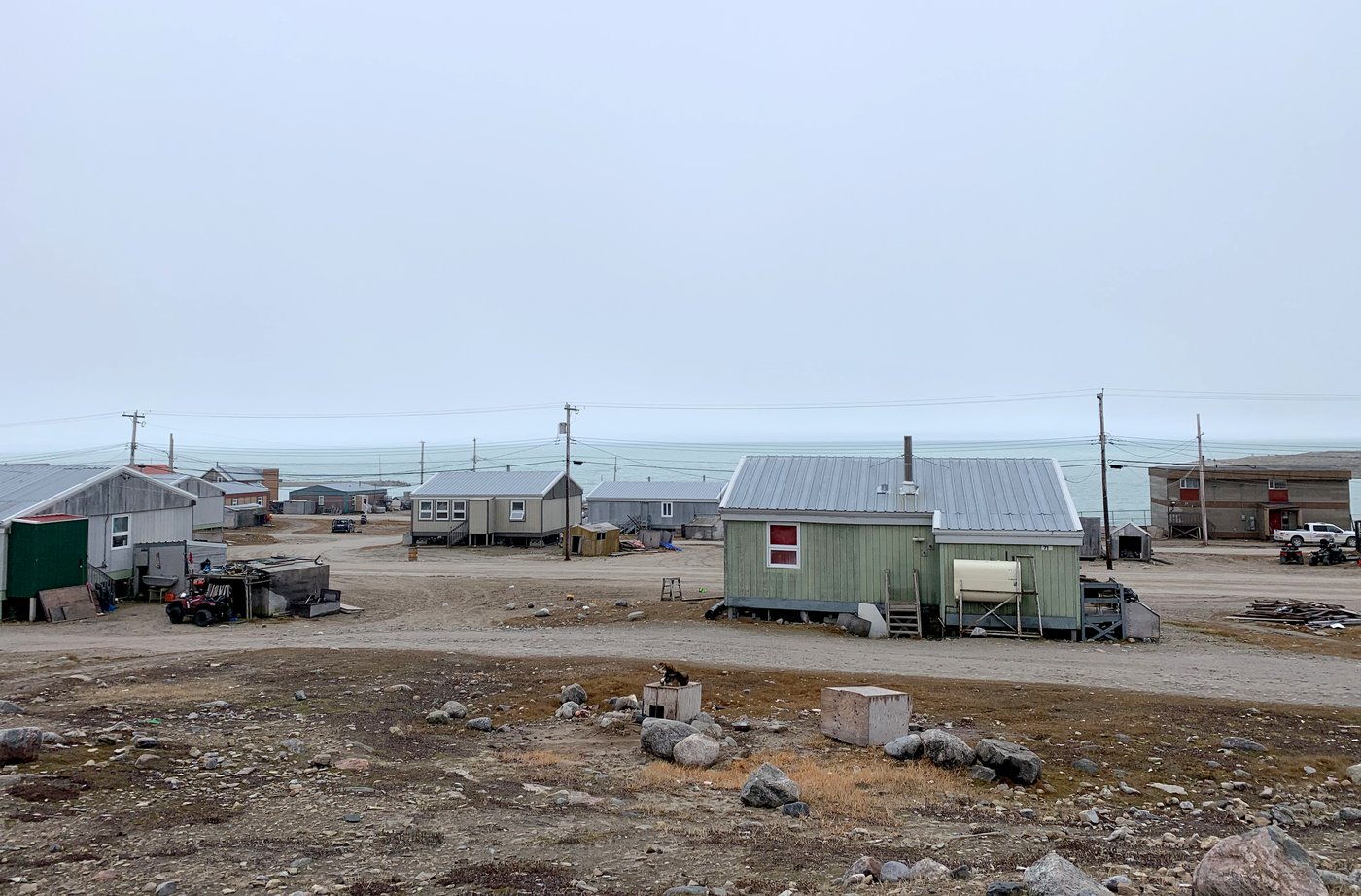
In the remote hamlet of Gjoa Haven on King William Island in Nunavut, a crisis unfolded this week as power outages left residents grappling with frigid temperatures and threats to their water supply. On April 11, 2026, Canada's emergency management minister, Eleanor Olszewski, announced her approval for the urgent deployment of Canadian Rangers to assist the community, according to a statement from her office. The Rangers, part of the Canadian Army Reserve, were tasked with distributing drinking water and providing logistical support amid the ongoing challenges.
The situation escalated when high winds hampered efforts to restore electricity, leading Qulliq Energy Corporation, the local utility provider, to issue updates on social media. On Wednesday, the corporation reported that workers were struggling to fix the outages due to the severe weather. Although service was temporarily restored, problems persisted, and a repair crew was unable to land in the community until Saturday because of poor conditions. By Saturday afternoon, Qulliq posted that power had been fully restored to all customers, but not before the disruptions had triggered a local state of emergency.
Olszewski's statement highlighted the gravity of the issue, noting that the power failures had threatened the community's water system. "The situation has threatened the community’s water system, triggering a local state of emergency," it read. The minister emphasized the collaborative response, stating that the Government Operations Centre within Public Safety Canada was coordinating with the Department of National Defence and the Canadian Armed Forces to ensure residents received the necessary support and resources.
Gjoa Haven, a small Inuit community of about 1,300 people located roughly 1,000 kilometers north of Yellowknife, relies heavily on stable power for essential services like heating and water treatment. The outages, which began several days earlier, came at a particularly harsh time, with temperatures dipping to around -25 C on Saturday. Such extreme cold amplifies the risks in isolated northern communities, where infrastructure is often tested by the Arctic environment.
The Canadian Rangers, described by the federal government's website as a sub-component of the Army Reserve, are uniquely suited for these missions. Composed of part-time soldiers who live and work in remote, isolated, and coastal regions, they provide light-equipped, self-sufficient forces for national security and public safety operations. Their deployment in this case underscores their role in supporting domestic emergencies, particularly in areas where regular forces might face logistical hurdles.
According to Olszewski, the Rangers' involvement would focus on immediate needs like water distribution, a critical task given that power interruptions can disable pumps and treatment facilities, potentially leading to shortages of potable water. The minister added in her statement, “We remain in close contact with the Government of Nunavut and will continue working closely with the territory to respond to the community’s needs.” This commitment reflects a broader federal-territorial partnership in addressing crises in Canada's North.
While Qulliq Energy's updates provided a timeline of the restoration efforts, details on the exact cause of the initial outages remain limited. The corporation's social media posts indicated that high winds were a primary obstacle, preventing safe access for repair teams. By Saturday, with the crew finally able to arrive, full power restoration was achieved, averting further immediate risks to the water system.
Officials from the Hamlet of Gjoa Haven and the Government of Nunavut were not immediately available for comment when approached by The Canadian Press, leaving some questions about on-the-ground impacts unanswered. Residents in such communities often face compounded challenges during outages, including reliance on backup generators for heat and the potential for spoiled food or frozen pipes. In Gjoa Haven, where diesel-powered plants supply electricity, weather-related disruptions are not uncommon, but this incident highlighted the vulnerabilities of remote infrastructure.
The deployment comes amid a history of similar interventions in Nunavut, where climate and geography frequently strain resources. For instance, past emergencies have seen Rangers assist with search-and-rescue operations or wildfire support in other northern locales. The federal government's quick response in this case aligns with its stated priorities for emergency preparedness in Indigenous and remote areas, as outlined in recent policy documents.
Broader context reveals that Nunavut, Canada's newest and largest territory by area, grapples with unique logistical issues. With many communities accessible only by air or sea, delays in supplies or repairs can extend crises. Qulliq Energy, which serves all 25 Nunavut communities, has faced criticism in the past for reliability issues, though the corporation maintains that extreme weather is a significant factor beyond its control.
As power returned on Saturday, the focus shifted to recovery. The Rangers' arrival was expected to bolster local efforts, ensuring that drinking water reached households without further delay. Olszewski's office indicated ongoing monitoring, with the Government Operations Centre playing a central role in coordinating aid.
Looking ahead, this event may prompt discussions on enhancing resilience in northern communities. Experts have long called for investments in renewable energy and backup systems to mitigate the impacts of outages. While the immediate threat has passed, the episode serves as a reminder of the delicate balance between technology and nature in Canada's Arctic regions.
In her statement, Olszewski reiterated the federal commitment: the collaboration with territorial partners would continue to address evolving needs. For the residents of Gjoa Haven, the restoration of power marks a return to normalcy, but the deployment of Rangers symbolizes a safety net in times of peril. As the community recovers, attention turns to preventing future disruptions in one of the world's most challenging environments.
The full scope of the outage's effects, including any economic or health impacts, will likely emerge in coming days. For now, the swift federal response has been praised in official channels, though local voices remain key to understanding the human story behind the headlines.