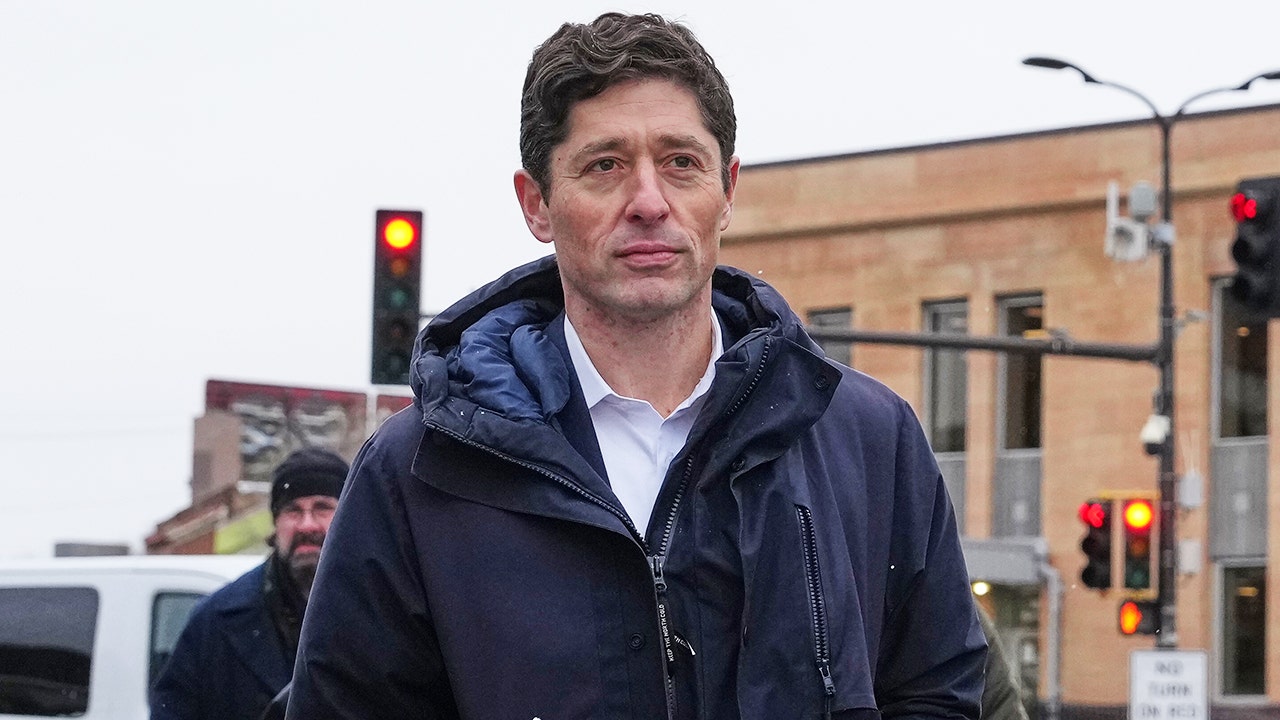
MINNEAPOLIS — Minneapolis Mayor Jacob Frey sidestepped a pointed question during a CNN interview about his opposition to an immigration enforcement policy that was once a hallmark of the Obama administration and is now being championed by President Donald Trump.
The exchange unfolded on Wednesday's edition of CNN's "The Arena with Kasie Hunt," where Frey was discussing the Trump administration's decision to withdraw 700 federal agents from the city. The pullback came in the wake of two deadly shootings last month involving federal officers, amid heightened tensions over immigration enforcement in the area.
Frey has been vocal in criticizing what he describes as "coercion" from the Trump administration on immigration matters. However, host Kasie Hunt pressed him on the specifics, noting that similar measures had been in place during the Obama years. "I take your point about the voting rolls for sure, but it is worth noting that during the Obama years, the Hennepin County Jail actually had a policy where they let an [Immigration and Customs Enforcement] ICE agent keep an office there and allowed them to talk to immigrants," Hunt said. She added, "So the policy has clearly been under a Democratic president what now the Trump administration is asking for."
Hunt further elaborated on the broader implications, asking, "I mean, big picture. Do you think it's good policy for the jails to follow an ICE detainer and hand someone over if they've committed a crime? And again, this only happens after they've served their time for whatever crime they may have committed against the people of Minnesota."
Frey responded by acknowledging the question but deflecting responsibility. "I mean, look, you're asking all the right questions here," he said. "And while I don't have full expertise in how the operations at the jail are conducted, again, that's not our jurisdiction."
He went on to explain potential legal pathways, stating, "What I would say is that there are mechanisms to do this lawfully. You know, the federal government could seek some form of federal warrant. That warrant could run part and parcel with the warrant that already exists at the state level. And if they were to do that, there would be a legal mechanism for detention after bail has been posted. And so, again, we're getting pretty technical here. But what we can't have from a legal perspective is a second detention after the obligations under the first detention have been met."
The interview highlighted ongoing friction between local officials in Minneapolis and federal immigration authorities. The city, located in Hennepin County, has long been a sanctuary jurisdiction, resisting cooperation with ICE on detaining undocumented immigrants. This stance has drawn sharp rebukes from the Trump administration, which views such policies as undermining national security.
White House border czar Tom Homan, who announced the withdrawal of the 700 agents, has been at the forefront of these efforts. The move was framed as a response to local resistance, particularly after incidents that included a journalist being attacked during a blockade protesting ICE activities. The reporter described the anti-ICE agitators as trying to "deter" the truth, according to reports from the scene.
Further context emerged from separate allegations of a "massive underground fraud network" allegedly fueling the anti-ICE push in Minneapolis, as detailed by a deputy attorney general. These claims suggest deeper organizational efforts to oppose federal immigration enforcement, though specifics remain under investigation.
In a parallel development, President Trump addressed the situation during an interview with NBC News on the same day. He clarified that he did not "want" to pull officers from the blue state but described it as a necessary trade-off for the release of illegal immigrant prisoners. "I learned that maybe we can use a little bit of a softer touch, but you still have to be tough," Trump said. "We're dealing with really hard criminals. But look… I've called the governor [Tim Walz], I called the mayor [Jacob Frey], spoke to [them], had great conversations with them. And then I see them ranting and raving out there, literally as though a call wasn't made."
Trump's comments underscore a perceived inconsistency in local-federal relations. Despite his outreach to Governor Tim Walz and Mayor Frey, the president expressed frustration over public criticisms from the officials, suggesting a breakdown in communication following private discussions.
The withdrawal of federal agents represents a significant escalation in the immigration debate, particularly in Democratic strongholds like Minnesota. Minneapolis has seen protests and legal challenges to ICE operations, including detainer policies that require local jails to hold individuals for potential deportation after serving sentences for local crimes.
During the Obama administration, such detainers were routinely honored in places like Hennepin County Jail, where ICE maintained an on-site office. This historical precedent contrasts with current local policies under Frey, who has prioritized community trust over federal cooperation. Critics, including conservative voices, argue that this shift endangers public safety by allowing potentially dangerous individuals to be released into communities.
Frey's office did not immediately respond to requests for additional comment from other media outlets following the CNN appearance. Meanwhile, the Trump administration continues to push for stricter enforcement nationwide, with Homan emphasizing the need to address what he calls sanctuary city obstructions.
Looking ahead, the situation in Minneapolis could influence broader immigration policy debates as midterm elections approach. Local leaders like Frey maintain that federal overreach undermines due process, while administration officials insist on the necessity of coordinated efforts to combat illegal immigration. The pullback of agents may signal a tactical retreat, but Trump hinted at a willingness to adapt with a "softer touch" in certain cases, potentially opening doors for future negotiations.
As tensions simmer, residents and advocates on both sides await further developments. The interplay between past Democratic policies and current Republican pushes highlights the evolving nature of immigration enforcement in America, where historical practices often resurface in new political contexts.