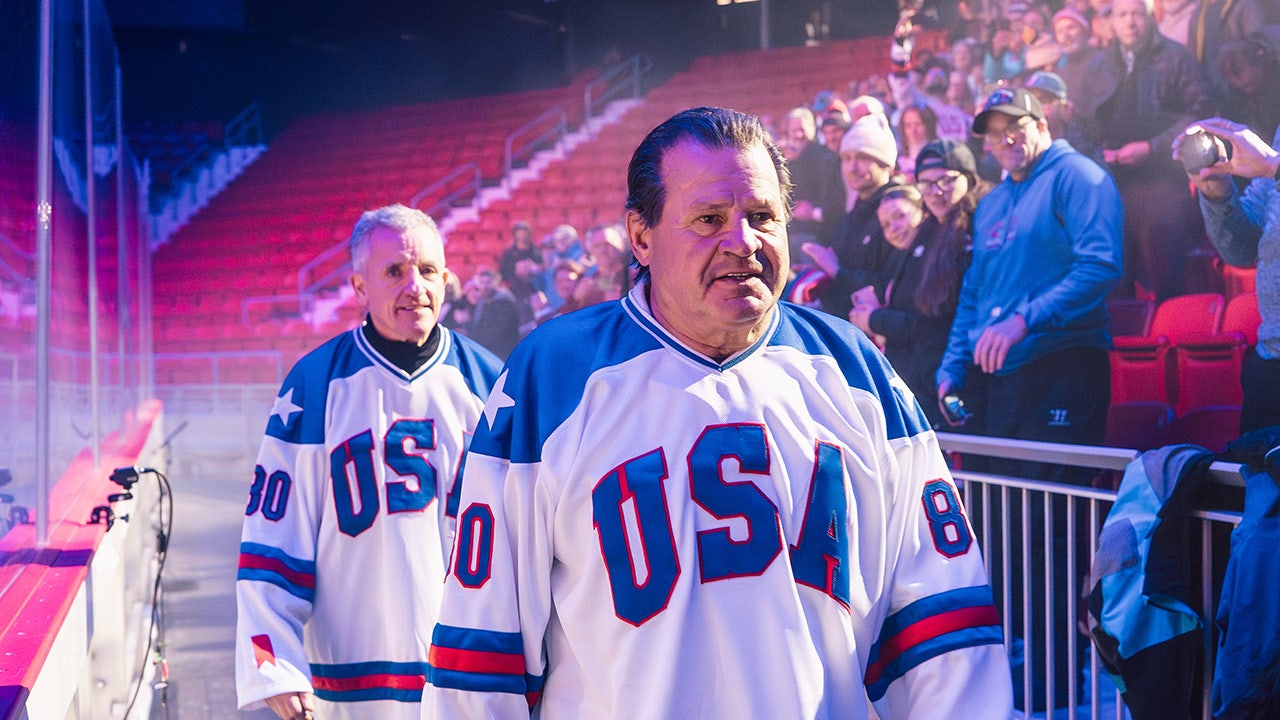
In a poignant reflection aired on the 46th anniversary of one of America's most cherished sports triumphs, Mike Eruzione, the captain of the 1980 U.S. Olympic hockey team, shared insights into the enduring legacy of the "Miracle on Ice." Speaking with CBS correspondent Cecilia Vega during the final minute of Sunday's "60 Minutes," Eruzione described the improbable victory over the Soviet Union as a shining example of American resilience. The interview, which revisited the iconic moment from the Lake Placid Winter Olympics, comes at a time when the U.S. men's hockey team has recaptured gold medal glory for the first time since that fateful year.
The "Miracle on Ice" unfolded on February 22, 1980, amid the tense backdrop of the Cold War. A roster of amateur players, many of them college athletes, stunned the world by defeating the heavily favored Soviet team 4-3 in the medal round semifinals. The game, held at the Olympic Center in Lake Placid, New York, ignited national pride and gave rise to the spontaneous "U-S-A! U-S-A!" chants that echoed through the arena and beyond. Two days later, on February 24, the Americans sealed their triumph with a 4-2 victory over Finland in the gold medal game, marking the first U.S. Olympic hockey gold since 1960.
Eruzione, now 69 and reflecting from his home state of Massachusetts, emphasized the team's blue-collar ethos during the "60 Minutes" segment. "I think the lesson that our team showed in 1980 by winning an Olympic gold medal, by beating the Soviets, a team that nobody in the world thought we could beat, is a great example of what makes our country so great," he told Vega. He credited coach Herb Brooks for fostering that spirit, recalling Brooks' description of the players as a "lunch-pail, hard-hat group of guys."
Continuing his thoughts, Eruzione highlighted the parallels between his team's underdog story and broader American history. "Guys who came to work every single day, rolled up our sleeves, striving to be the best that we could be, and I think when you look back on 250 years in our country, you've seen moments like that where despite the challenges and despite the fact that nobody thinks that we can achieve something, you find a way to do it," he said. The interview aired exactly 46 years after the Soviet upset, underscoring the event's timeless appeal.
The 1980 victory arrived at a moment when the nation craved uplift. The U.S. was grappling with economic stagnation, the Iran hostage crisis, and the lingering scars of Vietnam. As Eruzione noted, his team provided "something to feel good about." Even decades later, the impact lingers. "People come up to me this day and will say, 'I remember where I was when we won.' And I always go, 'We? I didn’t know you were on the team.' But that’s what that moment meant. If you believe in something, and you are willing to work for it, you can accomplish it and our team exemplified that," Eruzione shared.
Photographs from the era capture the intensity of the moment, including one of Eruzione shaking hands with Soviet players during an exhibition game on February 9, 1980, at Madison Square Garden in New York City. Another image shows the team celebrating their recent gold medal win, a nod to the continuity of U.S. hockey excellence. The Americans' latest triumph came on Sunday, when they defeated Canada 2-1 in overtime to claim gold in men's ice hockey—the first since 1980 and only the third in U.S. history.
Eruzione's reflections extend beyond nostalgia. Earlier this month, he voiced criticism on social media toward U.S. snowboarder Hunter Hess, who expressed mixed feelings about representing the country amid the Trump administration's immigration policies. In a now-deleted post on X, formerly Twitter, Eruzione wrote, "Hunter Hess US snowboarder saying he doesn’t represent his country but his family and friends. Then don’t put on the USA uniform maybe just put for family and friends. Some athletes just don’t get it." The comment highlighted Eruzione's strong views on national pride, a theme central to his "60 Minutes" appearance.
The Soviet team, known as the Red Army squad, had dominated international hockey for years, winning gold in four straight Olympics prior to 1980. Coached by Viktor Tikhonov, they featured professionals while the U.S. relied on amateurs under NCAA rules at the time. Brooks' innovative training regimen, including the infamous "Miracle Mile" scrimmages, pushed the Americans to their limits. The semifinal game's drama peaked in the third period, with Mark Johnson's tying goal at 8:39 followed by Eruzione's game-winner at 10:00, securing the upset.
Al Michaels' famous broadcast call—"Do you believe in miracles? YES!"—has become etched in sports lore. The victory propelled the U.S. to the final against Finland, where goals from Mark Johnson, Steve Christoff, and two from Phil Verchota clinched the gold. Post-game celebrations spilled into the streets of Lake Placid, a small Adirondack village that hosted the XIII Winter Olympics from February 13 to 29, 1980.
Recent reunions have kept the miracle alive. In 2023, surviving team members gathered in Lake Placid to "run back the miracle," retracing their paths and sharing stories. Eruzione, who scored 16 goals during the tournament, remains a vocal ambassador for the sport. His "60 Minutes" interview aligns with ongoing discussions about patriotism in athletics, especially as the U.S. navigates polarized times.
The Fox News report on Eruzione's interview, contributed to by Ryan Morik, notes the broader media coverage of the event's cultural impact. Lindsay Kornick, an associate editor for Fox News Digital, highlighted how the story resonates with current Olympic narratives. Meanwhile, CBS's Vega pressed Eruzione on the lessons for today's athletes, drawing connections to the women's hockey team ahead of their own pursuits.
Looking ahead, Eruzione's words offer inspiration as the U.S. builds on its hockey resurgence. The 2026 Winter Olympics in Milan and Cortina d'Ampezzo, Italy, will provide another stage for American teams to channel that 1980 spirit. With professional players now eligible since the NHL's participation began in 1998, the challenges differ, but the core message of perseverance endures.
Eruzione's critique of Hess, though deleted, underscores tensions around national representation. Hess, competing in the 2022 Beijing Games, had said he represented his family and friends rather than the country due to policy disagreements. Eruzione's response reflects a viewpoint held by some that Olympic uniforms demand full allegiance, a perspective not universally shared among athletes.
As the nation reflects on 250 years since the Declaration of Independence, moments like the Miracle on Ice serve as touchstones of collective achievement. Eruzione's interview reminds viewers that underdogs, with grit and unity, can defy odds—a lesson as relevant in sports arenas as in everyday life. With the U.S. hockey program's latest gold fresh in memory, the captain's story continues to unite generations.
The enduring chant of "U-S-A" from that February night in 1980 echoes still, a testament to a victory that transcended the ice. Whether in Lake Placid's historic rink or modern Olympic venues, the miracle's spirit persists, fueling dreams of future glories.