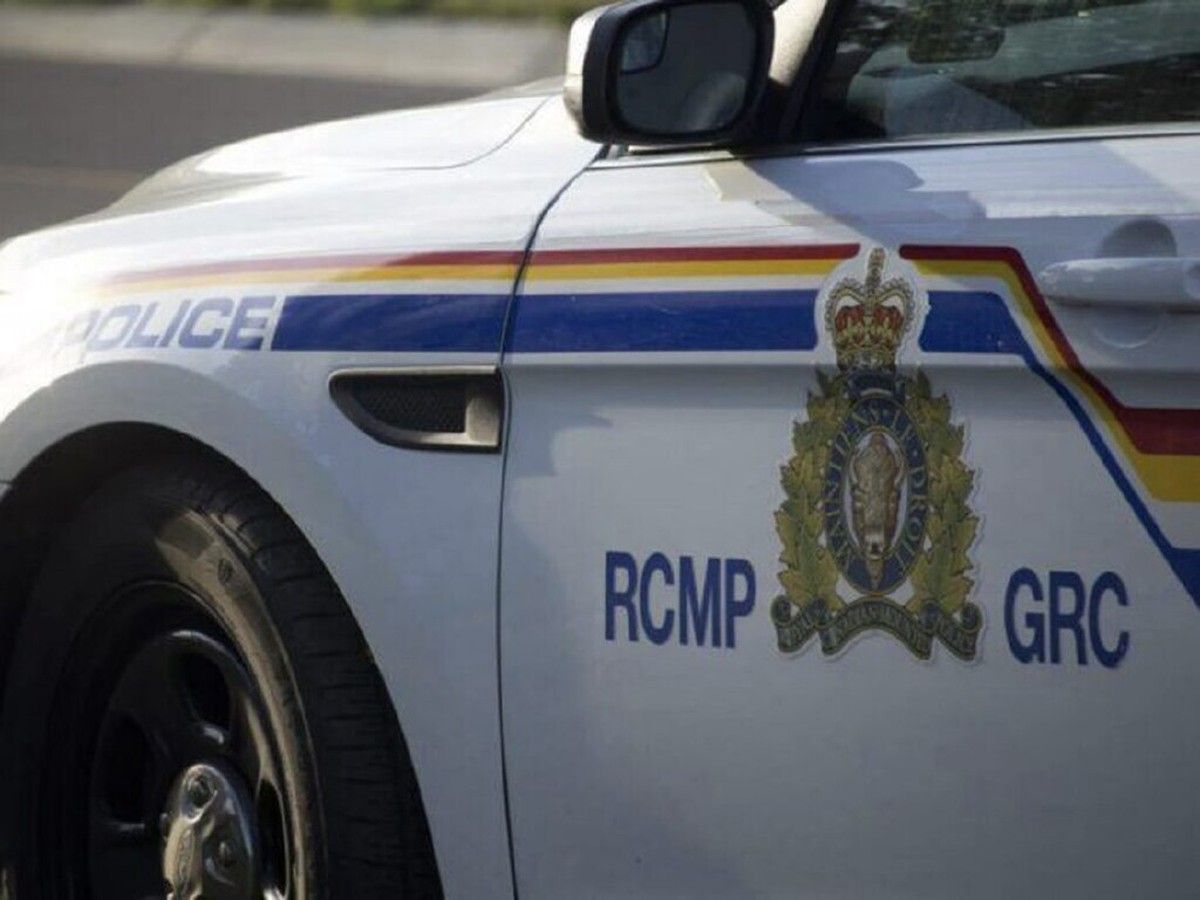
ATLIN, British Columbia — A snowmobiler missing since Friday in the remote wilderness of northwestern British Columbia was found dead on Sunday, approximately four kilometers from his last known position near the Yukon border. The incident unfolded during a routine retrieval mission in Haines Pass, where the man had become separated from his two companions amid harsh winter conditions.
According to the Atlin detachment of the Royal Canadian Mounted Police, the group had ventured out on snowmobiles to recover a broken-down machine when the tragedy occurred. The man failed to rejoin his party later that day, prompting the companions to alert authorities. "Police were notified later Friday when he failed to meet up with his party," the RCMP stated in a release, highlighting the swift response despite the challenging terrain.
Rescue operations were severely hampered by treacherous weather, including zero visibility and intense winter storms that blanketed the area. Haines Pass, a rugged mountain route straddling the Alaska Panhandle and British Columbia's northwest, is notorious for its unpredictable conditions, especially during the peak snowmobile season. Officials noted that these elements limited ground and aerial searches until a brief improvement in the weather on Sunday morning.
By around 2 p.m. that afternoon, a combination of helicopter support and a dedicated snowmobile team reached the remote site. The missing snowmobiler was located deceased, marking a somber end to the multi-day search. The B.C. Coroners Service has assumed jurisdiction over the investigation to determine the exact cause of death, though preliminary reports suggest exposure to the elements played a significant role.
The Atlin RCMP expressed gratitude to the responders who braved the dangers. "Atlin RCMP would like to thank Capital Helicopters for their assistance in the search, as well the snowmobile group, which consisted of friends and family of the missing snowmobiler," the detachment said in an official statement. This acknowledgment underscores the community-driven nature of rescues in such isolated regions, where local knowledge often proves invaluable.
Northwestern B.C., with its vast expanses of snow-covered mountains and dense forests, attracts adventure seekers year-round, particularly for snowmobiling. Haines Pass, accessible primarily by off-road vehicles, serves as a gateway for backcountry enthusiasts heading toward the Yukon or Alaska. However, the area's isolation—hours from the nearest major town—amplifies the risks, as evidenced by this incident.
Experts in backcountry recreation have long warned of the perils involved. According to reports from the British Columbia Adventure Tourism Association, sudden weather shifts in the region can turn a simple outing into a life-threatening ordeal. Snowmobilers are advised to carry emergency beacons, extra fuel, and survival gear, but even prepared groups face formidable odds against nature's fury.
In this case, the two companions who initiated the rescue waited out the storm before seeking help, a decision that authorities described as prudent given the conditions. One unnamed source close to the group told local media that the broken-down snowmachine had stranded them initially, forcing the separation as they attempted to tow it back. "It was supposed to be a quick fix, but the weather closed in fast," the source reportedly said, emphasizing the rapid deterioration.
The coroner's investigation is expected to shed light on additional factors, such as whether mechanical failure or navigational errors contributed. As of Monday, no further details on the victim's identity have been released, pending notification of next of kin. This respectful approach aligns with standard protocols in remote communities like Atlin, a small hamlet with a population of just over 400, where personal connections run deep.
This tragedy adds to a string of winter-related incidents in British Columbia's north. Last winter alone, search and rescue teams responded to over 50 calls in the Stikine region, according to provincial data. Officials from the B.C. Ministry of Emergency Management have reiterated calls for enhanced safety measures, including mandatory training for snowmobile operators in high-risk areas.
Community members in Atlin, a historic gold rush town turned outdoor hub, have rallied around the victim's family. Local snowmobile clubs, which often assist in searches, played a pivotal role here, navigating trails that only seasoned riders know. "These folks put their lives on the line for others," said a representative from the Atlin Snowmobile Association, praising the volunteers' dedication.
As the investigation continues, questions linger about improving infrastructure in such remote passes. Advocates for better satellite coverage and emergency shelters argue that technology could prevent future losses. Meanwhile, Capital Helicopters, a key player in regional rescues, confirmed their team's readiness despite the logistical challenges of flying in sub-zero temperatures and high winds.
The broader implications extend beyond this single event. With climate patterns shifting, some experts predict more volatile weather in the north, potentially increasing such risks. The B.C. Coroners Service, which handles hundreds of outdoor death inquiries annually, will likely incorporate findings from this case into public safety guidelines.
For now, the focus remains on supporting those affected. Atlin RCMP has urged the public to respect the family's privacy while emphasizing the importance of preparedness. "Conditions can change in an instant up here," an officer noted during a community briefing, a reminder echoed across the province's winter sports community.
As spring approaches, this incident serves as a stark cautionary tale for adventurers. While the allure of northwestern B.C.'s pristine landscapes endures, the harsh realities of its winters demand unwavering vigilance. The full coroner's report, anticipated in the coming weeks, may offer closure and lessons for all who traverse these unforgiving terrains.