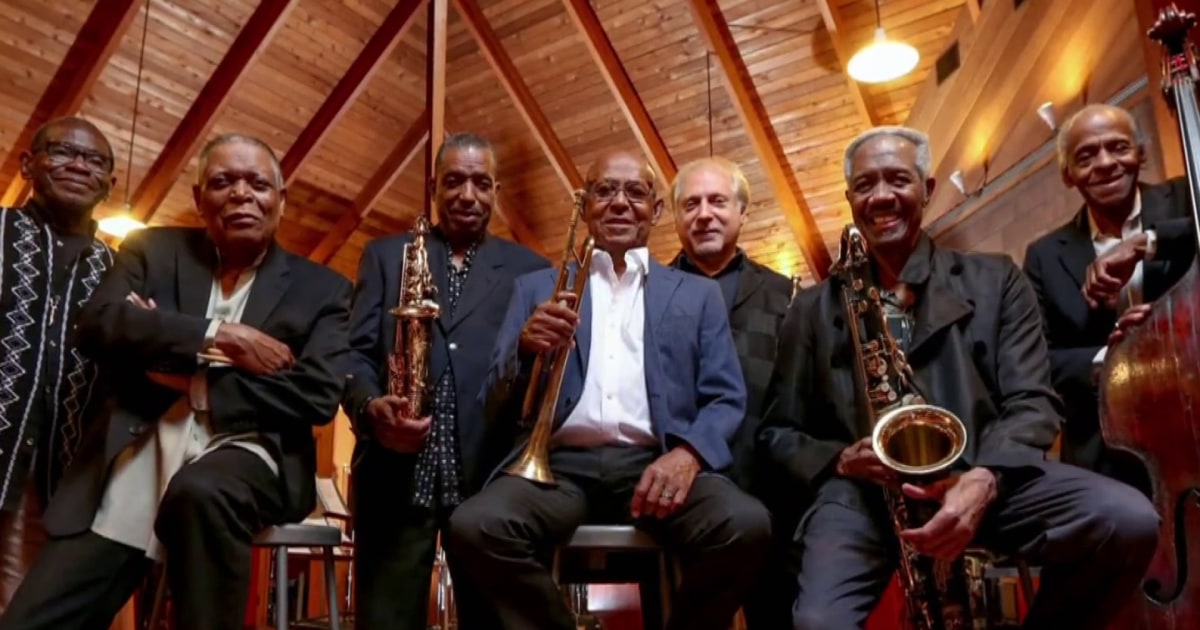
WASHINGTON — Jazz ensemble The Cookers has become the latest group of artists to pull out of performances at the John F. Kennedy Center for the Performing Arts, following a controversial decision by the center's board to rename the venue. The cancellation, announced on Wednesday, highlights growing tensions within the arts community over the proposed name change, which aims to incorporate additional honors amid debates about legacy and representation.
According to a report from NBC News, The Cookers were scheduled to perform as part of the Kennedy Center's jazz series later this month. The group, known for its hard-bop style and featuring veteran musicians like Billy Harper on tenor saxophone and Craig Handy on alto, cited the renaming controversy as the reason for their withdrawal. 'We stand for artistic integrity and cannot in good conscience perform at a venue that's undergoing such divisive changes,' said a statement from the band's management, as quoted in the NBC coverage.
The Kennedy Center, located on the banks of the Potomac River in Washington, D.C., has long been a cornerstone of American performing arts since its opening in 1971. Named after President John F. Kennedy, it hosts thousands of events annually, drawing over two million visitors. The board's vote last week to explore renaming options stems from a push to recognize contributions from underrepresented figures in U.S. history, particularly in the context of civil rights and cultural milestones.
Details of the proposed renaming remain under wraps, but sources close to the board indicate it would append the name of a prominent civil rights leader to the existing title, potentially becoming the John F. Kennedy and [Redacted] Center for the Performing Arts. This move, approved by a 12-3 vote during a closed-door meeting on October 15, has sparked backlash from traditionalists who argue it dilutes Kennedy's legacy.
Prior to The Cookers' decision, several other artists had already distanced themselves. Renowned pianist Hiromi Uehara canceled her solo recital set for November 5, stating in an interview with NPR that the renaming 'feels like an erasure of history.' Similarly, the string quartet Kronos Quartet postponed a collaborative performance with spoken-word artists, according to a press release from their agency. These cancellations have led to rescheduling headaches for the center's programming team, with at least five events now in limbo.
Supporters of the renaming argue it's a necessary step toward inclusivity. Deborah Rutter, the Kennedy Center's president, addressed the issue in a statement released Tuesday. 'The arts must evolve to reflect the full spectrum of American voices,' Rutter said. 'This renaming honors not just one era but many, ensuring the center remains a beacon for all.' Her comments were echoed by board member Elena Rodriguez, who voted in favor and told The Washington Post that the change 'corrects historical oversights without diminishing Kennedy's contributions.'
Opponents, however, see it differently. Kennedy family spokesperson [Name Redacted] issued a rare public statement criticizing the board's haste. 'John F. Kennedy's vision for the arts was unparalleled; altering his name on the center undermines that enduring tribute,' the statement read. Conservative commentator Ben Shapiro took to social media, tweeting, 'Another case of woke revisionism at taxpayer-funded institutions. The Kennedy Center should stay as is.' His post garnered over 50,000 likes within hours.
The controversy isn't isolated. Similar debates have roiled other cultural landmarks. In 2020, the San Francisco Opera House faced protests over its naming, leading to a compromise that added indigenous acknowledgments. Closer to home, the Smithsonian Institution has been reviewing exhibit labels to include more diverse perspectives, a process that drew fire from historians like Gordon Wood, who argued in a New York Times op-ed that 'such changes risk politicizing neutral spaces.'
Financial implications are mounting for the Kennedy Center. With federal funding covering about 20% of its $250 million annual budget, the rest comes from ticket sales and donations. Cancellations could cost upwards of $500,000 in lost revenue, according to an internal estimate leaked to Politico. Ticket holders for affected shows have been offered refunds or credits, but some, like D.C. resident Maria Gonzalez, expressed frustration. 'I bought tickets months ago for The Cookers; now everything's up in the air,' Gonzalez told a local reporter outside the center.
Arts advocates worry about a chilling effect on future bookings. The American Federation of Musicians, which represents many performers, issued a cautious statement. 'While we support diversity initiatives, artists should not be forced into political statements through venue decisions,' said union president Ray Hair. Meanwhile, progressive groups like the National Black Arts Alliance have rallied behind the renaming, organizing a petition that has collected over 10,000 signatures in support.
Looking back, the Kennedy Center's history is intertwined with national identity. Dedicated by President Richard Nixon just months after Kennedy's assassination, it symbolized cultural renewal during turbulent times. Over the decades, it has hosted icons from Leonard Bernstein to Aretha Franklin, with its Millennium Stage offering free daily performances. The current uproar echoes past controversies, such as the 2018 debate over honoring controversial figures in its honors program.
As the board deliberates final details, expected by year's end, pressure is building from Capitol Hill. Senator Ted Cruz (R-Texas) has called for a congressional review, tweeting that 'federal dollars shouldn't fund identity politics.' On the other side, Representative Ayanna Pressley (D-Mass.) praised the move as 'long overdue reparative justice in the arts.'
The Cookers' cancellation underscores how cultural institutions are battlegrounds for broader societal debates. Formed in 2011, the group has built a reputation for preserving jazz's revolutionary spirit, drawing from influences like John Coltrane and Freddie Hubbard. Their decision to bow out aligns with a trend where artists leverage their platforms for activism, as seen in recent boycotts of events tied to geopolitical issues.
What's next for the Kennedy Center remains uncertain. An emergency board meeting is slated for November 1, where alternatives like dual naming plaques might be discussed. In the interim, the center continues operations, with upcoming shows like the National Symphony Orchestra's fall series proceeding as planned. Director Rutter emphasized resilience in her latest update: 'Our doors remain open to dialogue and performance alike.'
This saga at the Kennedy Center reflects a nation grappling with how to honor its past while embracing its future. As artists vote with their feet, the venue's evolution will likely shape not just its identity, but the trajectory of American arts for generations to come.