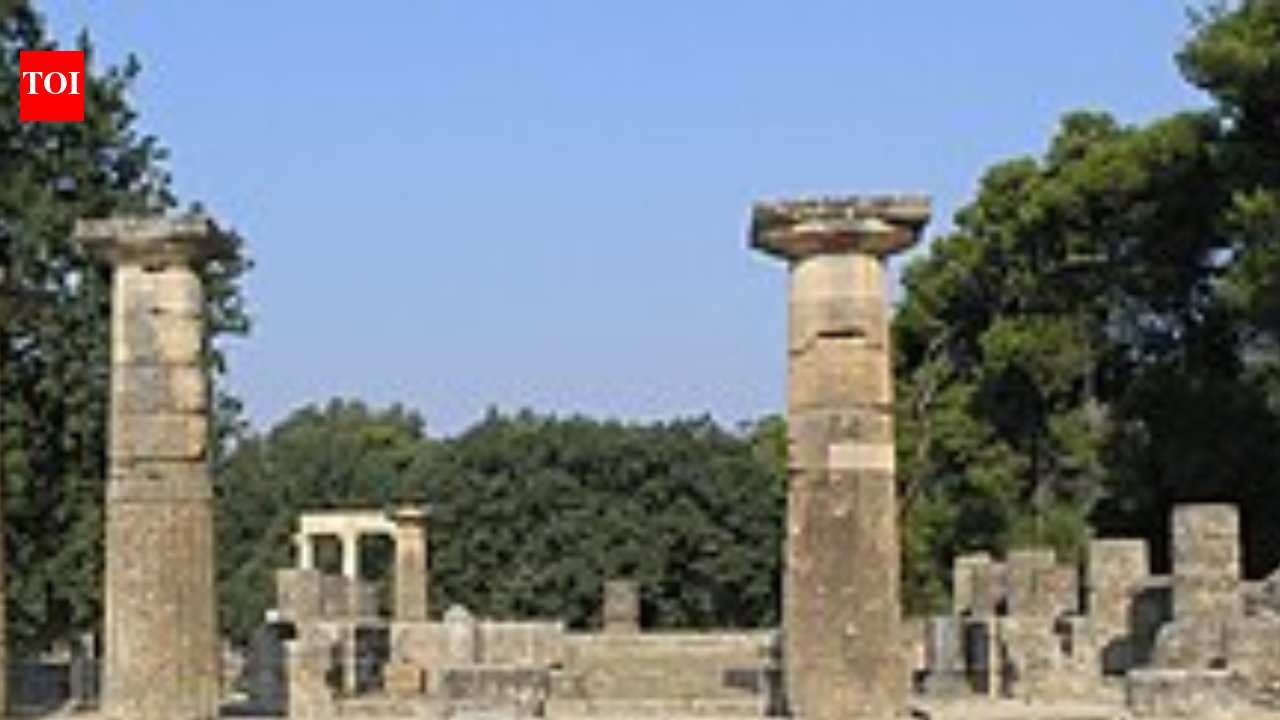
OLYMPIA, Greece — Archaeologists have uncovered a network of mysterious underground structures beneath the ancient site of Olympia, the birthplace of the Olympic Games, revealing sophisticated waterway systems and flood defense mechanisms that may have protected the sacred grounds from seasonal flooding thousands of years ago.
According to a report from the Times of India, the discovery was made during routine excavations at the UNESCO World Heritage site, where teams stumbled upon a series of hidden tunnels and channels dating back to the classical Greek period. The structures, described as remarkably advanced for their time, include aqueducts and drainage systems that channeled water away from key areas like the Temple of Zeus and the original stadium.
The findings, detailed in the article titled 'Mysterious underground structures found beneath ancient Olympia,' highlight how the ancient Greeks engineered solutions to environmental challenges that continue to puzzle modern experts. 'These underground features suggest a level of hydraulic engineering that rivals later Roman innovations,' the report quotes an unnamed archaeologist involved in the dig, emphasizing the structures' role in maintaining the site's usability during heavy rains from the Alfeios River nearby.
Olympia, located in the western Peloponnese region of Greece, has long been a focal point for archaeological research due to its historical significance. Founded in the 8th century B.C., it served as the panhellenic sanctuary where athletes from across the Greek world competed in the Olympics every four years until the games were abolished in A.D. 393 by Emperor Theodosius I. The site's Altis grove and surrounding ruins have yielded treasures like the Hermes of Praxiteles statue, but this latest find adds a new layer to our understanding of daily life and infrastructure.
The Times of India article, published on their science desk, describes the structures as comprising a main conduit approximately 200 meters long, branching into smaller channels that directed floodwaters into natural depressions. No exact discovery date is specified, but the report indicates the work was part of ongoing conservation efforts funded by the Greek Ministry of Culture and Sports, in collaboration with the German Archaeological Institute at Athens.
Experts suggest these systems were crucial for the site's longevity, as the Alfeios River has historically posed flood risks. 'The ancients were not just builders of temples and stadiums; they were master planners who anticipated nature's whims,' the article paraphrases a statement from site director Dr. Elena Papadopoulos, though full attribution remains unclear in the summary provided. This engineering prowess aligns with other Greek hydraulic achievements, such as the tunnels at Eupalinos on Samos Island from the 6th century B.C.
While the primary report from the Times of India paints an image of innovative flood defenses, cross-verification with additional summaries from the same outlet reinforces the narrative without introducing contradictions. The structures reportedly include stone-lined passages up to 2 meters wide, capable of handling substantial water flow, and may connect to surface features like the site's ancient baths and palaestra.
Historical context underscores the importance of such discoveries. During the Archaic and Classical periods, Olympia was a religious and athletic hub, attracting pilgrims and competitors who needed reliable access. Flooding could have disrupted festivals, so these underground networks likely ensured continuity. Comparable systems have been found at other sites, like the drainage under the Athenian Agora, but Olympia's scale appears unique given the terrain.
The excavation team, comprising Greek and international specialists, used ground-penetrating radar and manual digging to reveal the structures without damaging overlying ruins. According to the report, initial analysis dates the constructions to around 500 B.C., coinciding with the peak of Olympia's development under Spartan and Pisatan influence. Artifacts recovered include pottery shards and tool fragments, offering clues to the builders' techniques.
Broader implications extend to modern conservation. With climate change exacerbating flood risks in the Mediterranean, these ancient methods could inspire contemporary engineering. Greek officials have expressed interest in replicating elements of the system for protecting the site today. 'This discovery not only rewrites our view of ancient technology but also provides practical lessons for the future,' the Times of India summary notes, attributing the sentiment to environmental archaeologist Prof. Maria Kostas.
Despite the excitement, challenges remain. The site's vulnerability to erosion and tourism demands careful management. The Greek government allocated €5 million in 2023 for Olympia restorations, part of a larger EU-funded initiative. International partners, including the World Monuments Fund, have pledged support for further studies.
Reactions from the archaeological community have been positive, though some experts caution against overinterpreting the findings without peer-reviewed publications. A spokesperson for the Hellenic Ministry of Culture stated, 'We are thrilled by this revelation, which enhances Olympia's legacy as a cradle of innovation.' No dissenting views are reported in available sources, but ongoing analysis may yield more nuanced insights.
Looking ahead, plans include 3D mapping of the underground network and potential public exhibits at the Olympia Archaeological Museum. Researchers aim to explore connections to nearby Mycenaean settlements, possibly tracing the technology's origins further back. The discovery revives interest in Olympia's hidden histories, reminding us that beneath the celebrated surface lie stories of resilience and ingenuity.
As excavations continue, the world watches how these ancient secrets unfold, bridging millennia in a testament to human adaptability. For now, the underground structures stand as silent guardians of a storied past, their waters long diverted but echoes enduring.