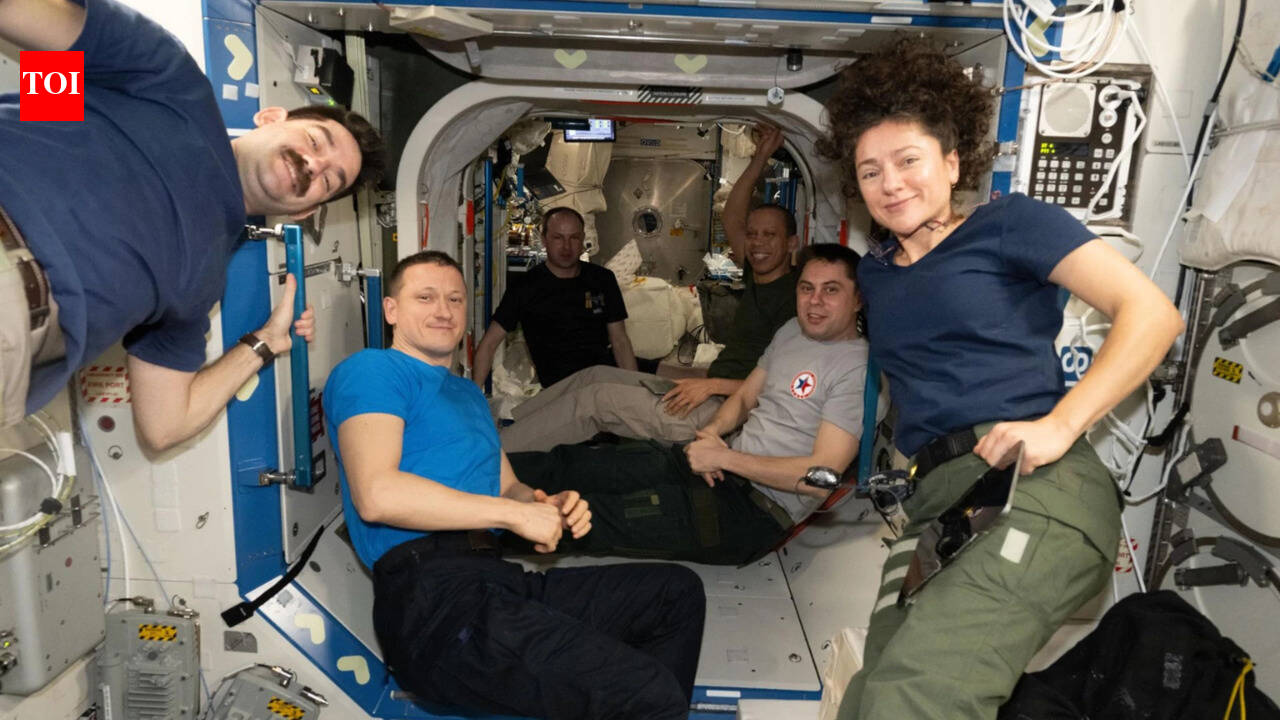
NASA astronauts aboard the International Space Station are conducting experiments focused on cancer research and cartilage treatments, with preparations for upcoming spacewalks adding to the busy schedule, according to reports from May 20, 2026.
The biomedical studies are part of ongoing efforts to understand how microgravity affects human cells and tissues. Crew members have been examining potential treatments that could benefit patients on Earth, particularly in areas like oncology and joint repair.
According to the Times of India Science Desk, the research includes blood-related experiments alongside the cancer and cartilage work. Officials have noted that these investigations take advantage of the unique environment of the ISS to accelerate findings that might otherwise take years in traditional labs.
One experiment involves exposing cancer cells to space conditions to observe changes in growth patterns and response to therapies. Researchers hope this could lead to more effective drugs back on the ground.
Cartilage studies are examining how the tissue regenerates without the pull of gravity, which could inform new approaches for treating arthritis and injuries. The data collected so far has shown promising variations compared to Earth-based controls.
Spacewalks are scheduled in the coming days, requiring the crew to balance their scientific duties with physical preparations and equipment checks. Astronauts have been training for these excursions, which will involve maintenance tasks outside the station.
"The focus remains on advancing biomedical knowledge while ensuring all operational milestones are met," a NASA spokesperson reportedly said in updates shared with international partners.
Background on the ISS program shows it has hosted hundreds of experiments since its assembly began in the late 1990s. Collaboration between agencies like NASA and international counterparts continues to drive the station's research agenda.
Some findings from similar past studies have already influenced medical protocols, though experts caution that results from space must be carefully validated through additional testing.
The current crew includes members from multiple countries, each contributing to different aspects of the research portfolio. Daily routines involve monitoring equipment, logging observations, and communicating with ground control teams.
Officials said the combination of cancer and cartilage work represents a targeted push in regenerative medicine and oncology. Data transmission to Earth-based teams happens regularly to allow real-time analysis.
As spacewalks approach, safety protocols are being reviewed to minimize any risks during the external activities. The station's orbit provides a stable platform for these dual priorities of science and exploration.
Future missions may build on these experiments, potentially expanding the scope to include more complex tissue models or longer-duration studies.